AI identification & appraisal estimate

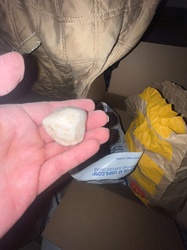
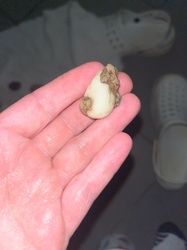
Small pale mineral or stone specimen

This name is the AI's identification of the item — it may be incorrect.

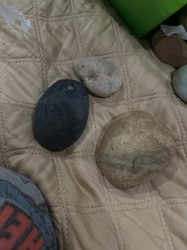
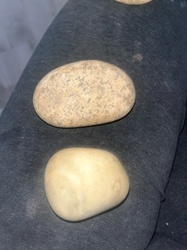
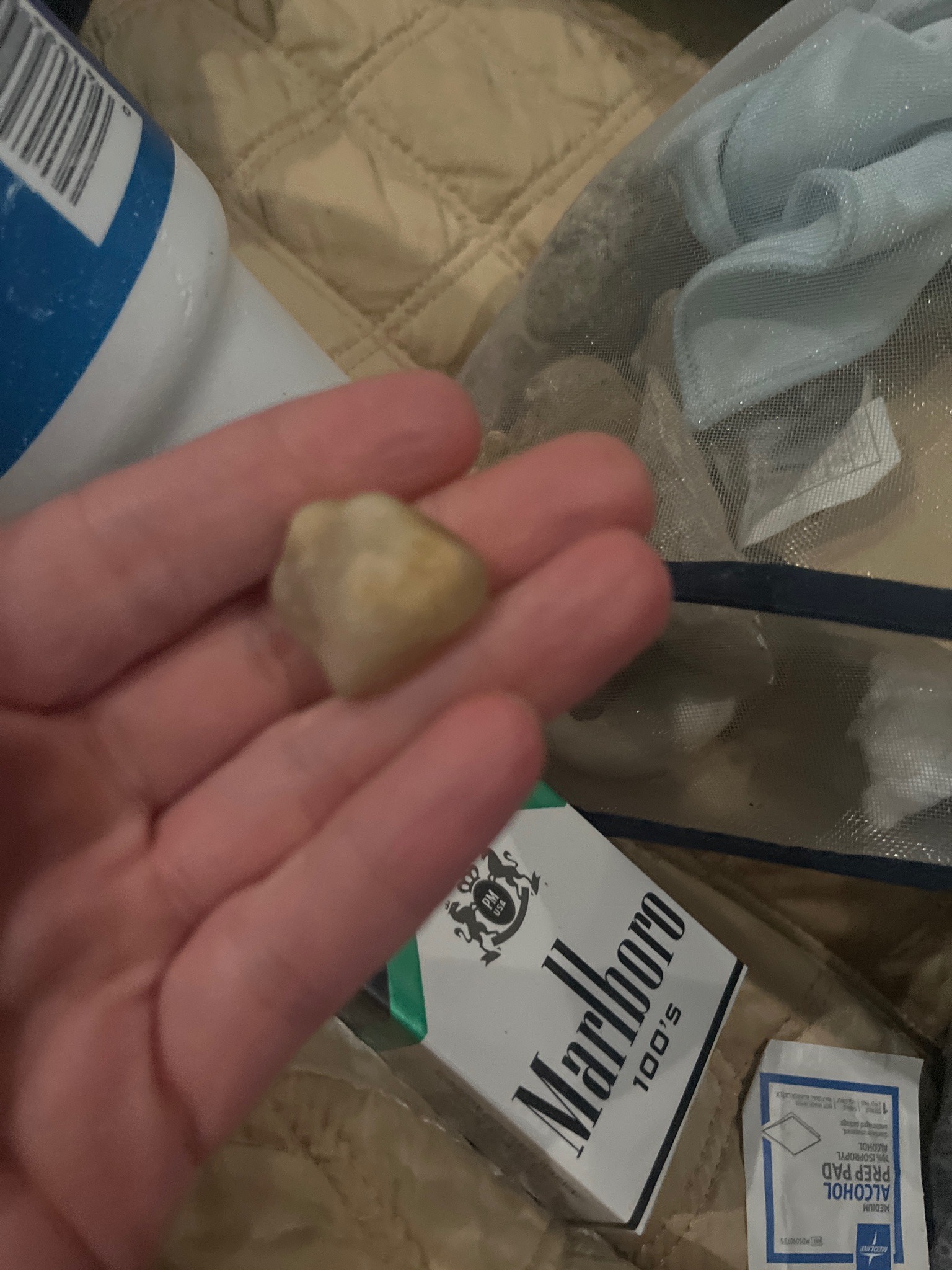
Submitted photo of Small pale mineral or stone specimen
Photo submitted by the user — not generated by AI

AI Estimated Value

Not an official valuation

$1 - $5

AI estimate as of June 12, 2026 · verify with a professional before acting

AI-Generated · Verify before acting

Everything on this page is generated by AI for informational purposes only. AI can make mistakes — the AI may misidentify items or misattribute them (artist, maker, brand, designer, origin, era). This is not an official valuation and should not be used for insurance, sale, tax, estate, legal, or lending purposes — or any decision requiring a certified appraisal. It is not an authoritative claim about any person, brand, or rights holder — do not share or rely on it as a factual statement about a third party. Always consult qualified professionals before making financial decisions.

Read the full disclaimer

AI Item Analysis

The photograph displays a small, irregularly shaped object held in a person's hand. The item appears to be a mineral or stone specimen, approximately 1.5 to 2 centimeters in length. It exhibits a pale, yellowish-cream to off-white coloration with some visible translucency, consistent with common varieties of quartz, quartzite, or weathered chalcedony. The surface texture appears matte and somewhat tumbled or naturally eroded, with softened edges and no sharp crystalline faces visible in this lighting. There are darker yellowish inclusions or staining on specific areas of the surface, which are common results of iron oxide deposition or environmental weathering in natural stones. No maker's marks, signatures, or synthetic identifiers are present, suggesting this is a natural geological find rather than a manufactured product. The object is shown alongside various household items including a cigarette packet and medical prep pads, providing scale but no additional context for its origin. Given the lack of specific crystalline structure or testing, the identification as a common quartz-series mineral is a hypothesis based purely on visual color and opacity.
AI Appraisal Report

Based on the provided photograph, I have examined a small geological specimen, approximately 1.5 to 2 centimeters in length. From what I can see, the item exhibits characteristics consistent with common quartz-series minerals, such as weathered chalcedony or quartzite. The pale, yellowish-cream coloration and matte texture suggest a natural, tumbled stone that has undergone environmental weathering, likely resulting in the visible surface staining. I cannot determine the exact mineral composition from a photo alone, as this would require physical testing for hardness, specific gravity, or refractive index. The value estimate is based on the working hypothesis that this is a common, non-gem-grade mineral specimen. In the current market, such items are widely available and typically possess nominal financial value, often found as 'pocket stones' or landscape inclusions. Because there is no evidence of a rare crystalline structure, significant transparency, or desirable facet-grade quality, the demand for this specific specimen is limited to educational or hobbyist interest. If this item were to be scientificially identified as a rarer mineral or if it possessed a unique provenance, its value might increase slightly; however, in its current state as an unrefined field find, it remains at the lowest end of the valuation scale. To provide an absolute identification, an in-person examination by a gemologist or mineralogist would be necessary. Should the item simply be a fragment of common road gravel or construction aggregate—which is possible given its appearance—it would have no commercial resale value.

Keep exploring

More minerals and stones appraisals

Get your items appraised

Instant AI-powered appraisal estimates from a photo

Browse More Appraisals