AI identification & appraisal estimate

Unprocessed mineral or stone specimen consistent with iron-rich ore

This name is the AI's identification of the item — it may be incorrect.

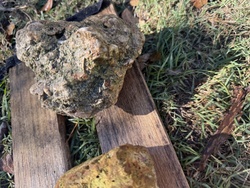
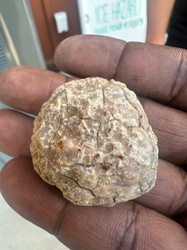
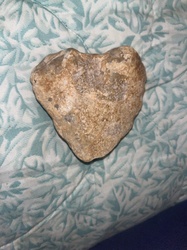
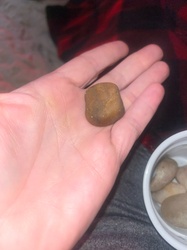
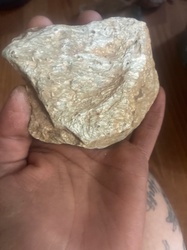
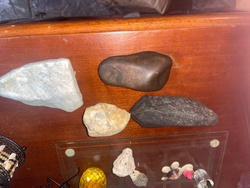
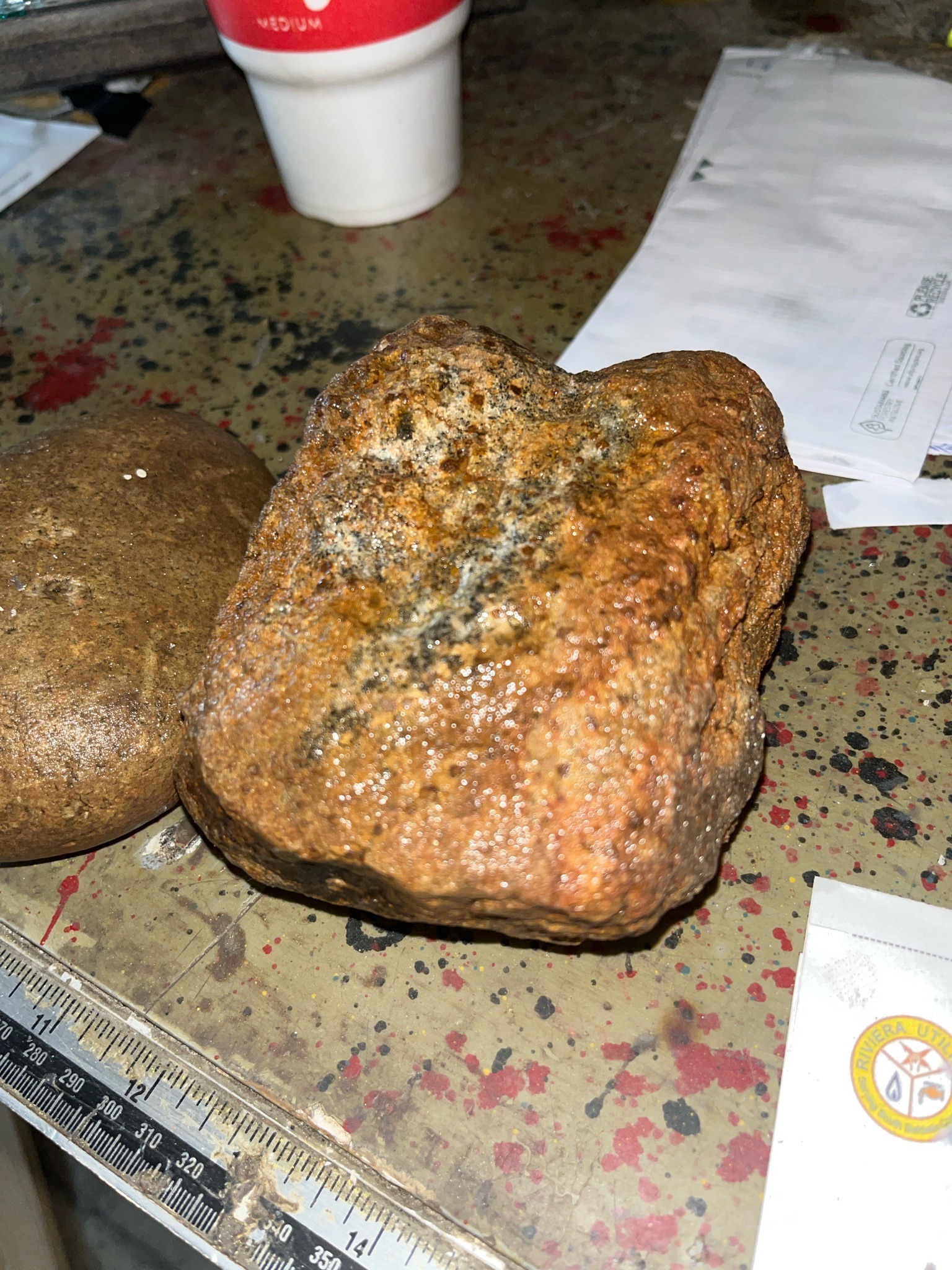
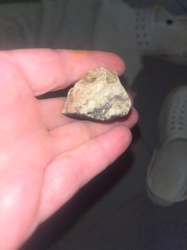
Submitted photo of Unprocessed mineral or stone specimen consistent with iron-rich ore
Photo submitted by the user — not generated by AI

AI Estimated Value

Not an official valuation

$40-$85

AI estimate as of June 13, 2026 · verify with a professional before acting

AI-Generated · Verify before acting

Everything on this page is generated by AI for informational purposes only. AI can make mistakes — the AI may misidentify items or misattribute them (artist, maker, brand, designer, origin, era). This is not an official valuation and should not be used for insurance, sale, tax, estate, legal, or lending purposes — or any decision requiring a certified appraisal. It is not an authoritative claim about any person, brand, or rights holder — do not share or rely on it as a factual statement about a third party. Always consult qualified professionals before making financial decisions.

Read the full disclaimer

AI Item Analysis

This item appears to be a large, irregular geological specimen with a rugged, multi-textured surface. The object is primarily a reddish-orange or rust-colored brown, which is stylistically consistent with the presence of iron oxides (such as hematite or limonite). There are darker, potentially metallic or carbonaceous inclusions visible in gray and black tones across the upper-left quadrant. The surface shows a granular, pitted texture with some crystalline glitter, suggesting a complex mineral composition. Its shape is roughly rectangular but weathered, lacking sharp manufactured edges. The specimen appears dense and heavy based on its size relative to the adjacent ruler. There are no visible maker's marks, signatures, or engravings, which is typical for a natural stone or raw mineral sample. The orange-brown staining appears to be a natural oxidation process rather than applied pigment. Without physical testing for magnetism, streak, or specific gravity, this identification remains a geological hypothesis. This specimen is not attributed to any specific geographic origin or mine based on the image provided.

AI Appraisal Report

Based on the provided imagery, I have examined this large geological specimen. I can observe a rugged, multi-textured surface with coloration consistent with iron-rich oxidation, though I cannot determine the exact mineralogical composition without physical testing. From what I can see, the specimen shows a granular, pitted texture and darker gray inclusions that might indicate metallic or carbonaceous content. However, I cannot verify the density, streak, or magnetic properties through a photograph, which are necessary to confirm if this is hematite, limonite, or an industrial byproduct like slag. The value estimate of $40-$85 is based on the specimen's size and its visual appeal as a natural history display piece. This range assumes the item is a natural geological sample. If the specimen were found to be common industrial slag rather than a natural mineral, the market value would likely decrease to a nominal amount ($5-$15). Conversely, if scientific testing were to suggest the specimen is part of a rare meteorite fall, the value could increase significantly by several orders of magnitude. The current market for raw mineral specimens is driven by size, coloration, and aesthetic form. To provide a more robust valuation, an in-person examination by a geologist or mineralogist would be required to perform a specific gravity test and hardness analysis. Because no provenance or geographic origin is provided, this remains a working hypothesis on the material's nature. Market demand for unattributed, raw geological samples of this type remains stable but modest among educators and amateur collectors.

Keep exploring

More geological specimens appraisals

Get your items appraised

Instant AI-powered appraisal estimates from a photo

Browse More Appraisals