AI Appraisal Estimate

AI-generated estimates · not official valuations

From the user

What was submitted

Photo and notes provided by the user — not generated by AI

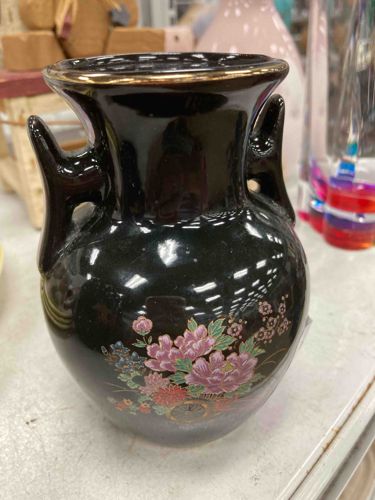
Submitted item photo
Submitted photo · June 30, 2026

User's notes

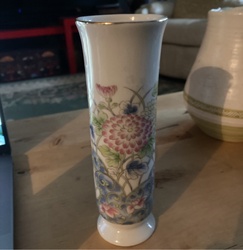
bud vase

AI analysis below

AI appraisal

AI analysis & estimate

AI-Generated · Verify before acting

Everything below is generated by AI for informational purposes only. AI can make mistakes — the AI may misidentify items or misattribute them (artist, maker, brand, designer, origin, era). This is not an official valuation and should not be used for insurance, sale, tax, estate, legal, or lending purposes — or any decision requiring a certified appraisal. It is not an authoritative claim about any person, brand, or rights holder — do not share or rely on it as a factual statement about a third party. Always consult qualified professionals before making financial decisions.

Note

This analysis also relies on unverified notes provided by the user, which may be incomplete or inaccurate and could affect the result.

Read the full disclaimer

AI Identification

·Not independently authenticated·Verify before acting

Vintage Black Ceramic Twin-Handle Bud Vase with Chinoiserie Floral Motif

Decorative Arts - Ceramics and Glassware

AI Estimated Value

·Not an official valuation·Verify before acting

$15.00 - $25.00

As of June 30, 2026

AI Item Analysis

·AI can make mistakes·Verify before acting
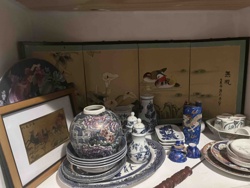
This item is a small ceramic bud vase featuring a classic amphora-inspired shape with two decorative handles attached at the neck and shoulder. The piece is finished in a high-gloss black glaze that serves as a dramatic backdrop for a multi-colored floral transfer print on the front. The motif displays pink and lavender peonies or chrysanthemums with green foliage, accented by smaller blue and orange flowers, likely in the Chinoiserie or Japanese-inspired aesthetic. The flared rim is embellished with a thin, hand-applied gold gilt band, which shows significant signs of wear and thinning due to age and handling. The body of the vase appears globular with a slightly tapered neck. Condition-wise, the surface shows visible scratches and scuffing consistent with a mid-20th-century decorative object (circa 1950s-1970s). There are noticeable dust particles and surface grime, suggesting it has been in storage or on a shelf for a long period. No major cracks or chips are immediately visible in the image, though the gold loss on the rim is a primary condition issue. These types of vases were frequently produced in Japan for the export market and often feature a 'Made in Japan' stamp on the unglazed base. The craftsmanship is typical of mass-produced mid-century decorative earthenware.
AI Appraisal Report

·AI can make mistakes·Verify before acting
I have conducted a visual examination of the vintage black ceramic twin-handle bud vase. The item displays characteristics consistent with mid-century Japanese export ware, likely dating from the 1950s to the 1970s. The high-gloss black glaze and floral transfer print suggest a mass-produced decorative piece intended for the Western market. The condition is fair to good; while I observe no major chips or structural cracks, there is significant age-related wear to the gold gilt rim and visible surface scuffing on the glaze. The current market for mid-century export ceramics of this type is saturated. These items were produced in vast quantities, making them common in estate sales and antique malls. Comparables frequently sell at the lower end of the decorative arts spectrum. The lack of a prestigious maker's mark or artist signature, combined with the condition issues regarding the gilding, limits its appeal to casual collectors rather than high-end investors. My assessment is based on the provided photographic evidence and descriptions. To reach a definitive conclusion regarding authenticity and value, an in-person examination is required to check the underside for a 'Made in Japan' or 'occupied Japan' stamp, which can slightly influence collectibility. I would also need to inspect the interior for hidden hairline fractures and use a magnifying loupe to confirm the transfer-print method versus hand-painted details. No scientific testing is recommended for an item of this market value/tier, as the cost of testing would exceed the value of the object.

Get your items appraised

Instant estimates of your treasures with AI-powered appraisals

Browse More Appraisals