AI Appraisal Estimate

AI-generated estimates · not official valuations

From the user

What was submitted

Photo and notes provided by the user — not generated by AI

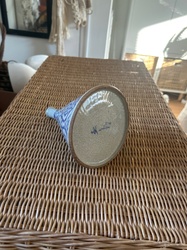
Submitted item photo
Submitted photo · May 26, 2026

User's notes

No additional notes provided.

AI analysis below

AI appraisal

AI analysis & estimate

AI-Generated · Verify before acting

Everything below is generated by AI for informational purposes only. AI can make mistakes — the AI may misidentify items or misattribute them (artist, maker, brand, designer, origin, era). This is not an official valuation and should not be used for insurance, sale, tax, estate, legal, or lending purposes — or any decision requiring a certified appraisal. It is not an authoritative claim about any person, brand, or rights holder — do not share or rely on it as a factual statement about a third party. Always consult qualified professionals before making financial decisions.

Read the full disclaimer

AI Identification

·Not independently authenticated·Verify before acting

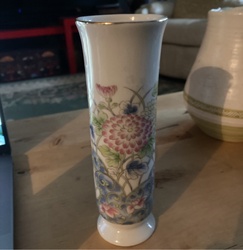
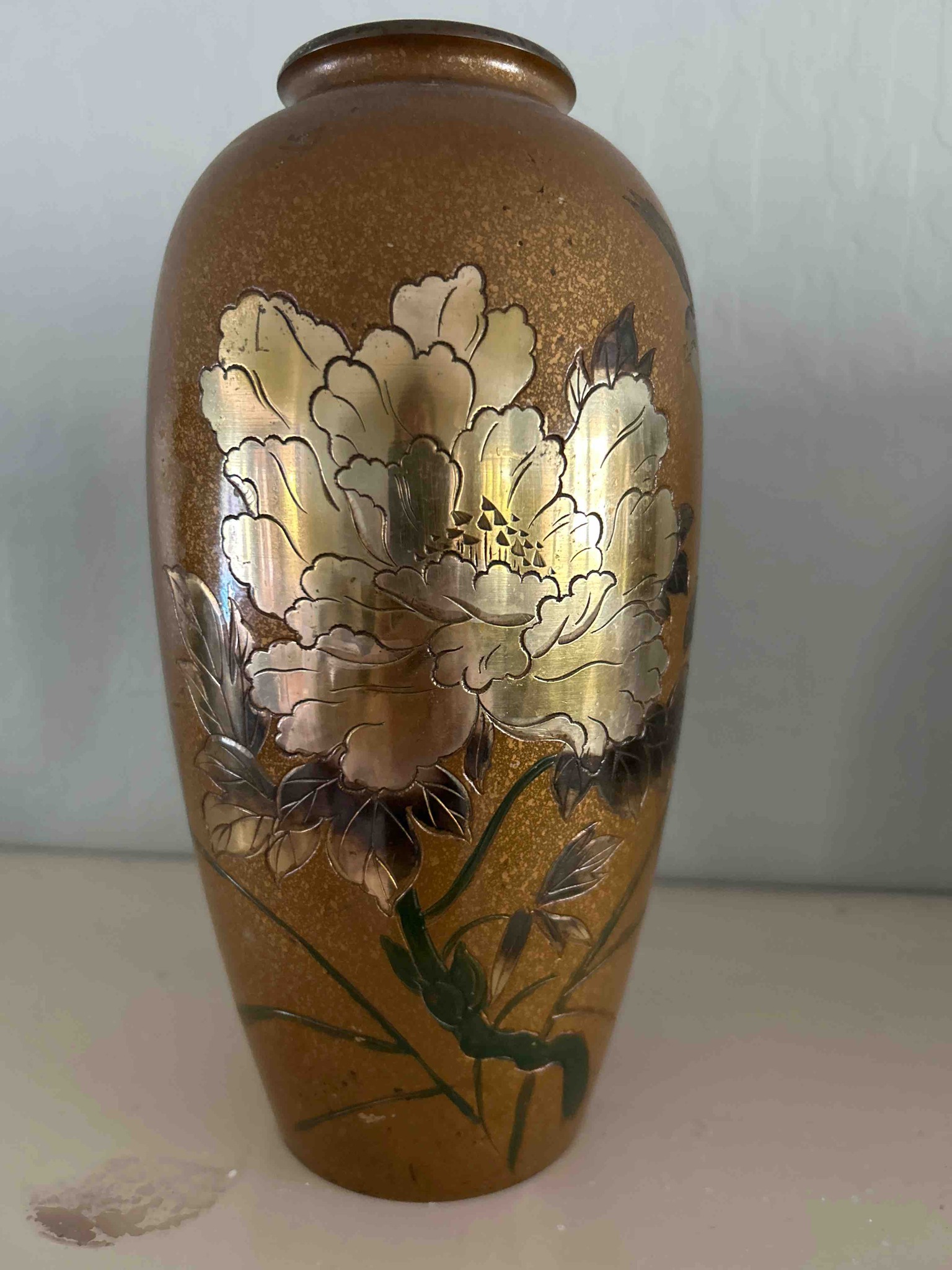
Japanese Ginbari-Style Cloisonné Enamel Peony Vase

Asian Decorative Arts / Ceramics and Glassware

AI Estimated Value

·Not an official valuation·Verify before acting

$450 - $650

As of May 26, 2026

AI Item Analysis

·AI can make mistakes·Verify before acting
This is a detailed Japanese cloisonné enamel vase, likely dating from the Meiji or Taisho era (late 19th to early 20th century). The vase features an ovoid form with a narrow mouth and a slightly flared, short neck. The background is a textured, golden-orange 'speckled' enamel finish that mimics the look of aventurine or stone. It is decorated with a prominent, large-scale peony blossom. The central flower is executed in a metallic silver finish, utilizing techniques reminiscent of ginbari (foil-backed enamel), where the lustrous silver reflects light through the translucent petals. The petals are finely outlined with gold-tone wire (cloisons). Dark green stems and stylized leaves provide a deep contrast to the bright metallic peony. The craftsmanship is of high quality, demonstrating intricate metalwork and layered enamel application. Regarding condition, there are visible surface scuffs, small pits, and minor scratches consistent with age, particularly near the shoulder and base. Some oxidation or tarnish is visible on the exposed metal rim at the mouth. The overall construction is solid, likely featuring a copper or bronze body beneath the enamel layers. The base appears steady, though it shows surface grime that should be professionally cleaned to prevent further deterioration of the finish.
AI Appraisal Report

·AI can make mistakes·Verify before acting
Upon visual examination of this Japanese cloisonné vase, I have identified it as a fine example of Ginbari enamel, likely dating to the late Meiji or early Taisho period (c. 1910). The use of the 'speckled' textured background combined with the silver-foil (Ginbari) peony indicates a high level of craftsmanship common to the Shizuo or Ando traditions, though it lacks a visible signature to confirm a specific atelier. The juxtaposition of the metallic silver petals against the autumnal ground is a classic aesthetic of the era. However, the condition presents several 'fair to good' issues: the visible pitting, surface scuffing, and oxidation on the rim significantly dampen the piece's potential value compared to a pristine example. In the current market for Asian Decorative Arts, there is a steady demand for Ginbari-style pieces, but buyers are increasingly selective, favoring signed works and immaculate surfaces. I have compared this to similar ovoid vases sold recently at auction, where unsigned examples with moderate wear typically realize mid-hundred dollar figures. The main value-driver here is the size and complexity of the central floral motif. Limitations: This appraisal is based solely on high-resolution images. I cannot definitively verify the base metal composition or detect subtle structural cracks or 'bruises' beneath the enamel without a physical inspection and UV light analysis. To provide a definitive certification of authenticity and origin, an in-person examination to check for maker's marks on the foot-rim and a review of the item's provenance/original bill of sale would be required. Professional cleaning is recommended to arrest further oxidation on the rim.

Get your items appraised

Instant estimates of your treasures with AI-powered appraisals

Browse More Appraisals