AI Appraisal Estimate

AI-generated estimates · not official valuations

From the user

What was submitted

Photo and notes provided by the user — not generated by AI

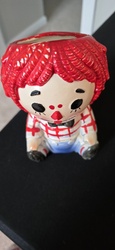
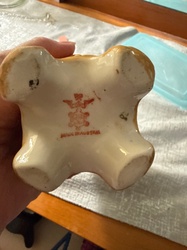
Submitted item photo
Submitted photo · July 7, 2026

User's notes

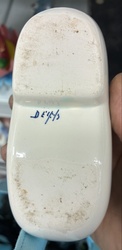
Laudel Made in Japan

AI analysis below

AI appraisal

AI analysis & estimate

AI-Generated · Verify before acting

Everything below is generated by AI for informational purposes only. AI can make mistakes — the AI may misidentify items or misattribute them (artist, maker, brand, designer, origin, era). This is not an official valuation and should not be used for insurance, sale, tax, estate, legal, or lending purposes — or any decision requiring a certified appraisal. It is not an authoritative claim about any person, brand, or rights holder — do not share or rely on it as a factual statement about a third party. Always consult qualified professionals before making financial decisions.

Note

This analysis also relies on unverified notes provided by the user, which may be incomplete or inaccurate and could affect the result.

Read the full disclaimer

AI Identification

·Not independently authenticated·Verify before acting

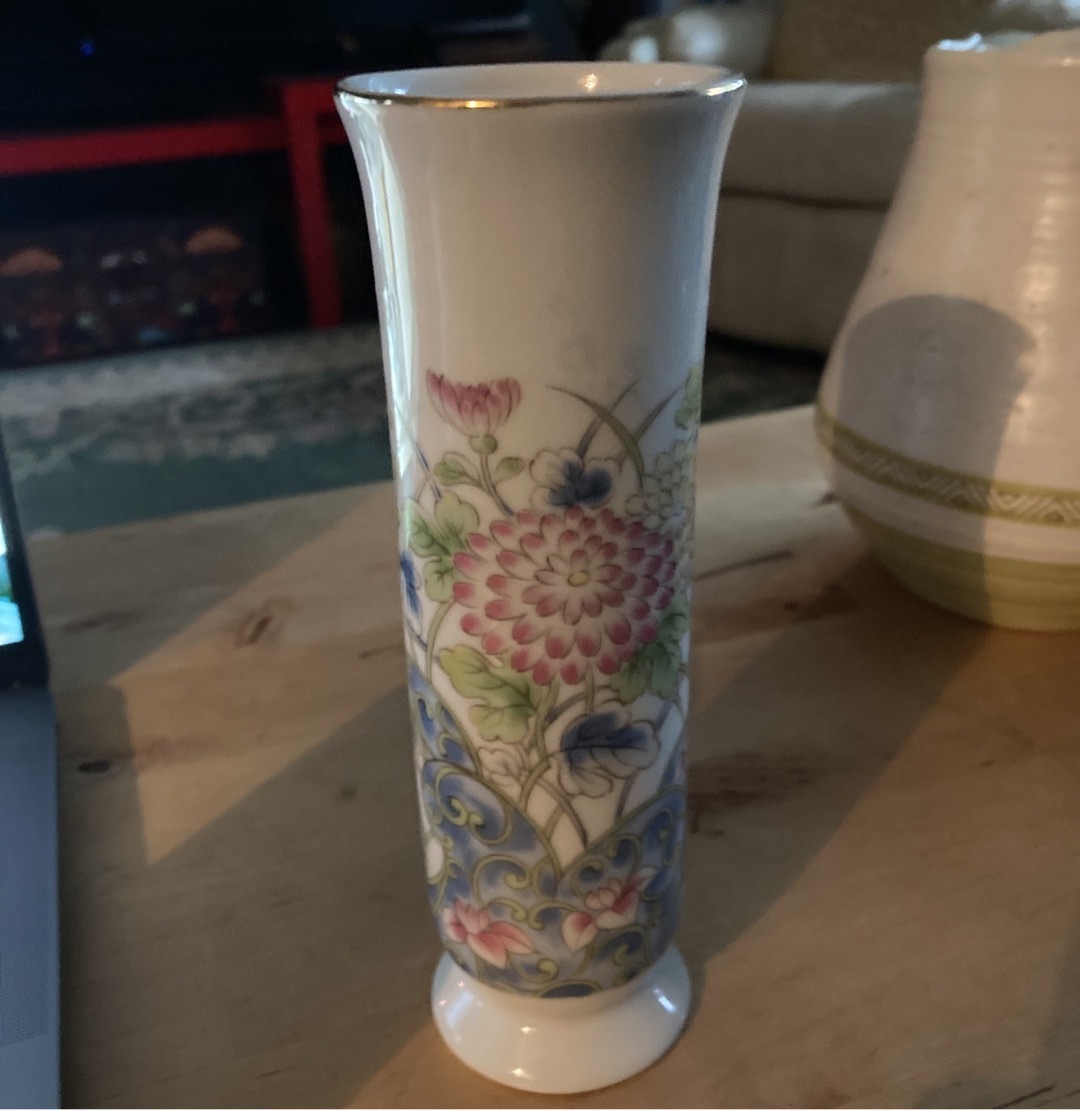
Japanese-style floral porcelain bud vase

Decorative Ceramics

AI Estimated Value

·Not an official valuation·Verify before acting

$15.00 - $35.00

As of July 7, 2026

AI Item Analysis

·AI can make mistakes·Verify before acting
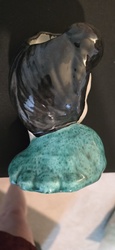
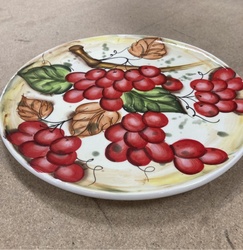
This item is a slender, cylindrical porcelain bud vase with a flared rim and a pedestal-style foot. The body features a glazed white surface decorated with polychrome floral motifs, including a prominent pink chrysanthemum and stylized scrollwork at the base in blue and gold-tone outlines. The rim appears to be finished with a thin band of gilt or gold-colored trim. The owner identifies this as a 'Laudel Made in Japan' piece; however, no maker's mark or label is visible in the provided image to verify this claim. The craftsmanship appears consistent with mid-to-late 20th-century decorative export porcelain. The floral design incorporates greens, pinks, and blues, which are stylistically consistent with Japanese 'Kutani' or similar decorative traditions intended for the international market. Condition-wise, the glaze appears intact, though there is a subtle dark spot visible on the upper porcelain body that may be a surface mark or a minor manufacturing kiln flaw. Identification is hedged as a Japanese-style piece because the base and its markings are not visible, and stylistic features alone do not provide a definitive attribution without physical inspection and verification of the manufacturer's mark.
AI Appraisal Report

·AI can make mistakes·Verify before acting
Based on my examination of the provided image, I have evaluated this slender cylindrical porcelain bud vase. From what I can see, the piece features polychrome floral decorations and a flared, gilt-trimmed rim consistent with mid-to-late 20th-century Japanese decorative exports. While the owner identifies this as a 'Laudel Made in Japan' piece, I cannot verify this claim from the photo as no maker's mark or labels are visible. I must treat this attribution as a hypothesis; a physical inspection of the base would be required to search for identifying stamps or signatures. The floral motifs and scrollwork appear to be in the style of Kutani ware intended for the international market. The value estimate assumes the owner's attribution is correct and reflects general market behavior for mass-produced Japanese export porcelain of this era. In the current secondary market, such items typically command modest prices due to high supply and niche collector demand. If the piece is found to be an unattributed or generic reproduction rather than a specific 'Laudel' export, the value would likely sit at the lower end of the provided range, perhaps under $10. Conversely, if it were an earlier, hand-painted piece from a recognized kiln, the value could increase. To improve the accuracy of this estimate, an in-person examination would be necessary to assess the glaze for age-related crazing and to verify the origin via the bottom mark. Factors such as the visible dark spot on the body, which may be a kiln flaw, also slightly temper the valuation. Without provenance documentation or a visible hallmark, this remains an estimate for a Japanese-style decorative ceramic.

Get your items appraised

Instant estimates of your treasures with AI-powered appraisals

Browse More Appraisals