AI identification & appraisal estimate

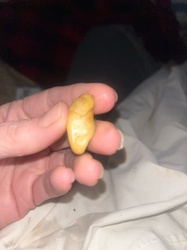
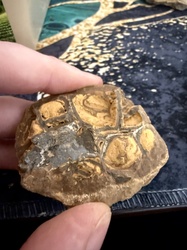
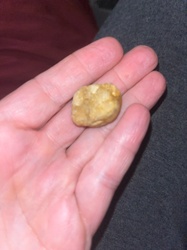
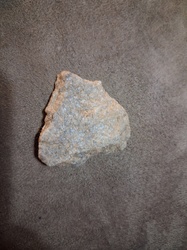
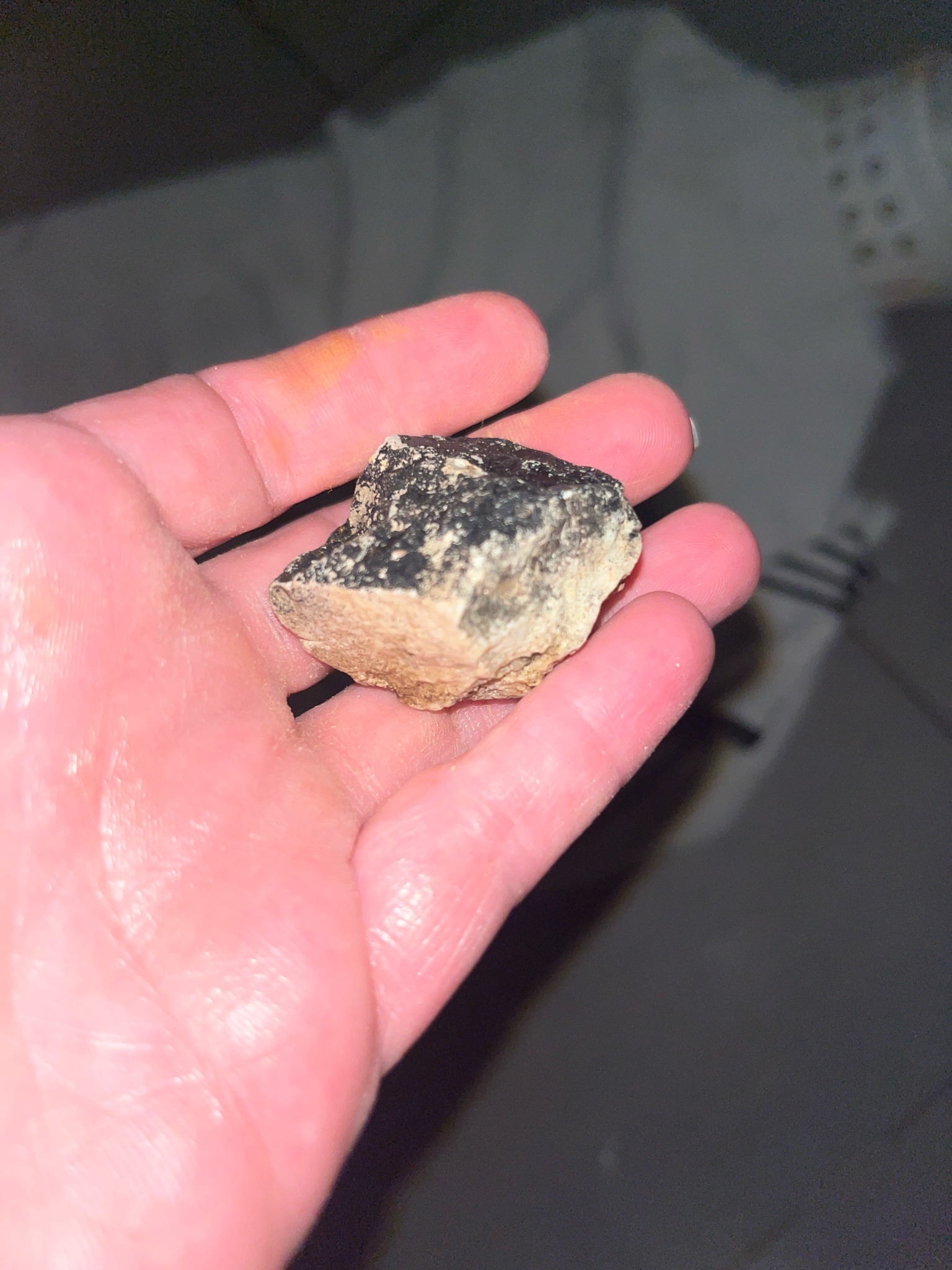
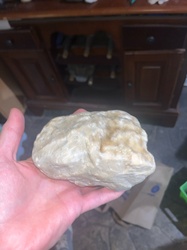
Small mineral specimen with dark crust

Submitted photo of Small mineral specimen with dark crust
Photo submitted by the user — not generated by AI

AI Estimated Value

Not an official valuation

$10 - $35

AI estimate as of July 1, 2026 · verify with a professional before acting

AI-Generated · Verify before acting

Everything on this page is generated by AI for informational purposes only. AI can make mistakes — the AI may misidentify items or misattribute them (artist, maker, brand, designer, origin, era). This is not an official valuation and should not be used for insurance, sale, tax, estate, legal, or lending purposes — or any decision requiring a certified appraisal. It is not an authoritative claim about any person, brand, or rights holder — do not share or rely on it as a factual statement about a third party. Always consult qualified professionals before making financial decisions.

Read the full disclaimer

AI Item Analysis

This item appears to be a small mineral specimen, approximately 3 to 4 centimeters in length, held in a human hand for scale. It features a dual-toned appearance: one side displays a dark, porous, and somewhat vesicular black or charcoal-colored surface that is stylistically consistent with a fusion crust often found on meteorites or volcanic basalt. The reverse and interior portions reveal a lighter, tan-to-beige stony matrix with a fine-grained, crystalline, or silicate-like texture. There are no visible maker's marks, labels, or identifying stamps on the object. The specimen shows signs of natural wear, including minor chipping and a granular texture on the lighter surfaces, which may indicate recent fractures. The dark coating appears somewhat weathered or abraded in certain sections. While the visual characteristics are consistent with certain types of chondrite specimens or indigenous terrestrial rock such as weathered basalt, an identification cannot be reached through a photograph alone. Determination of its origin would require physical testing for density, magnetic properties, and mineralogical composition to distinguish between geological and celestial origins.
AI Appraisal Report

Based on the provided imagery, I have examined this small mineral specimen, which exhibits a dual-toned morphology consistent with a weathered terrestrial rock or a potential chondrite-type meteorite. I cannot determine the exact mineralogical composition or origin from a photograph alone; such a determination would require physical testing for specific gravity, magnetic susceptibility, and nickel content. The presence of a dark, porous crust suggests either a fusion crust formed during atmospheric entry or a secondary weathering coat common in terrestrial basalt. My estimate reflects the value of the specimen as an unidentified geological sample or a common stony meteorite fragment of its size. If the specimen were to be scientifically tested and identified as a rare meteorite variety, the value would likely increase significantly, potentially into the hundreds of dollars. Conversely, if identified as an common indigenous terrestrial rock such as basalt or slag, the value would be negligible, likely under $10. The current market for unidentified stony specimens is modest, with demand driven primarily by collectors of geological curiosities. To provide a more robust valuation, I would recommend an in-person examination by a specialist and potentially a lab-grade thin-section analysis to confirm its origin. Given the current lack of provenance and laboratory classification, the value remains speculative and sits within the range for unclassified stones of this size and appearance.

Keep exploring

More rocks and minerals appraisals

Get your items appraised

Instant AI-powered appraisal estimates from a photo

Browse More Appraisals