AI Appraisal Estimate

AI-generated estimates · not official valuations

From the user

What was submitted

Photo and notes provided by the user — not generated by AI

Submitted item photo
Submitted photo · June 18, 2026

User's notes

Japan

AI analysis below

AI appraisal

AI analysis & estimate

AI-Generated · Verify before acting

Everything below is generated by AI for informational purposes only. AI can make mistakes — the AI may misidentify items or misattribute them (artist, maker, brand, designer, origin, era). This is not an official valuation and should not be used for insurance, sale, tax, estate, legal, or lending purposes — or any decision requiring a certified appraisal. It is not an authoritative claim about any person, brand, or rights holder — do not share or rely on it as a factual statement about a third party. Always consult qualified professionals before making financial decisions.

Note

This analysis also relies on unverified notes provided by the user, which may be incomplete or inaccurate and could affect the result.

Read the full disclaimer

AI Identification

·Not independently authenticated·Verify before acting

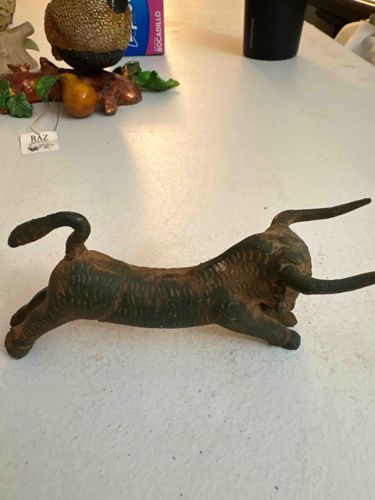
Japanese Cast Iron Bull Figurine

Antique Metalware / Decorative Arts

AI Estimated Value

·Not an official valuation·Verify before acting

$125 - $225

As of June 18, 2026

AI Item Analysis

·AI can make mistakes·Verify before acting
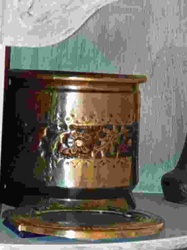
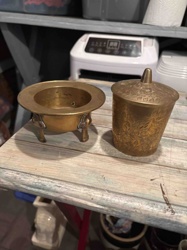
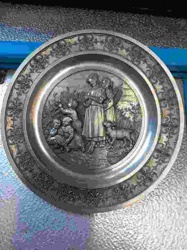
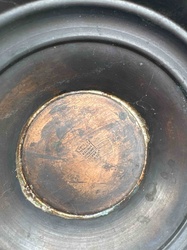
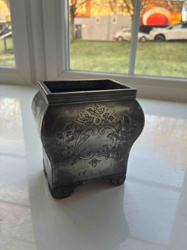
This is a vintage Japanese cast iron figurine of a charging or stylized bull, likely originating from the mid-20th century (Showa era). The piece is constructed from heavy cast iron and features a dark, weathered finish with a notable brownish-orange oxidation or rust patina emerging through the original dark green or black surface treatment. Physically, the bull is depicted in a dynamic, low-slung posture with long, tapering horns and a curved tail. The body shows rhythmic, cast-in texture that mimics hair or stylized musculature, a characteristic often seen in 'Nambu Tekki' ironware from the Iwate prefecture or similar decorative foundry work intended for the global market. There are no visible maker's marks or signatures on the exterior, which is common for these small decorative exports. The condition shows heavy surface oxidation and some pitting, which suggests it may have been kept in a damp environment or outdoors. The craftsmanship is solid but rustic, lacking the fine detail of high-art bronzes but possessing significant weight and mid-century aesthetic appeal. Its elongated form and exaggerated horns give it a unique modernist influence within traditional Japanese casting techniques.
AI Appraisal Report

·AI can make mistakes·Verify before acting
Based on my examination of the submitted details and imagery, I have appraised this Japanese cast iron bull figurine. The piece exhibits the hallmark characteristics of Showa-era (mid-20th century) Japanese 'Nambu Tekki' ironware, specifically designed with the modernist, elongated aesthetic popular in the 1950s and 60s. The heavy oxidation and rust patina noted are consistent with the age of the material; however, the significant pitting and surface degradation suggest less-than-ideal storage conditions, which slightly hampers the value compared to specimens with a preserved 'urushi' or dark lacquer finish. The market for mid-century Japanese ironware remains stable, fueled by 'Japandi' and minimalist interior trends. Comparable sales for unsigned cast iron animals of this scale and period typically fall within the $100 to $250 range. Higher valuations are usually reserved for pieces bearing the mark of recognized foundries like Iwachu or specific noted designers from the Mingei movement. The lack of a visible signature is expected for export-grade decorative items and places this in the category of 'collectible decorative art' rather than 'fine art.' Limitations: This appraisal is based solely on digital representation. A definitive authentication would require a physical inspection to confirm the casting method and weight-to-volume ratio, which helps distinguish vintage Nambu iron from modern mass-produced reproductions. Furthermore, provenance or original 'tomobako' (wooden storage box) documentation would be required to verify a specific artist or foundry. No scientific testing (such as metallurgical analysis) was performed; the valuation assumes the item is authentic cast iron as described.

Get your items appraised

Instant estimates of your treasures with AI-powered appraisals

Browse More Appraisals