AI Appraisal Estimate

AI-generated estimates · not official valuations

From the user

What was submitted

Photo and notes provided by the user — not generated by AI

Submitted item photo
Submitted photo · June 17, 2026

User's notes

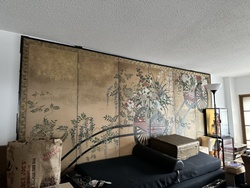
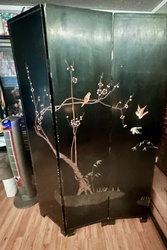
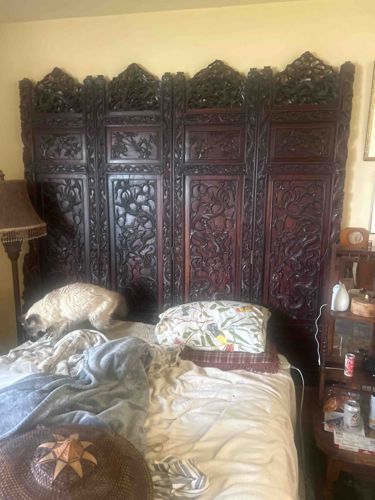
Oriental 4panel screen 6’ tall

AI analysis below

AI appraisal

AI analysis & estimate

AI-Generated · Verify before acting

Everything below is generated by AI for informational purposes only. AI can make mistakes — the AI may misidentify items or misattribute them (artist, maker, brand, designer, origin, era). This is not an official valuation and should not be used for insurance, sale, tax, estate, legal, or lending purposes — or any decision requiring a certified appraisal. It is not an authoritative claim about any person, brand, or rights holder — do not share or rely on it as a factual statement about a third party. Always consult qualified professionals before making financial decisions.

Note

This analysis also relies on unverified notes provided by the user, which may be incomplete or inaccurate and could affect the result.

Read the full disclaimer

AI Identification

·Not independently authenticated·Verify before acting

Chinese Hand-Carved Rosewood Four-Panel Folding Screen

Antique Furniture - Asian Decorative Arts

AI Estimated Value

·Not an official valuation·Verify before acting

$4,500 - $6,500

As of June 17, 2026

AI Item Analysis

·AI can make mistakes·Verify before acting
This is an impressive, heavily carved four-panel folding floor screen standing approximately 72 inches (6 feet) tall. Crafted from a dense, dark-grained hardwood consistent with Rosewood (Hongmu), the screen features a deep reddish-brown finish with a lustrous patina. Each of the four panels is divided into multiple registers featuring high-relief and pierced openwork carvings. The top 'crown' of each panel is finished with a pierced, arched pediment featuring swirling dragon or phoenix motifs. The central and lower registers are intricately articulated with traditional Chinese iconography, including vigorous serpentine five-clawed dragons amidst stylized clouds and floral elements. The vertical stiles are also fully carved with vine and leaf motifs, demonstrating a high level of craftsmanship. The panels are joined by metal barrel hinges, allowing for versatile folding configurations. While the overall structure appears robust, common condition issues for screens of this age include minor shrinkage cracks in the wood panels due to humidity changes, light surface abrasions, and accumulated dust within the deep carving crevices. The style is characteristic of late 19th to early 20th-century Chinese export furniture, reflecting the opulent Qing Dynasty aesthetic.
AI Appraisal Report

·AI can make mistakes·Verify before acting
I have carefully examined the provided images and descriptions of this four-panel Rosewood (Hongmu) floor screen. Standing at 72 inches, this is an exemplary piece of late Qing to early Republic era export furniture. The high-relief, pierced openwork featuring five-clawed dragons and phoenixes indicates a high level of artisanal labor. The deep reddish-brown patina and the density of the grain suggest authentic Hongmu, a wood highly prized in the Asian decorative arts market. Condition-wise, the visible shrinkage cracks and surface abrasions are consistent with the age of the wood and do not significantly detract from the value, though they reflect a need for climate control. Current market demand for large-scale Chinese furniture remains strong, particularly for pieces exhibiting 'Imperial' motifs such as the five-clawed dragon. Comparables at auction for similar four-panel screens in carved rosewood typically realize between $4,000 and $7,000 depending on the depth of the carving and the integrity of the joinery. However, a definitive valuation and authentication are limited by the digital nature of this inspection. From images alone, I cannot verify if there are modern synthetic resins used in the finish or determine the exact weight, which confirms wood density. To provide a full authentication, an in-person examination is required to check for hidden repairs, verify the age of the metal hinges, and perform a micro-wood analysis if necessary. Provenance documentation, such as original purchase receipts or family records from the early 20th century, would significantly bolster the appraisal value toward the higher end of the range.

Get your items appraised

Instant estimates of your treasures with AI-powered appraisals

Browse More Appraisals