AI Appraisal Estimate

AI-generated estimates · not official valuations

From the user

What was submitted

Photo and notes provided by the user — not generated by AI

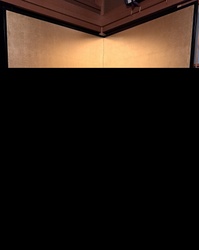
Submitted item photo
Submitted photo · May 25, 2026

User's notes

No additional notes provided.

AI analysis below

AI appraisal

AI analysis & estimate

AI-Generated · Verify before acting

Everything below is generated by AI for informational purposes only. AI can make mistakes — the AI may misidentify items or misattribute them (artist, maker, brand, designer, origin, era). This is not an official valuation and should not be used for insurance, sale, tax, estate, legal, or lending purposes — or any decision requiring a certified appraisal. It is not an authoritative claim about any person, brand, or rights holder — do not share or rely on it as a factual statement about a third party. Always consult qualified professionals before making financial decisions.

Read the full disclaimer

AI Identification

·Not independently authenticated·Verify before acting

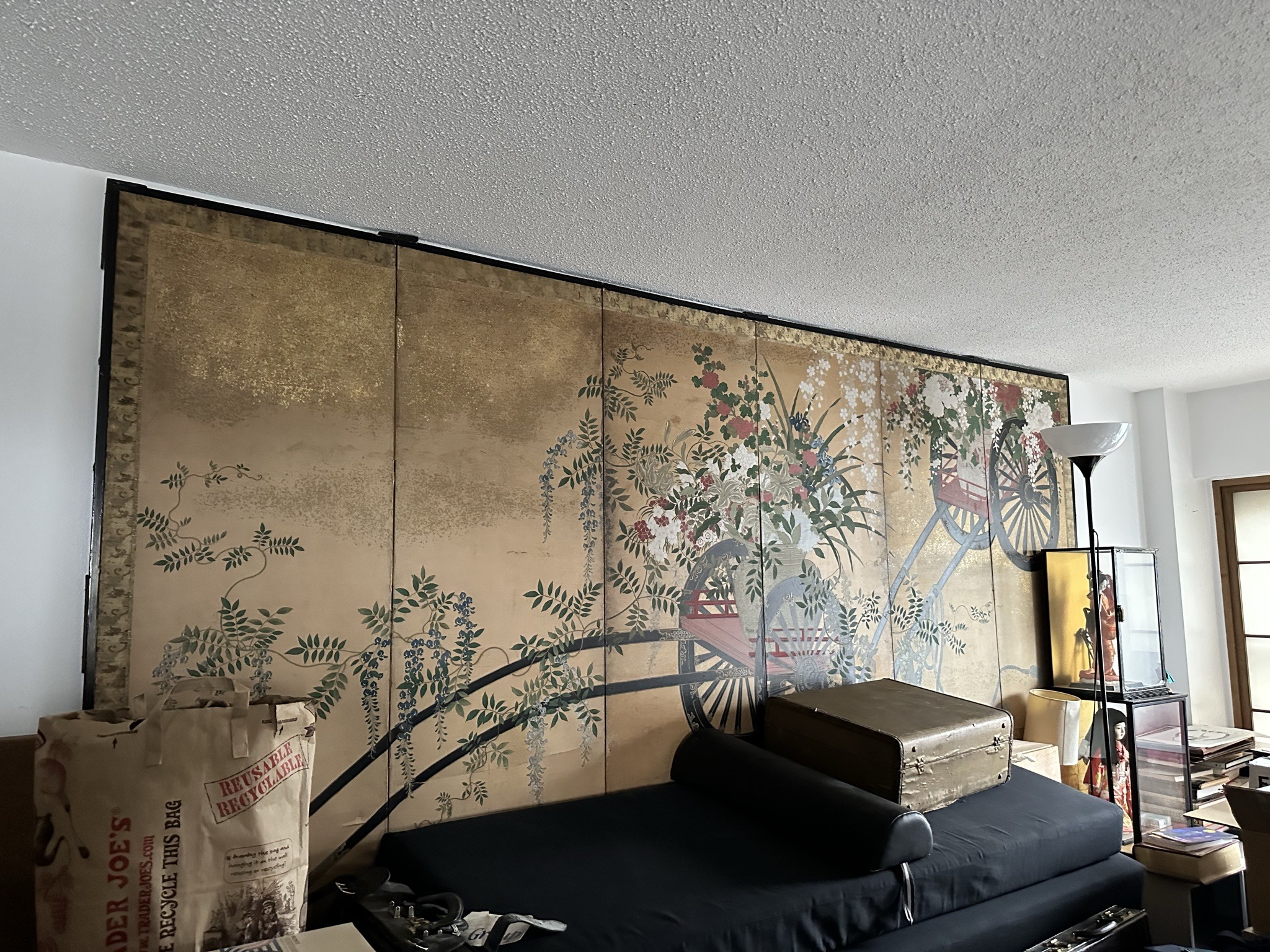
Large six-panel folding screen in the Japanese Byobu style

Furniture and Decorative Arts

AI Estimated Value

·Not an official valuation·Verify before acting

$1,500 - $3,500

As of May 25, 2026

AI Item Analysis

·AI can make mistakes·Verify before acting
This is a large, wall-mounted six-panel folding screen that appears consistent with the Japanese Byobu tradition. The artwork is characterized by a gold-leaf or 'kinpaku' style background that features heavy mottling and tonal variation, suggesting an aged or antiqued aesthetic. The central motif depicts a 'Hanaguruma' (flower carriage) scene, featuring two wooden carts laden with vibrant floral arrangements including what appear to be peonies, cherry blossoms, and trailing wisteria vines. The composition uses bold, mineral-style pigments with delicate linework for the stems and leaves. Stylistically, the piece shares characteristics with the Rinpa school or Edo-period decorative arts, though it could be a 20th-century revival or high-quality decorative piece. The construction consists of interconnected vertical panels with a dark lacquered or painted border. Visible condition issues include potential surface wear, darkening of the metallic background, and some vertical creasing or slight warping typical of paper-on-frame construction. No artist signature or seal is clearly legible in the provided image, so a precise attribution to a specific workshop or era is not possible without physical inspection. The craftsmanship appears significant, with complex layering of pigments and metallic leaf effects that create a sense of depth and traditional elegance.
AI Appraisal Report

·AI can make mistakes·Verify before acting
I have examined the digital image of this six-panel Japanese Byobu style folding screen featuring a Hanaguruma motif. Based on what I can see, the screen exhibits characteristics reflective of the Rinpa school tradition, including the application of metallic leaf and mineral pigments. However, without a physical inspection, I cannot determine if the background is high-quality aged gold leaf or a later 20th-century metallic composition. I cannot verify the specific age of the pigments or the structural integrity of the internal lattice from a photo alone. The provided estimate assumes the piece is a high-quality mid-to-late Edo style decorative screen. The market for Japanese screens is currently driven by both interior design appeal and historical significance. If this were to be identified as an earlier 19th-century work by a recognized workshop, the value could significantly exceed this range. Conversely, if physical inspection reveals it to be a mass-produced 20th-century reproduction using synthetic materials, the value would likely fall between $400 and $800. Visible surface wear and darkening to the leaf suggest some age, but atmospheric conditions can also mimic this effect. To confirm the screen's period and origin, an in-person examination by a specialist in East Asian art would be required to analyze the paper fiber, pigment composition, and hardware. A search for a hidden artist's seal or documentation of provenance would also be essential for a more precise valuation. The current estimate reflects the decorative value and craftsmanship apparent in the composition under the assumption of 19th or early 20th-century manufacture.

Get your items appraised

Instant estimates of your treasures with AI-powered appraisals

Browse More Appraisals