AI identification & appraisal estimate

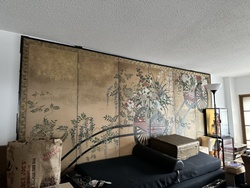
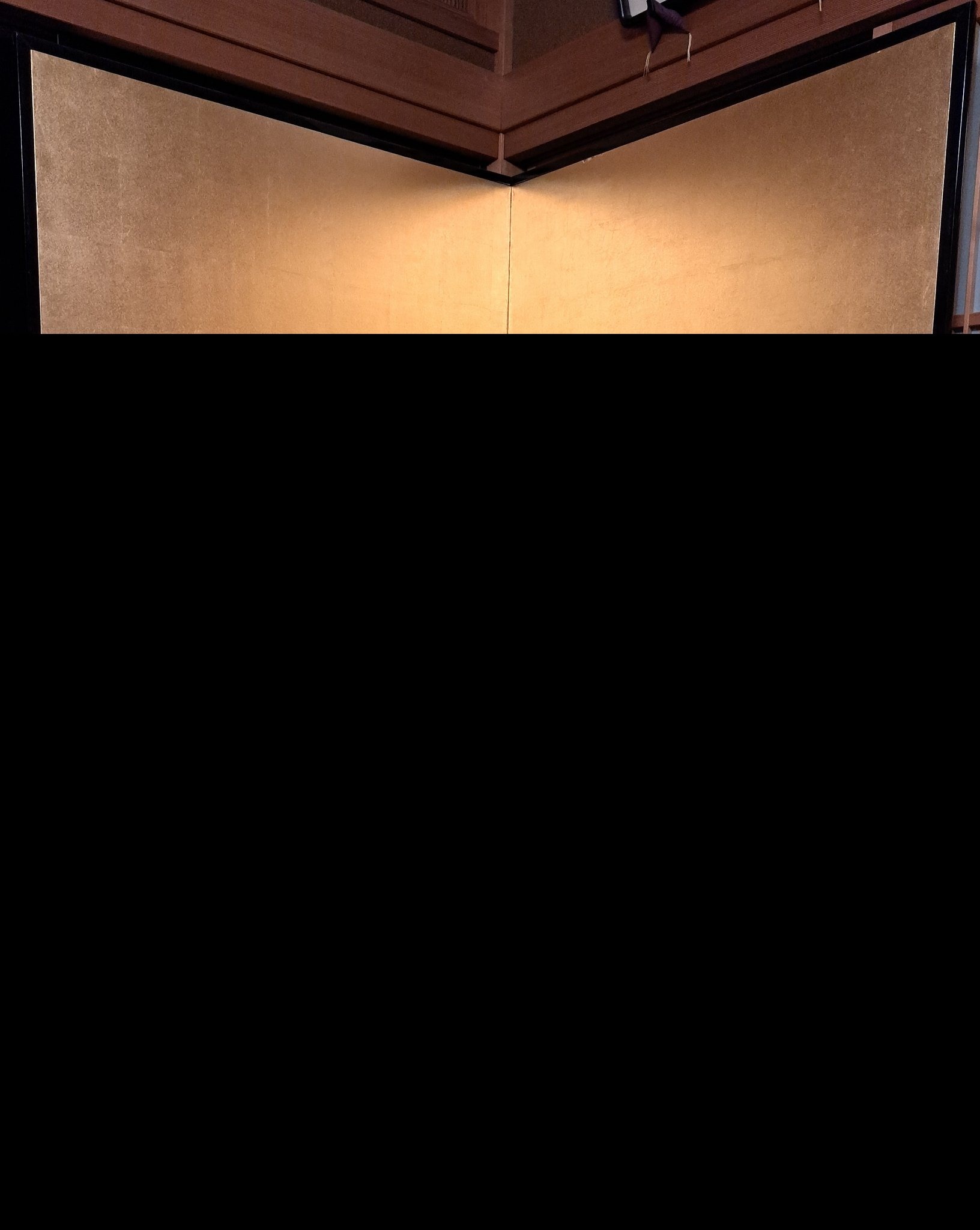
Japanese-style folding screen with gold-toned finish

Submitted photo of Japanese-style folding screen with gold-toned finish
Photo submitted by the user — not generated by AI

AI Estimated Value

Not an official valuation

$400 - $800

AI estimate as of May 21, 2026 · verify with a professional before acting

AI-Generated · Verify before acting

Everything on this page is generated by AI for informational purposes only. AI can make mistakes — the AI may misidentify items or misattribute them (artist, maker, brand, designer, origin, era). This is not an official valuation and should not be used for insurance, sale, tax, estate, legal, or lending purposes — or any decision requiring a certified appraisal. It is not an authoritative claim about any person, brand, or rights holder — do not share or rely on it as a factual statement about a third party. Always consult qualified professionals before making financial decisions.

Read the full disclaimer

AI Item Analysis

This item appears to be a multi-panel folding screen, consistent with the style of a Japanese byobu. The visible upper portion features two panels joined at a hinge, displaying a textured surface with a warm, metallic gold-colored finish that is stylistically consistent with gold leaf or metallic-pigmented paper. The panels are encased in a thin, dark-colored frame, possibly lacquered wood, which provides a sharp visual contrast to the reflective interior surface. The texture of the gold surface appears slightly irregular, suggesting a hand-applied finish rather than a mechanical print. No signatures, seals, or maker's marks are visible in the provided image, which prevents any specific attribution to an artist or workshop. The presence of wood trim and a purple silk cord in the background suggests the screen is positioned in an interior space designed with traditional East Asian architectural elements. Regarding condition, the visible surfaces appear well-maintained, though the lighting creates highlights that may obscure minor surface abrasions or foxing. The absence of visible hardware beyond the simple frame is consistent with traditional construction techniques used in mid-to-late 20th-century decorative screens or earlier antique examples. Without physical inspection of the hinges, core material, and reverse side, the precise age and composition remain unverified.
AI Appraisal Report

Based on the image provided, the item appears to be a two-panel folding screen, or byobu, featuring a textured gold-toned finish. I can observe a dark-colored frame and a surface suggesting hand-applied metallic leaf or pigmented paper, though I cannot verify from a photo whether the material is genuine gold leaf or a synthetic substitute. The lack of visible signatures or seals suggests this may be a decorative piece rather than an attributed work by a known master. The value estimate of $400 - $800 is based on the assumption that this is a high-quality mid-to-late 20th-century decorative screen in good condition. I cannot determine the core material or the age of the hinges without a physical inspection; if the core is made of traditional layered paper rather than modern wood-pulp board, the value might lean toward the higher end of the range. The market for Japanese-style decorative arts remains stable, with demand driven by interior design trends. However, this estimate assumes the item is an unauthenticated decorative object. If physical inspection and provenance documentation were to suggest a period antique origin (Edo or Meiji periods), the value could increase significantly. Conversely, should the item be found to be a modern mass-produced reproduction with synthetic finishes, the value would likely fall below $200. To confirm its status, an in-person examination of the joinery and a scientific test of the metallic surface would be required. My appraisal reflects the item's current standing as a high-quality decorative screen of undetermined age and authorship, typical of pieces found in the gallery and secondary markets for East Asian furnishings and decor. The final value would depend entirely on the confirmation of materials and construction methods through physical handling. This report does not assert the screen is an antique or of a specific origin but treats it as a hypothetical period-style piece for valuation purposes.

Keep exploring

More furniture and decorative arts appraisals

Get your items appraised

Instant AI-powered appraisal estimates from a photo

Browse More Appraisals