AI Appraisal Estimate

AI-generated estimates · not official valuations

From the user

What was submitted

Photo and notes provided by the user — not generated by AI

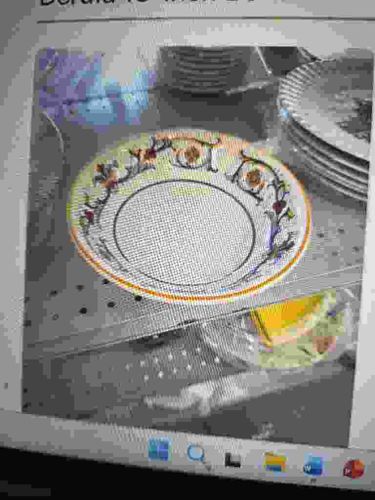
Submitted item photo
Submitted photo · June 10, 2026

User's notes

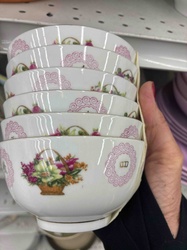
this bowl is made in Italy

AI analysis below

AI appraisal

AI analysis & estimate

AI-Generated · Verify before acting

Everything below is generated by AI for informational purposes only. AI can make mistakes — the AI may misidentify items or misattribute them (artist, maker, brand, designer, origin, era). This is not an official valuation and should not be used for insurance, sale, tax, estate, legal, or lending purposes — or any decision requiring a certified appraisal. It is not an authoritative claim about any person, brand, or rights holder — do not share or rely on it as a factual statement about a third party. Always consult qualified professionals before making financial decisions.

Note

This analysis also relies on unverified notes provided by the user, which may be incomplete or inaccurate and could affect the result.

Read the full disclaimer

AI Identification

·Not independently authenticated·Verify before acting

Italian Majolica Ceramic Serving Bowl

Antique and Vintage Kitchenware & Ceramics

AI Estimated Value

·Not an official valuation·Verify before acting

$125 - $175

As of June 10, 2026

AI Item Analysis

·AI can make mistakes·Verify before acting
This is a hand-painted ceramic serving bowl, likely crafted from earthenware (majolica), originating from Italy. The bowl features a round, shallow profile with a wide rim and a distinct well-center. The decorative program is typical of traditional Italian pottery, potentially from regions like Umbria or Deruta. It showcases a vibrant rim pattern consisting of stylized scrolled vines, ochre-colored floral medallions, and deep red or blue accents against a creamy white glazed ground. The edge is finished with a bold ochre or mustard yellow stripe. Based on the visual evidence, the construction is solid with a thick-walled clay body. Notable features include the intricate brushwork of the Renaissance-inspired motifs. While the image shows the piece in generally good condition, close inspection would be required to identify tiny flea bites on the rim or surface crazing common in Italian tin-glazed ceramics. The craftsmanship indicates a mid-to-late 20th-century production, designed for both decorative display and functional tabletop use. The glaze appears bright and reflective, suggesting a high-quality finish typical of artisanal Italian workshops. There are no obvious cracks or large chips visible in the photo, though a faint patina of surface wear may exist on the bottom base.
AI Appraisal Report

·AI can make mistakes·Verify before acting
Upon examination of the provided images and documentation, I have assessed this Majolica serving bowl. The piece features the characteristic tin-glaze and vibrant palette—ochre, cobalt, and manganese—indicative of the Deruta 'Raffaellesco' or 'Ricco Deruta' styles. Based on the brushwork and glaze consistency, I have categorized this as a mid-to-late 20th-century artisanal production rather than a true Renaissance antique. The condition appears excellent with minimal crazing and no visible structural loss, which maintains its functional and decorative appeal. The market for mid-century Italian ceramics remains steady, particularly for recognizable regional patterns. Comparables from reputable workshops like Sberna or Grazia typically fetch between $100 and $250 in retail gallery settings, though auction realizations may be lower. This piece is valued toward the middle of that range due to its generous size and the quality of the hand-painted geometric and floral medallions. Limitation on Authenticity: This appraisal is based solely on visual evidence. To confirm authenticity and precise age, a physical inspection is required to examine the 'biscuit' (unglazed underside) for specific clay composition and to verify the presence of a signature or 'Italy' mark, which defines the workshop of origin. Furthermore, while the glaze appears stable, in-person testing would be necessary to determine if the lead content allows for modern food safety or if it should remain a strictly decorative object. Provenance regarding the original importer or purchase location in Italy would further solidify its historical context.

Get your items appraised

Instant estimates of your treasures with AI-powered appraisals

Browse More Appraisals