AI identification & appraisal estimate

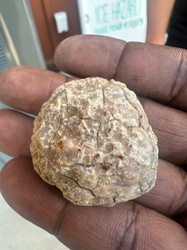
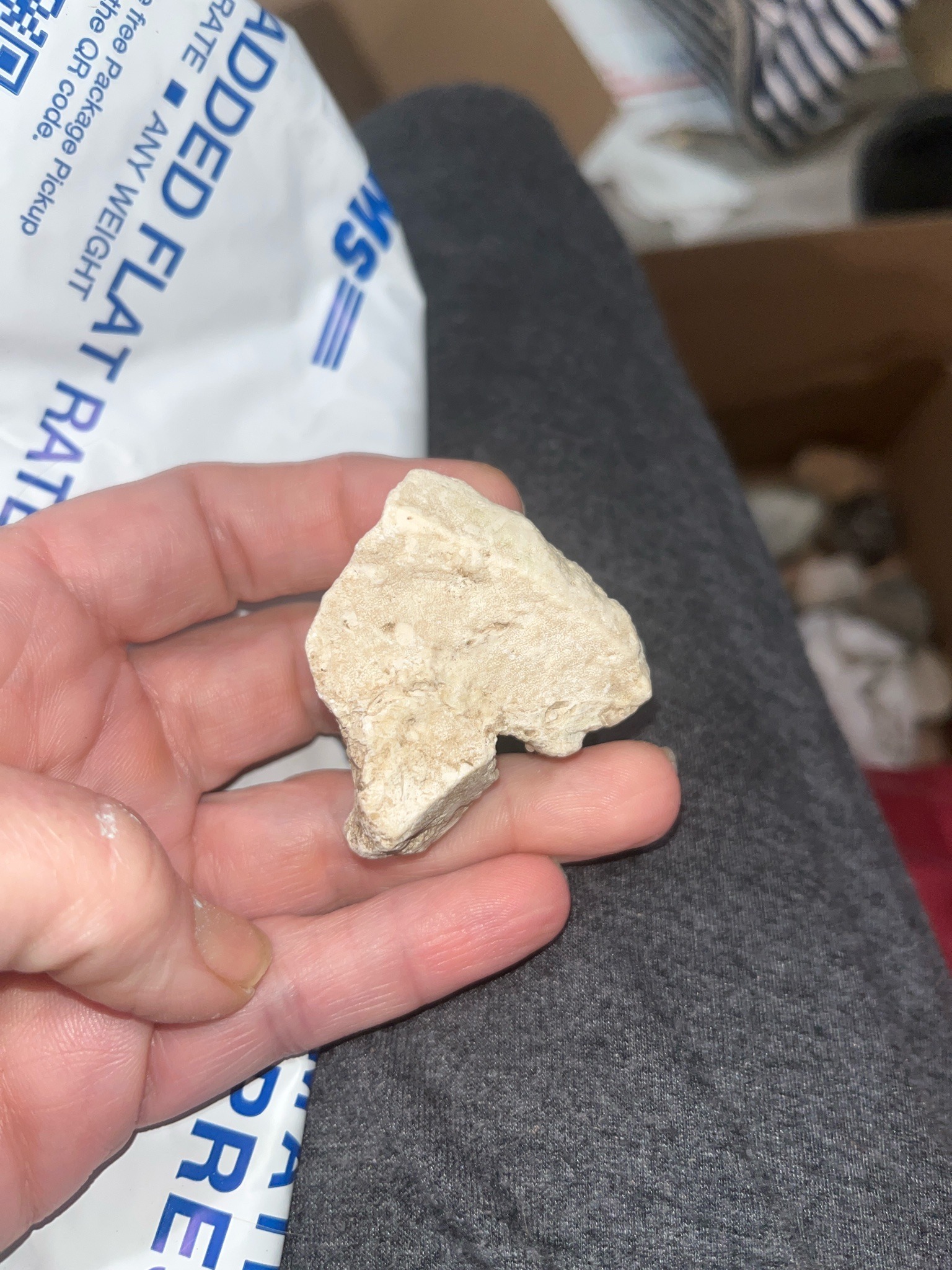
Fragmented rock specimen, possibly fossiliferous limestone

This name is the AI's identification of the item — it may be incorrect.

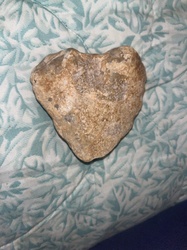
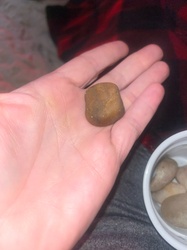
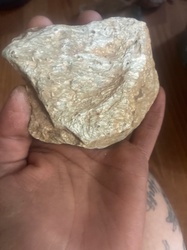
Submitted photo of Fragmented rock specimen, possibly fossiliferous limestone
Photo submitted by the user — not generated by AI

AI Estimated Value

Not an official valuation

$5 - $15

AI estimate as of June 14, 2026 · verify with a professional before acting

AI-Generated · Verify before acting

Everything on this page is generated by AI for informational purposes only. AI can make mistakes — the AI may misidentify items or misattribute them (artist, maker, brand, designer, origin, era). This is not an official valuation and should not be used for insurance, sale, tax, estate, legal, or lending purposes — or any decision requiring a certified appraisal. It is not an authoritative claim about any person, brand, or rights holder — do not share or rely on it as a factual statement about a third party. Always consult qualified professionals before making financial decisions.

Read the full disclaimer

AI Item Analysis

The item is a small, irregular rock fragment held in a person's hand for scale. It features a light cream to tan coloration with a matte, chalky surface texture. The object appears to be composed of sedimentary material, stylistically consistent with limestone or a similar carbonate rock. Close inspection of the surface reveals a porous, granulated texture that is suggestive of tiny fossilized marine inclusions or coral structures, though this remains an unverified hypothesis without microscopic analysis. The specimen has irregular, jagged edges indicating it is a naturally broken piece rather than a worked artifact. There are slight variations in tone including darker beige areas within recurrent pits and crevices. No visible maker's marks, inscriptions, or labels are present. The quality of the specimen appears robust but fragile along its thinner edges. Due to the lack of identifying geological markings or provenance documentation, the exact mineral composition and age cannot be established from the image alone, although the appearance is generally consistent with ancient sedimentary deposits containing biological fragments.

AI Appraisal Report

Based on the provided image, I have examined this small, irregular rock fragment which appears consistent with fossiliferous limestone or a similar carbonate sedimentary specimen. From what I can see, the light cream to tan coloration and porous surface suggest a natural geological origin, possibly containing marine inclusions or coral structures. However, I cannot verify the exact mineral composition or age from a photo; microscopic analysis and scientific testing would be required to confirm its geological classification and whether the inclusions are indeed biological remains. The basis for this value estimate is grounded in the item's status as a small, unprovenanced field specimen. In the current market, specimens of this size and type are abundant and typically sell for nominal amounts at rock and gem shows or as educational samples. Because the specimen lacks documentation or a specific locality attribution (which often drives value for collectors), its appeal is primarily as a general curiosity. If the specimen were found to have a rare mineral composition or be from a historically significant site, the value might increase slightly, but as an unattributed piece of common sediment, the value remains low. A physical inspection by a geologist would be needed to determine if the jagged edges indicate a recent break or ancient weathering. Should the item be identified as a modern composite or common landscaping gravel rather than a naturally occurring fossiliferous rock, the value would essentially be negligible. The current range reflects the assumed identification of a natural sedimentary fragment of modest size and commonality.

Keep exploring

More geological specimens appraisals

Get your items appraised

Instant AI-powered appraisal estimates from a photo

Browse More Appraisals