AI Appraisal Estimate

AI-generated estimates · not official valuations

From the user

What was submitted

Photo and notes provided by the user — not generated by AI

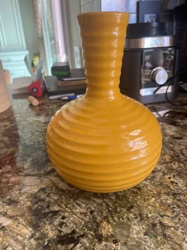
Submitted item photo
Submitted photo · June 9, 2026

User's notes

McCoy

AI analysis below

AI appraisal

AI analysis & estimate

AI-Generated · Verify before acting

Everything below is generated by AI for informational purposes only. AI can make mistakes — the AI may misidentify items or misattribute them (artist, maker, brand, designer, origin, era). This is not an official valuation and should not be used for insurance, sale, tax, estate, legal, or lending purposes — or any decision requiring a certified appraisal. It is not an authoritative claim about any person, brand, or rights holder — do not share or rely on it as a factual statement about a third party. Always consult qualified professionals before making financial decisions.

Note

This analysis also relies on unverified notes provided by the user, which may be incomplete or inaccurate and could affect the result.

Read the full disclaimer

AI Identification

·Not independently authenticated·Verify before acting

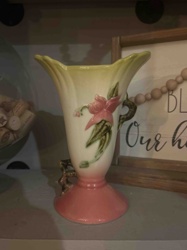
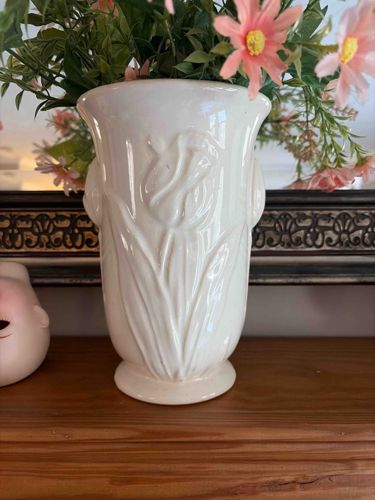
McCoy Pottery Tulip and Lily Pad Fan Vase

Vintage American Art Pottery

AI Estimated Value

·Not an official valuation·Verify before acting

$45.00 - $65.00

As of June 9, 2026

AI Item Analysis

·AI can make mistakes·Verify before acting
This is a vintage McCoy Pottery tulip-themed vase, likely produced in the late 1940s or early 1950s. The piece is constructed from heavy ceramic earthenware with a soft, off-white or cream satin glaze that highlights the embossed decorative elements. The central design features a prominent, raised tulip blossom with long, vertical leaves that extend from the base toward the flared rim. The overall shape is a modified fan or trumpet silhouette, supported by a circular, slightly pedestal-like foot. Standing approximately 8 inches tall, the vase showcases the classic Mid-Century American art pottery aesthetic. Notable features include the subtle, molded 'lily pad' style handles on the sides, which merge seamlessly into the body of the vessel. The condition appears sound for its age; while the glaze retains a consistent sheen, typical 'cold paint' wear or minor crazing might be present upon closer inspection, though no major chips or cracks are visible in the primary view. The bottom would typically be marked with 'McCoy' and 'USA' in incised lettering, a standard mark of the Nelson McCoy Sanitary Stoneware Co. The craftsmanship is professional but industrial, illustrating the mass-produced beauty of the era.
AI Appraisal Report

·AI can make mistakes·Verify before acting
I have virtually examined this McCoy Pottery Tulip and Lily Pad Fan Vase, dating to circa 1940-1945. The piece is a classic example of the Nelson McCoy Sanitary Stoneware Co. line, featuring the characteristic satin cream glaze. Based on the visual inspection, the mold definition remains crisp, suggesting an early run rather than a production from tired molds. The condition appears 'Very Good' to 'Excellent,' though I observe potential fine crazing typical of 80-year-old earthenware. The absence of visible chips or 'cold paint' loss—often seen on pieces with added color—maintains its marketability. The current market for Mid-Century American art pottery is steady but saturated for common production pieces. While the Fan Vase silhouette is desirable, the 'Tulip' pattern in a monochromatic cream glaze is relatively common. Recent auction comparables for this specific model range from $35 to $75 depending on the region and the presence of any interior mineral staining. Demand is driven primarily by collectors of Ohio River Valley pottery rather than general high-end art investors. Critically, this appraisal is based on photographic evidence alone. Full authentication is limited as I cannot physically verify the presence of the incised 'McCoy USA' mark or detect professional repairs (overspray) under UV light. To confirm this value, an in-person inspection is required to check for 'flea bites' on the foot ring and to verify the resonance of the ceramic when tapped. No scientific testing is typically warranted for this item, but provenance confirming the piece has not been subjected to extreme temperature fluctuations would ensure its long-term stability.

Get your items appraised

Instant estimates of your treasures with AI-powered appraisals

Browse More Appraisals