AI Appraisal Estimate

AI-generated estimates · not official valuations

From the user

What was submitted

Photo and notes provided by the user — not generated by AI

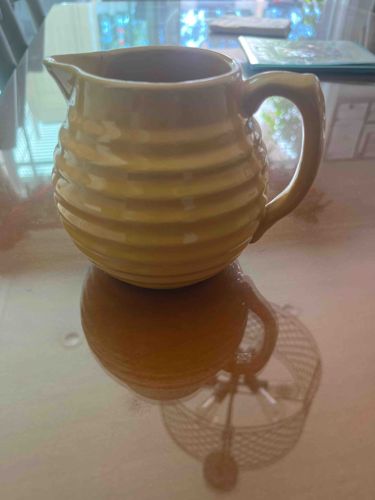
Submitted item photo
Submitted photo · June 17, 2026

User's notes

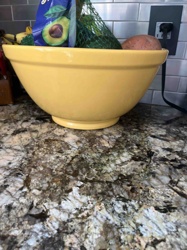
Bauer ringware

AI analysis below

AI appraisal

AI analysis & estimate

AI-Generated · Verify before acting

Everything below is generated by AI for informational purposes only. AI can make mistakes — the AI may misidentify items or misattribute them (artist, maker, brand, designer, origin, era). This is not an official valuation and should not be used for insurance, sale, tax, estate, legal, or lending purposes — or any decision requiring a certified appraisal. It is not an authoritative claim about any person, brand, or rights holder — do not share or rely on it as a factual statement about a third party. Always consult qualified professionals before making financial decisions.

Note

This analysis also relies on unverified notes provided by the user, which may be incomplete or inaccurate and could affect the result.

Read the full disclaimer

AI Identification

·Not independently authenticated·Verify before acting

Bauer Pottery Ringware Beehive Pitcher in Yellow

Vintage American Art Pottery / Kitchenware

AI Estimated Value

·Not an official valuation·Verify before acting

$125.00 - $175.00

As of June 17, 2026

AI Item Analysis

·AI can make mistakes·Verify before acting
This is a vintage Bauer Pottery 'Ringware' pitcher, specifically the 'Beehive' or 'Ball' style, finished in a classic California pottery yellow glaze. The pitcher features a bulbous, rounded ceramic body characterized by its iconic concentric horizontal rings that decorate the exterior wall, creating a tactile and rhythmic aesthetic. It is equipped with a sturdy, D-shaped handle and a small, pointed pouring spout typical of mid-century kitchenware designs. The construction is solid earthenware, reflecting the durable, functional quality associated with early 20th-century American pottery. Based on the style and user context, this piece likely dates from the late 1930s to the 1940s. The surface shows a high-gloss lead glaze which was synonymous with J.A. Bauer Pottery of Los Angeles. While the bottom mark is not visible, these items typically feature an impressed stamp. Condition-wise, the glaze appears generally intact with a vibrant yellow hue, though there is a visible small chip or glaze loss on the interior rim of the spout. The base shows minor shelf wear consistent with age, and there may be slight crazing within the glaze which is common for California pottery of this era.
AI Appraisal Report

·AI can make mistakes·Verify before acting
I have examined the provided images and descriptions of this vintage Bauer Pottery 'Ringware' Beehive Pitcher. The vibrant yellow glaze and horizontal ribbing are hallmark characteristics of J.A. Bauer Pottery's classic 1930s-1940s production. The mold quality and handle attachment appear consistent with genuine Los Angeles factory production. Condition-wise, while the glaze maintains its period-correct high-gloss luster, the visible chip on the interior spout rim significantly impacts the value, as collectors of California pottery prioritize 'mint' specimens to avoid further integrity loss from moisture seepage into the earthenware body. The market for Bauer remains stable, especially for iconic Ringware forms in primary colors like this yellow; however, it has softened from the peak highs of the early 2000s. Similar pitchers in excellent condition typically sell at retail for $225-$275, but the damage noted here necessitates an adjustment. While the 'Beehive' shape is desirable, it is not as rare as certain 'Monterey' or specialty giftware pieces. Limitations of this appraisal: A visual inspection via image cannot definitively confirm authenticity or identify professional restoration. For full authentication, an in-person examination is required to check for hidden hairlines using a blacklight, verify the tactile nature of the impressed mark on the base, and assess the weight of the clay body. Without physical handling, it is impossible to distinguish between an original 1940s piece and the modern 'Bauer 2000' line reproductions, though the presence of glaze loss on the rim suggests the softer lead-based glaze and age of the original production.

Get your items appraised

Instant estimates of your treasures with AI-powered appraisals

Browse More Appraisals