AI identification & appraisal estimate

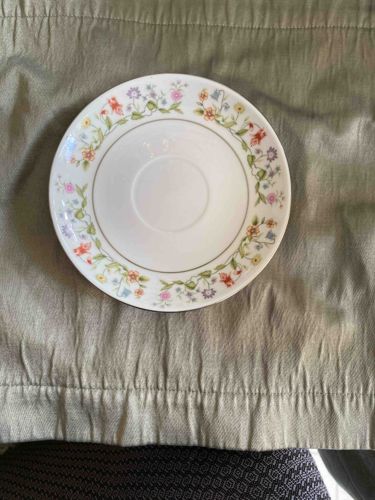
Floral Pattern Porcelain Saucer

This name is the AI's identification of the item — it may be incorrect.

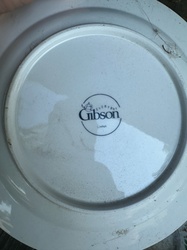
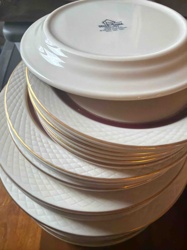
Submitted photo of Floral Pattern Porcelain Saucer
Photo submitted by the user — not generated by AI

AI Estimated Value

Not an official valuation

$5 - $15

AI estimate as of October 26, 2025 · verify with a professional before acting

AI-Generated · Verify before acting

Everything on this page is generated by AI for informational purposes only. AI can make mistakes — the AI may misidentify items or misattribute them (artist, maker, brand, designer, origin, era). This is not an official valuation and should not be used for insurance, sale, tax, estate, legal, or lending purposes — or any decision requiring a certified appraisal. It is not an authoritative claim about any person, brand, or rights holder — do not share or rely on it as a factual statement about a third party. Always consult qualified professionals before making financial decisions.

Read the full disclaimer

AI Item Analysis

This item is a circular porcelain saucer, primarily white in color, designed to hold a teacup or coffee cup. Its most notable feature is a vibrant floral motif that encircles the rim. The floral pattern includes small, stylized flowers in various colors such as pink, orange, purple, and light blue, interspersed with green leaves and delicate stems. This band of flora is bordered on both its inner and outer edges by thin, gold-toned lines, adding a touch of elegance. The center of the saucer features a raised circular indentation, approximately 2.5 to 3 inches in diameter, designed to securely seat a cup, preventing it from sliding. The porcelain appears to be fine quality, exhibiting a smooth, glossy glaze, which suggests it was fired at a high temperature. There are no visible chips, cracks, or significant abrasions on the surface, indicating good overall condition with minimal wear. The colors of the floral design are still vivid and show no apparent fading. Without a manufacturer's mark, precise manufacturing details or age are difficult to ascertain, but the style of the floral decoration and the presence of gold-toned accents suggest it could be from the mid-20th century to a more contemporary period, possibly inspired by classic chintz patterns. The craftsmanship appears to be consistent with mass-produced tableware, yet the details of the floral pattern are delicately rendered.
AI Appraisal Report

Based on my visual examination of the provided image, this Floral Pattern Porcelain Saucer appears to be in very good condition. There are no visible chips, cracks, or significant abrasions, and the glossy glaze is intact, suggesting careful handling or minimal use. The colors of the floral motif are vibrant and unfaded, enhancing its aesthetic appeal. The raised circular indentation for a cup is a practical design feature. Authenticity is difficult to ascertain solely from an image. There is no visible manufacturer's mark, which severely limits the ability to identify its origin, age, or maker definitively. While the style of floral decoration and gold-toned accents align with mid-20th century to contemporary chintz-inspired patterns, without a mark, it's impossible to confirm specific provenance or manufacturer. An in-person examination would allow for inspection of the underside for marks, assessment of the porcelain's weight and translucency, and a more thorough evaluation of the quality of the gold application. Market conditions for unmarked, mass-produced porcelain saucers, even in good condition with attractive patterns, are generally modest. Comparables in the secondary market (e.g., online marketplaces, antique malls) for similar individual saucers without a full set or a renowned maker typically range from $5 to $15. Demand for single saucers is low unless it completes a rare set or is from a highly collectible brand. Rarity is not a factor here due to the likely mass-produced nature and lack of identifying marks. The primary factor impacting value negatively is the absence of any manufacturer's mark, which prevents any elevation beyond generic decorative tableware. Full authentication would require physical inspection for marks, and potentially a closer look at the porcelain body's characteristics to identify specific production origins.

Keep exploring

More dinnerware appraisals

Get your items appraised

Instant AI-powered appraisal estimates from a photo

Browse More Appraisals