AI identification & appraisal estimate

Raw Mineral Specimen

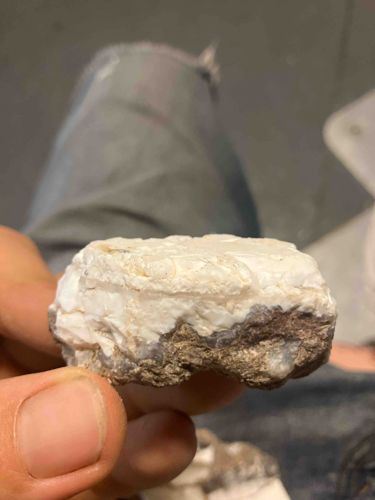
Submitted photo of Raw Mineral Specimen
Photo submitted by the user — not generated by AI

AI Estimated Value

Not an official valuation

$10-50

AI estimate as of June 8, 2025 · verify with a professional before acting

AI-Generated · Verify before acting

Everything on this page is generated by AI for informational purposes only. AI can make mistakes — the AI may misidentify items or misattribute them (artist, maker, brand, designer, origin, era). This is not an official valuation and should not be used for insurance, sale, tax, estate, legal, or lending purposes — or any decision requiring a certified appraisal. It is not an authoritative claim about any person, brand, or rights holder — do not share or rely on it as a factual statement about a third party. Always consult qualified professionals before making financial decisions.

Read the full disclaimer

AI Item Analysis

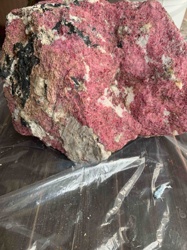
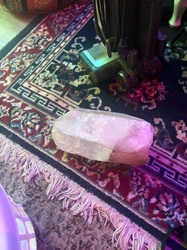
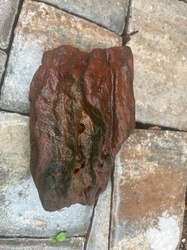
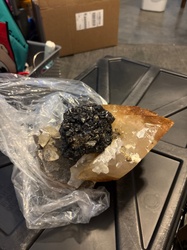
The item appears to be a mineral specimen, likely a raw or unpolished piece demonstrating natural formation. Its primary color is a creamy white to off-white hue, with a significant portion of the lower section exhibiting a contrasting dark brown or reddish-brown color with some gray undertones. The surface texture is rough and irregular, indicative of a naturally occurring formation rather than a cut or polished specimen. The white material appears layered or crystalline in some areas, while the darker material has a more granular or earthy appearance. There are no visible maker's marks, signatures, or stamps. The piece is being held in a hand, giving a sense of its size – it is small enough to be comfortably held in a person's palm. There are no obvious signs of repair, but the natural, uneven surface suggests typical wear and tear from its geological origin or extraction. Without further analysis, determining the exact minerals present or estimating an age is challenging, but it exhibits the typical characteristics of a raw geological sample, possibly suitable for lapidary work or as a display specimen for its natural beauty.

AI Appraisal Report

I have examined the provided image of the raw mineral specimen. The item appears to be a natural, unpolished piece exhibiting a striking contrast between a creamy white mineral and a darker, likely iron-stained rock matrix. The condition appears consistent with a naturally formed geological sample, with no visible signs of artificial alteration or repair from the image alone. Authenticity as a natural specimen seems probable based on its texture and formation; however, definitive authentication of the specific mineral composition requires scientific testing. Establishing a precise market value from an image alone is challenging without knowing the specific mineral composition. The white material could be calcite, quartz, selenite, or another mineral, each carrying vastly different values. Without identifying the mineral(s), precise comparable sales are difficult to locate. Generic raw mineral specimens of this size and visual appeal typically command modest values in the general market. Higher demand and rarity are contingent upon the mineral's identity and quality. Factors significantly impacting value include the specific mineral type, crystal formation (if any), purity, and aesthetic appeal of the contrast. Limitations in authenticity verification from the image are significant. In-person examination is necessary for tactile assessment of hardness, cleavage, and specific gravity. Provenance documentation would provide valuable context regarding the specimen's origin. Scientific testing, such as X-ray diffraction (XRD) or energy-dispersive X-ray spectroscopy (EDS), is essential for definitive mineral identification and confirmation of natural origin. A full appraisal requires these steps.

Keep exploring

More mineral specimen appraisals

Get your items appraised

Instant AI-powered appraisal estimates from a photo

Browse More Appraisals