AI Appraisal Estimate

AI-generated estimates · not official valuations

From the user

What was submitted

Photo and notes provided by the user — not generated by AI

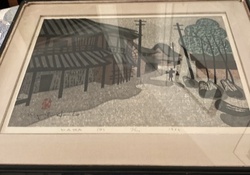
Submitted item photo
Submitted photo · June 20, 2026

User's notes

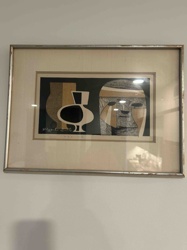
Saito Kiyoshi (Japanese, 1907-1997) Horyu-ji, Nara, 1971 Woodblock print embellished with silver metallic and mica 15-1/4 x 20-1/2 inches (38.7 x 52.1 cm) (sheet) Ed. 65/200 Signed with artist's seal within composition, title, numbered, and dated in pencil lower margin

AI analysis below

AI appraisal

AI analysis & estimate

AI-Generated · Verify before acting

Everything below is generated by AI for informational purposes only. AI can make mistakes — the AI may misidentify items or misattribute them (artist, maker, brand, designer, origin, era). This is not an official valuation and should not be used for insurance, sale, tax, estate, legal, or lending purposes — or any decision requiring a certified appraisal. It is not an authoritative claim about any person, brand, or rights holder — do not share or rely on it as a factual statement about a third party. Always consult qualified professionals before making financial decisions.

Note

This analysis also relies on unverified notes provided by the user, which may be incomplete or inaccurate and could affect the result.

Read the full disclaimer

AI Identification

·Not independently authenticated·Verify before acting

Horyu-ji, Nara by Saito Kiyoshi

Fine Art - Japanese Woodblock Prints (Sōsaku-hanga)

AI Estimated Value

·Not an official valuation·Verify before acting

$4,000 - $6,000

As of June 20, 2026

AI Item Analysis

·AI can make mistakes·Verify before acting
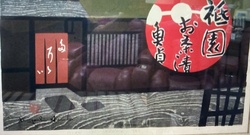
This is an original woodblock print titled 'Horyu-ji, Nara' created in 1971 by the renowned Sōsaku-hanga artist Saito Kiyoshi (Japanese, 1907-1997). The artwork measures approximately 15-1/4 x 20-1/2 inches (sheet size) and is executed on heavy cream-colored paper with deckled edges. The composition depicts a serene architectural view of the Horyu-ji temple complex, characterized by Saito's signature modernist aesthetic. The palette consists of deep earth tones, charcoal grays, and blacks, accented with a striking touch of vermilion red on a distant roof. A notable technical feature is the embellishment with silver metallic pigments and mica, which adds a subtle shimmering texture and depth to the sky and architectural surfaces. The woodgrain of the block is intentionally visible in the printed areas, a hallmark of the artist's technique that emphasizes the organic material of the medium. The print is numbered 65/200, titled 'Horyu-ji Nara', and dated 1971 in pencil along the lower margin. The artist's red seal is present within the composition on the right side above his signature. The print appears to be in overall good condition, showing consistent ink saturation and sharp margins, though slight toning or minor handling ripples typical of its age may be present upon close physical inspection. This piece represents a mature work from Saito's career, blending traditional Japanese subject matter with a mid-century Western design sensibility.
AI Appraisal Report

·AI can make mistakes·Verify before acting
I have virtually examined this 1971 woodblock print by Kiyoshi Saito, titled 'Horyu-ji, Nara.' Saito is a titan of the Sōsaku-hanga movement, and this specific work represents his mature style, blending architectural geometry with sophisticated textural experimentation. The presence of silver metallic pigments and mica signifies a high-tier production value, elevating it above his more standard landscape works. The edition size of 200 is standard for Saito, though low enough to maintain significant secondary market demand. From the provided details, the print appears to be in good condition with strong ink saturation and visible woodgrain—a crucial aesthetic element for Saito collectors. The margins appear intact with the necessary pencil signatures and numbering (65/200). Recent auction data for large-format 1970s Horyu-ji subjects shows a robust market; similar architectural works in pristine condition frequently hammer between $4,500 and $5,500 at specialist Asian art auctions. The use of vermilion pigment as a focal point increases its decorative and commercial appeal. However, a definitive valuation is hindered by the digital nature of this inspection. Authenticity can only be preliminary verified by the signature and seal style. A physical examination is required to check for 'foxing' (mold spots), sunlight-induced fading of the silver/micaceous elements, or thinning of the paper (skinned areas) from previous mounting. I would also need to verify the watermark or paper type and obtain provenance documentation (previous gallery labels or sales receipts) to confirm its chain of ownership. Scientific analysis of the ink composition and paper fibers would be necessary to rule out high-quality modern reproductions.

Get your items appraised

Instant estimates of your treasures with AI-powered appraisals

Browse More Appraisals