AI identification & appraisal estimate

Mexican 1910 Un Peso Coin

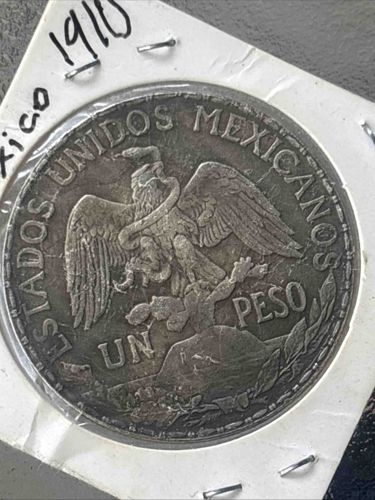
Submitted photo of Mexican 1910 Un Peso Coin
Photo submitted by the user — not generated by AI

User's notes

Mexican

These notes were written by the person who submitted this item. Appraiser.AI has not verified them, and the AI's identification and estimate may rely on them.

AI Estimated Value

Not an official valuation

$40-70

AI estimate as of August 28, 2025 · verify with a professional before acting

AI-Generated · Verify before acting

Everything on this page is generated by AI for informational purposes only. AI can make mistakes — the AI may misidentify items or misattribute them (artist, maker, brand, designer, origin, era). This is not an official valuation and should not be used for insurance, sale, tax, estate, legal, or lending purposes — or any decision requiring a certified appraisal. It is not an authoritative claim about any person, brand, or rights holder — do not share or rely on it as a factual statement about a third party. Always consult qualified professionals before making financial decisions.

This analysis also relies on unverified notes provided by the user, which may be incomplete or inaccurate and could affect the result.

Read the full disclaimer

AI Item Analysis

The item is a silver coin, specifically identified as a Mexican Un Peso coin from 1910. The coin is circular and appears to be housed within a rectangular paper or cardboard holder, possibly a 2x2 coin flip or similar numismatic protective covering, secured by metal staples. The obverse side of the coin is visible, featuring the national emblem of Mexico: a golden eagle consuming a snake, perched on a prickly pear cactus that grows from a rock submerged in a lake. Below the eagle, the denomination 'UN PESO' is clearly inscribed. Encircling the central design, the phrase 'ESTADOS UNIDOS MEXICANOS' (United Mexican States) is visible along the top rim. The coin exhibits a considerable amount of toning and a greyish patina, indicative of its age and possibly exposure to environmental elements, which is common for older silver coins and can be desirable to collectors. There are no obvious signs of severe damage like large scratches, dents, or polishing, although some minor surface wear is present, consistent with circulation. The intricate details of the eagle, snake, and cactus are still discernible, suggesting decent preservation for a 114-year-old coin. The craftsmanship appears to be of standard mint quality for the period. The handwritten '1910' at the top of the holder confirms the specific year of mintage, adding to its identification.

AI Appraisal Report

I have carefully examined the provided image of this 1910 Mexican Un Peso coin. Based on the visual evidence, the coin appears to be authentic, displaying characteristics consistent with known examples of this issue, including the detailed national emblem and 'ESTADOS UNIDOS MEXICANOS' inscription. The toning and greyish patina are typical for silver coinage of this age and often viewed favorably by collectors as natural aging, indicating it has likely not been harshly cleaned. I would assess its condition as Fine to Very Fine (VF). While surface wear is evident, the intricate details of the eagle, snake, and cactus remain discernible, suggesting decent preservation for a coin that has likely seen some circulation. Regarding market conditions, demand for pre-1920 Mexican silver coinage, especially iconic Un Peso issues, remains consistently strong among numismatists. The 1910 mintage is not considered rare. However, its historical significance, being minted just prior to the tumultuous Mexican Revolution, adds to its appeal. Comparables for coins in similar VF condition typically range. Factors significantly impacting value include the authentic natural toning and the absence of apparent severe damage like deep scratches or cleaning marks. The stability within its protective holder also suggests considerate past handling. It is crucial to note the limitations of image-based appraisal. While I believe the coin is authentic, a definitive authentication would require an in-person examination to assess crucial elements such as weight, diameter, thickness, and edge reeding, which are paramount for verifying authenticity and identifying potential counterfeits. Furthermore, detailed provenance documentation, if available, would enhance confidence in its history. Microscopic analysis could also reveal subtle details regarding strike and wear not visible in photographs.

Keep exploring

More coin appraisals

Get your items appraised

Instant AI-powered appraisal estimates from a photo

Browse More Appraisals