AI Appraisal Estimate

AI-generated estimates · not official valuations

From the user

What was submitted

Photo and notes provided by the user — not generated by AI

Submitted item photo
Submitted photo · June 12, 2026

User's notes

No additional notes provided.

AI analysis below

AI appraisal

AI analysis & estimate

AI-Generated · Verify before acting

Everything below is generated by AI for informational purposes only. AI can make mistakes — the AI may misidentify items or misattribute them (artist, maker, brand, designer, origin, era). This is not an official valuation and should not be used for insurance, sale, tax, estate, legal, or lending purposes — or any decision requiring a certified appraisal. It is not an authoritative claim about any person, brand, or rights holder — do not share or rely on it as a factual statement about a third party. Always consult qualified professionals before making financial decisions.

Read the full disclaimer

AI Identification

·Not independently authenticated·Verify before acting

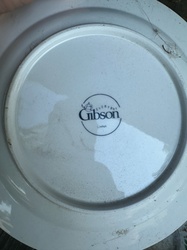
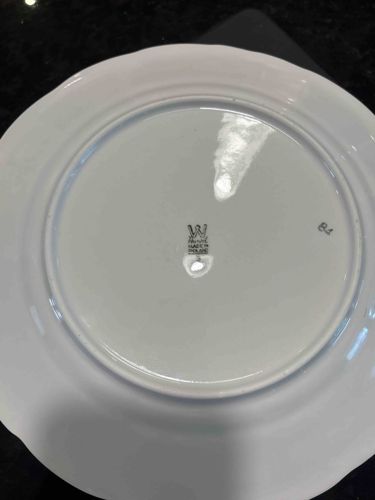
White Ceramic Wawel Dinner Plate

Dinnerware

AI Estimated Value

·Not an official valuation·Verify before acting

$15-25

As of June 12, 2026

AI Item Analysis

·AI can make mistakes·Verify before acting
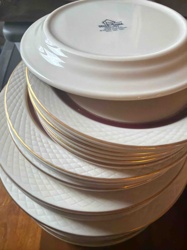
This item is the reverse side of a white ceramic dinner plate, appearing to be made of porcelain or fine china due to its glossy finish and translucent quality. Its physical characteristics include a substantial circular form with a slightly raised foot-rim in the center, which helps elevate the plate from a surface. The rim of the plate features a gently scalloped or fluted edge, adding a decorative element to its otherwise simple form. The primary color is a uniform, bright white, indicative of a clean and classic design. The plate appears to be in very good condition, showing no visible chips, cracks, or significant wear on the surface or edges discernible from this angle. There might be some subtle surface scuffs or minor utensil marks on the front (not visible here) but none are apparent on the back. A prominent manufacturer's mark is centered on the back, featuring a distinctive "W" logo with the text "WAWEL" above it, and "MADE IN POLAND" below, confirming its origin and maker. Below "MADE IN POLAND" there appears to be a smaller, illegible line of text, possibly a mold number or date code. Furthermore, there is a handwritten or stamped number "84" on the outer decorative rim, which could denote a pattern number, production batch, or an internal inventory marking. The craftsmanship appears to be of high quality, with a smooth, even glaze lacking any obvious flaws such as pinholes or crazing. The overall style is classic and versatile, suggesting it may have been part of a larger dinnerware set, dating possibly from the mid to late 20th century based on the visible mark.
AI Appraisal Report

·AI can make mistakes·Verify before acting
Based on my visual examination of the provided image, this White Ceramic Wawel Dinner Plate appears to be in very good condition. The back shows no discernible chips, cracks, or significant wear, and the glossy finish is consistent with a well-maintained porcelain or fine china item. The prominent 'W' logo with 'WAWEL' and 'MADE IN POLAND' clearly indicates its authenticity as a product of the Wawel factory. The handwritten '84' is likely an internal marking, not directly indicative of value. Market conditions for individual dinner plates from mid to late 20th-century European manufacturers like Wawel are generally modest. While Wawel is a reputable producer, their standard white ceramic dinnerware is not typically rare. Demand is primarily from individuals seeking to complete existing sets or for everyday use. Factors impacting value positively are its excellent condition and clear manufacturer's mark. The lack of elaborate patterns or highly sought-after designs limits its top-end value. It is important to note the limitations of image-only appraisal. While the back appears pristine, I cannot definitively assess the front for utensil marks, glaze imperfections, or damage not visible from this angle. Full authentication and a more precise condition report would require in-person examination to check for crazing, surface scratches, and true translucency. Provenance documentation, such as original sales receipts or family history, could also add context but is not critical for this type of item's valuation. Scientific testing is not typically required for standard ceramic dinnerware authentication.

Get your items appraised

Instant estimates of your treasures with AI-powered appraisals

Browse More Appraisals