AI identification & appraisal estimate

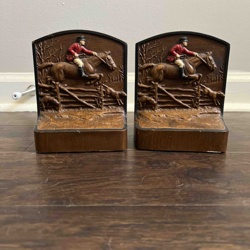
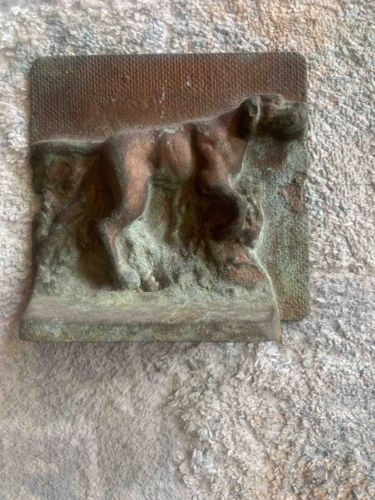
Antiqued Bronze Dog Bookend

Submitted photo of Antiqued Bronze Dog Bookend
Photo submitted by the user — not generated by AI

User's notes

Book end

These notes were written by the person who submitted this item. Appraiser.AI has not verified them, and the AI's identification and estimate may rely on them.

AI Estimated Value

Not an official valuation

$100-200

AI estimate as of September 7, 2025 · verify with a professional before acting

AI-Generated · Verify before acting

Everything on this page is generated by AI for informational purposes only. AI can make mistakes — the AI may misidentify items or misattribute them (artist, maker, brand, designer, origin, era). This is not an official valuation and should not be used for insurance, sale, tax, estate, legal, or lending purposes — or any decision requiring a certified appraisal. It is not an authoritative claim about any person, brand, or rights holder — do not share or rely on it as a factual statement about a third party. Always consult qualified professionals before making financial decisions.

This analysis also relies on unverified notes provided by the user, which may be incomplete or inaccurate and could affect the result.

Read the full disclaimer

AI Item Analysis

This appears to be a single bookend, cast from a metal, most likely bronze or a bronze-finished pot metal, given its color and the presence of patina. The item features a relief sculpture of a hunting dog, possibly a Pointer or a similar breed, captured in a dynamic stance with its head slightly lowered and body seemingly tense, as if on point or scenting prey. The overall size is consistent with a bookend, likely around 6-8 inches in height and width. The dog is depicted against a textured, somewhat rustic background, suggesting an outdoor or natural environment. The base is flat and solid, designed to provide stability. The color palette is dominated by dark, oxidized browns and greens, indicative of an aged patination process on bronze, with some lighter areas revealing the underlying metallic sheen. There are no immediately obvious significant condition issues such as cracks or major breaks, but the surface exhibits a good deal of wear and an uneven patina, suggesting considerable age and handling. This unevenness, with lighter colored abrasions and darker unmarred sections, contributes to its antique appearance. No discernible maker's marks or signatures are visible in the provided images, though they might exist on the reverse or the bottom. The style suggests it could be from the late 19th to early 20th century, a period when such animalier bronzes were popular for decorative and functional household items. The craftsmanship appears to be of good quality, with reasonable anatomical detail for the dog and a sturdy construction, reflecting a deliberate artistic intent.
AI Appraisal Report

Based on my visual examination of the provided image, this is an Antiqued Bronze Dog Bookend, likely from the late 19th to early 20th century. The casting quality appears good, with reasonable detail on the hunting dog. The uneven patina and areas of wear are consistent with an antique piece that has seen handling and use over time. I assess its condition as good, with expected age-related wear, and it appears authentic for its type and period. The 'antiqued bronze' description likely means it's bronze or a bronze-finished pot metal; a visual inspection can't definitively determine the exact alloy. Without a pair, its value as a single bookend is reduced. In terms of market conditions, similar single antique animalier bookends, especially without prominent maker's marks, fall into the decorative arts category. Demand for such pieces is steady but not exceptionally high. The lack of a pair and identifiable maker's mark limits its collectible appeal and broader market value. Comparables of single, unmarked bronze or bronzed-metal bookends of this age typically range from $80 to $250, depending on the subject matter, condition, and actual material. Factors significantly impacting value include its status as a single bookend, the absence of a visible maker's mark (which can sometimes increase value), and the precise metal composition. For full authentication and to ascertain the exact metal content, a physical inspection would be crucial. This would allow for examination of the base and reverse for hidden marks, assessment of the casting method, and potentially chemical testing. Provenance documentation, if available, would also add significant value by confirming its history and origin.

Keep exploring

More decorative arts/home decor appraisals

Get your items appraised

Instant AI-powered appraisal estimates from a photo

Browse More Appraisals