AI identification & appraisal estimate

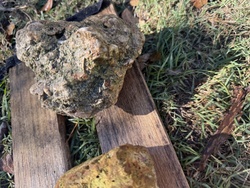
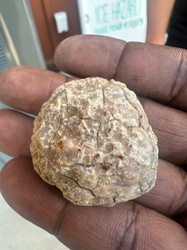
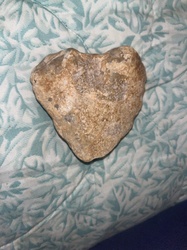
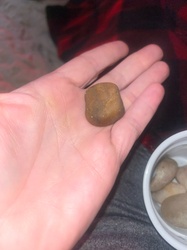
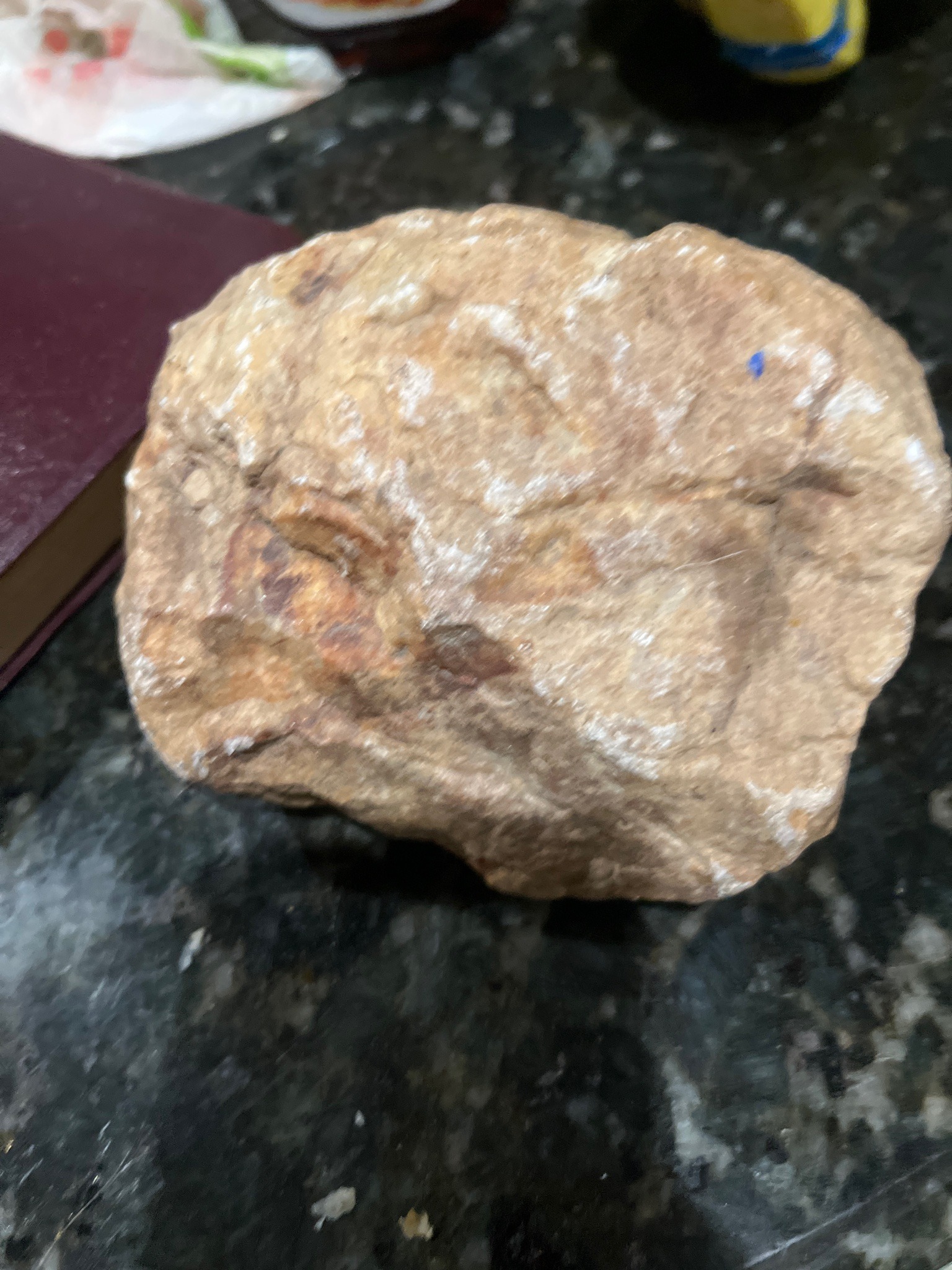
Earth-toned geode-style rock specimen

This name is the AI's identification of the item — it may be incorrect.

Submitted photo of Earth-toned geode-style rock specimen
Photo submitted by the user — not generated by AI

AI Estimated Value

Not an official valuation

$15 - $45

AI estimate as of June 13, 2026 · verify with a professional before acting

AI-Generated · Verify before acting

Everything on this page is generated by AI for informational purposes only. AI can make mistakes — the AI may misidentify items or misattribute them (artist, maker, brand, designer, origin, era). This is not an official valuation and should not be used for insurance, sale, tax, estate, legal, or lending purposes — or any decision requiring a certified appraisal. It is not an authoritative claim about any person, brand, or rights holder — do not share or rely on it as a factual statement about a third party. Always consult qualified professionals before making financial decisions.

Read the full disclaimer

AI Item Analysis

This item appears to be a naturally occurring rock specimen, possibly a geode or a nodule, exhibiting a highly irregular, textured, and pitted surface. The exterior is dominated by earth tones including tan, beige, and light brown, with sporadic white mineral deposits or encrustations visible in the crevices. Small patches of darker reddish-brown suggest the presence of iron oxides. On the upper-right quadrant, there is a small, bright blue speck that appears to be an artificial marking or a secondary mineral deposit. The overall shape is roughly spherical but with significant undulations and coarse crystalline-like structures visible on the surface. Based on visual characteristics, it is stylistically consistent with quartz-based geodes or sedimentary nodules common to various geological regions. Without physical inspection or a cross-sectional view to reveal the internal cavity, the specific mineral composition remains unverified, though the surface color and texture are consistent with common jasper or chert varieties. No visible maker's marks or synthetic stamps are present, as is typical for geological samples. The specimen shows natural weathering and wear consistent with outdoor discovery.

AI Appraisal Report

Based on my visual analysis of the provided image, this specimen appears to be a naturally occurring geode or sedimentary nodule, potentially composed of quartz, jasper, or chert. The exterior exhibits characteristic weathering and iron oxide staining consistent with geological samples found in the field. From the photo alone, I can see the surface texture and earth-toned coloration, but I cannot determine the internal composition or the presence of a hollow, crystal-filled cavity without a cross-sectional view or physical examination. The small blue marking on the surface is likely a secondary contaminant rather than a mineral deposit. My value estimate is based on the specimen as a common decorative or educational rock sample. Geological specimens of this type typically hold modest value in the current market, where demand is driven by aesthetic appeal and internal crystal quality. Since the interior remains unseen, the value is speculative; if the piece is solid (a nodule), it sits at the lower end of the range, whereas a hollow geode with high-quality interior crystallization could slightly exceed this estimate. To arrive at a more precise valuation, physical inspection involving a 'tap test' for hollowness or professional cutting and polishing would be required. If this item were to be identified as a rare mineral variety through scientific testing, the value could increase, though based on visible characteristics, it is currently categorized as a standard field-collected specimen. In its current raw state, it lacks the provenance or rare mineral markers that would drive high-tier collector interest.

Keep exploring

More geological specimens appraisals

Get your items appraised

Instant AI-powered appraisal estimates from a photo

Browse More Appraisals