AI identification & appraisal estimate

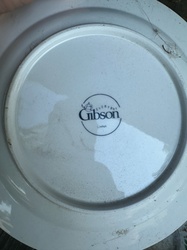
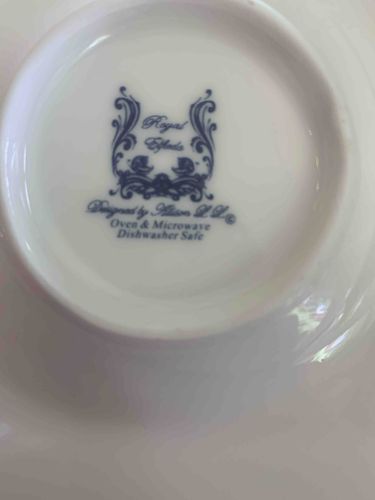
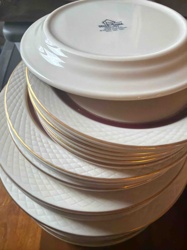
Royal Elgads Ceramic Dinnerware Base with Manufacturer Mark

Submitted photo of Royal Elgads Ceramic Dinnerware Base with Manufacturer Mark
Photo submitted by the user — not generated by AI

User's notes

Cup and dessert plate

These notes were written by the person who submitted this item. Appraiser.AI has not verified them, and the AI's identification and estimate may rely on them.

AI Estimated Value

Not an official valuation

$1-5 per piece

AI estimate as of July 13, 2025 · verify with a professional before acting

AI-Generated · Verify before acting

Everything on this page is generated by AI for informational purposes only. AI can make mistakes — the AI may misidentify items or misattribute them (artist, maker, brand, designer, origin, era). This is not an official valuation and should not be used for insurance, sale, tax, estate, legal, or lending purposes — or any decision requiring a certified appraisal. It is not an authoritative claim about any person, brand, or rights holder — do not share or rely on it as a factual statement about a third party. Always consult qualified professionals before making financial decisions.

This analysis also relies on unverified notes provided by the user, which may be incomplete or inaccurate and could affect the result.

Read the full disclaimer

AI Item Analysis

The item depicted is the base of a piece of ceramic dinnerware, likely a cup or dessert plate based on the context provided. It is made of white ceramic or porcelain with a glossy glaze. The most prominent feature is the manufacturer's mark, applied in a dark blue underglaze transfer print. The mark is centrally located on the recessed foot rim of the piece. The design of the mark features a stylized, ornate escutcheon or shield shape with scrolling acanthus-like motifs on either side, giving it a somewhat regal or classical appearance. Inside this decorative border, the brand name "Royal Elgads" is printed in a script font. Below this, in smaller script, it reads "Designed by Alison H.L.L.", indicating a specific designer. Further below, in a simpler sans-serif font, the functional attributes "Oven & Microwave Dishwasher Safe" are listed. The overall condition appears excellent, with no visible chips, cracks, or significant wear to the glaze or the transfer print. The white ceramic is clean and bright. The craftsmanship suggests a mass-produced item, common for contemporary dinnerware designed for durability and ease of use. The 'safe' markings indicate a relatively modern production, likely post-1980s, as these features became standardized for consumer convenience. The blue coloration of the mark contrasts well with the white, ensuring legibility.
AI Appraisal Report

Upon examining the provided image of the base of this dinnerware piece, I can assess its immediate visual characteristics. The item is a mass-produced ceramic piece, part of a set from the brand 'Royal Elgads'. The manufacturer's mark is clear and well-applied, featuring the brand name, the designer's credit 'Designed by Alison H.L.L.', and functional attributes 'Oven & Microwave Dishwasher Safe'. The overall condition appears excellent, with no visible chips, cracks, or crazing. The authenticity of the piece as a genuine 'Royal Elgads' product seems straightforward, given the clarity of the backstamp. However, the 'Royal Elgads' brand does not appear to be a recognized or highly collected name in the established secondary markets for fine china or porcelain. Market research reveals no significant auction records or comparable sales for this specific pattern or designer, suggesting it may be a private label, a lesser-known contemporary manufacturer, or a fictional brand. The primary value drivers for dinnerware are brand recognition (e.g., Wedgwood, Spode), rarity, and specific pattern desirability, all of which are low or unknown in this case. The 'dishwasher safe' marking confirms it is a modern piece not intended as a collector's antique. Value is therefore limited to its functional utility as a replacement piece. Limitations: Verification of the brand's history is impossible from the image alone. A physical inspection would confirm the material quality and look for any hidden damage, but it would not likely increase the value without market comparables. Provenance or original sales documentation would be needed to establish any historical or artistic significance.

Keep exploring

More dinnerware appraisals

Get your items appraised

Instant AI-powered appraisal estimates from a photo

Browse More Appraisals