AI identification & appraisal estimate

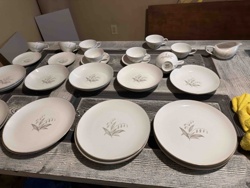
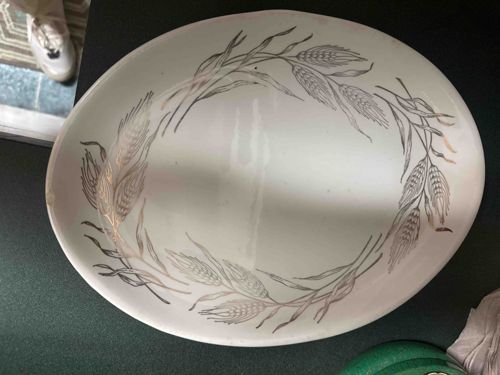
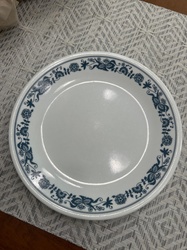
Mid-Century Modern Serving Platter with Wheat Motif

Submitted photo of Mid-Century Modern Serving Platter with Wheat Motif
Photo submitted by the user — not generated by AI

AI Estimated Value

Not an official valuation

$15 - $25

AI estimate as of November 8, 2025 · verify with a professional before acting

AI-Generated · Verify before acting

Everything on this page is generated by AI for informational purposes only. AI can make mistakes — the AI may misidentify items or misattribute them (artist, maker, brand, designer, origin, era). This is not an official valuation and should not be used for insurance, sale, tax, estate, legal, or lending purposes — or any decision requiring a certified appraisal. It is not an authoritative claim about any person, brand, or rights holder — do not share or rely on it as a factual statement about a third party. Always consult qualified professionals before making financial decisions.

Read the full disclaimer

AI Item Analysis

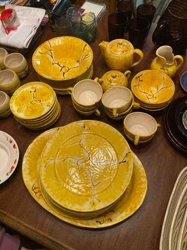
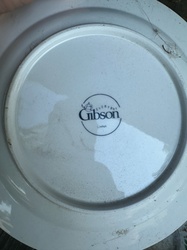
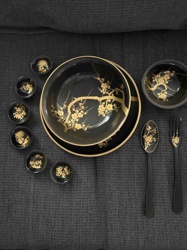
This is a white, oval-shaped ceramic or porcelain serving platter featuring a distinctive Mid-Century Modern design. The platter is adorned with a stylized wheat motif, executed in a combination of gold and dark gray or black lines, forming a wreath-like pattern around the interior rim. The gold elements, likely a metallic glaze or decal, show some areas of wear or fading, particularly noticeable on some of the wheat stalks, suggesting age and use. The dark gray/black lines provide contrast and detail to the wheat stalks and leaves. The surface of the platter appears glossy, characteristic of glazed dinnerware. There are visible chips or areas of damage along the edge, particularly on the left side, which expose the base material underneath the white glaze. These chips indicate potential fragility or impact damage over its lifespan. The overall condition, aside from the chipping, seems to be consistent with a vintage item, possibly showing some light surface scratches that are common with regular use. The design aesthetic points towards an era roughly between the 1950s and 1970s, characterized by clean lines and abstract natural forms. The craftsmanship appears to be industrial, likely mass-produced, but the application of the decorative motif demonstrates a certain level of quality control typical for dinnerware of that period. No specific maker's marks or signatures are visible from the provided images, which would be crucial for a more precise identification and valuation.
AI Appraisal Report

I have examined the provided image of the Mid-Century Modern Serving Platter with Wheat Motif. Based on this visual assessment, the platter is a white, oval-shaped ceramic or porcelain piece featuring a stylized gold and dark gray/black wheat motif. The design is indicative of the Mid-Century Modern era, likely dating from the 1950s-1970s. The condition is fair to poor. While the glossy surface and design elements are consistent with vintage dinnerware, there are noticeable chips along the rim, particularly on the left side, which expose the underlying material. There also appears to be wear and fading on the gold elements of the wheat motif, consistent with age and use. These condition issues significantly detract from its value. Market conditions for mass-produced Mid-Century Modern dinnerware, especially pieces with condition issues, are generally modest. Comparables for similar chipped or worn serving platters in this style typically fall within a low price range. While Mid-Century Modern design has consistent demand, common, damaged pieces like this do not command high prices. Its rarity is low due to it being mass-produced. Factors significantly impacting value are the chips and wear, and the lack of a visible maker's mark. Without a prominent manufacturer or designer, it primarily holds decorative rather than collectible value. It is crucial to note that this appraisal is based solely on visual examination of an image. A definitive authenticity and condition assessment would require in-person examination to accurately gauge the extent of damage, assess material quality, and search for any hidden maker's marks or signatures. Physical inspection could also verify if the chips are recent or antique and impact the overall structural integrity.

Keep exploring

More dinnerware appraisals

Get your items appraised

Instant AI-powered appraisal estimates from a photo

Browse More Appraisals