AI identification & appraisal estimate

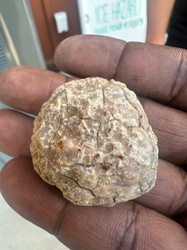
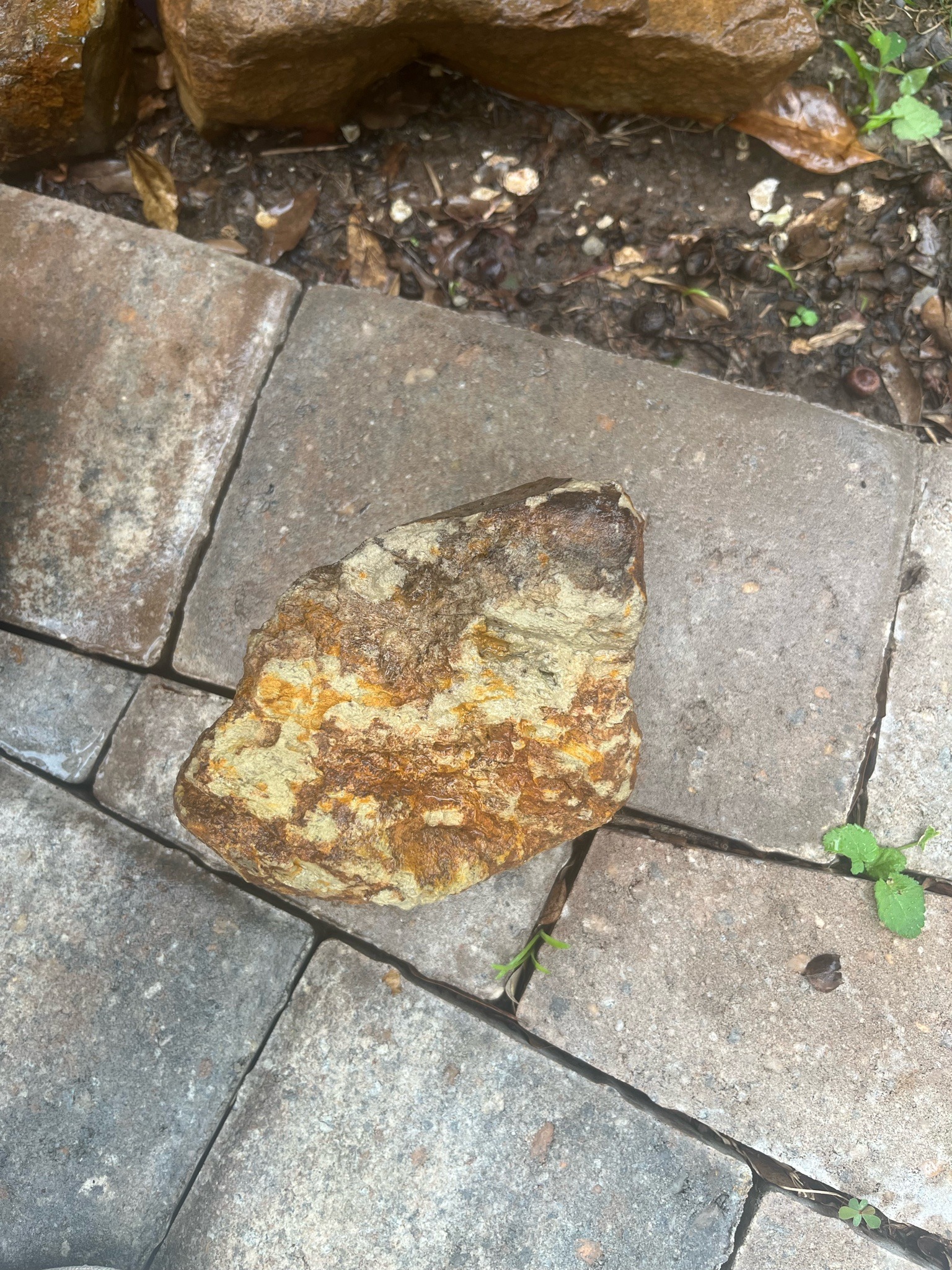
Rough mineral specimen, possibly iron-stained sandstone or limestone

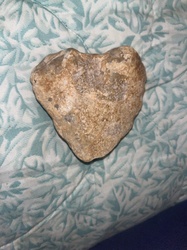
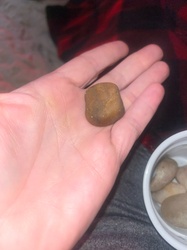
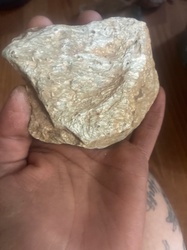
Submitted photo of Rough mineral specimen, possibly iron-stained sandstone or limestone
Photo submitted by the user — not generated by AI

AI Estimated Value

Not an official valuation

$5 - $20

AI estimate as of June 15, 2026 · verify with a professional before acting

AI-Generated · Verify before acting

Everything on this page is generated by AI for informational purposes only. AI can make mistakes — the AI may misidentify items or misattribute them (artist, maker, brand, designer, origin, era). This is not an official valuation and should not be used for insurance, sale, tax, estate, legal, or lending purposes — or any decision requiring a certified appraisal. It is not an authoritative claim about any person, brand, or rights holder — do not share or rely on it as a factual statement about a third party. Always consult qualified professionals before making financial decisions.

Read the full disclaimer

AI Item Analysis

This item is a rough, naturally formed mineral specimen with an irregular, angular shape and a textured surface. The object appears to be a geological specimen, roughly palm-sized, featuring a color palette of muted yellows, ochre, and deep reddish-brown staining, which is consistent with the presence of iron oxide minerals like goethite or hematite. Portions of the rock appear to have a lighter, tan or pale gray matrix, suggestive of a sedimentary origin such as limestone or sandstone. The texture is non-uniform, showing crystalline or granular patches and some pitting. There is a darker, almost blackish area on one corner, possibly representing a different mineral inclusion or organic material. The appearance is consistent with weathered fieldstone rather than a lapidary-worked piece. There are no visible maker's marks, signatures, or engravings, as is typical for naturally occurring geological samples. Due to the lack of physical testing for hardness, streak, or chemical composition, this identification remains as a hypothesis based on visual characteristics. The item rests on a gray concrete paver, which provides a sense of scale, suggesting it is a few inches in length.

AI Appraisal Report

Based on my visual inspection of the provided image, this item appears to be a naturally occurring geological specimen, possibly iron-stained sandstone or limestone. The muted yellow and ochre tones are consistent with iron oxide staining, such as goethite or hematite. However, I cannot verify the mineral composition or origin through a photograph alone; physical testing for hardness, density, and chemical reaction would be necessary to confirm this hypothesis. As a rough, unworked fieldstone, the item lacks the rarity or aesthetic refinement typically sought by high-end mineral collectors. Specimens of this nature are abundant and generally hold minimal commercial value unless they possess rare crystal formations or significant provenance, neither of which are visible here. The valuation reflects the general market for common geological samples sold as educational pieces or decorative garden stones. If this specimen were found to contain a rare mineral inclusion or a fossilized element upon expert laboratory examination, the value could increase, though based on what I can see, it remains a common lithological sample. Because this is a natural object rather than a manufactured or branded piece, there is no risk of it being a 'reproduction' in the traditional sense, but its marketability is entirely dependent on its visual appeal and the specific interest of a local collector. To achieve a more precise valuation, an in-person examination by a geologist or a mineralogist would be required to determine its exact classification.

Keep exploring

More geological specimens appraisals

Get your items appraised

Instant AI-powered appraisal estimates from a photo

Browse More Appraisals