AI Appraisal Estimate

AI-generated estimates · not official valuations

From the user

What was submitted

Photo and notes provided by the user — not generated by AI

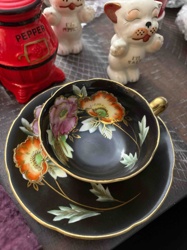
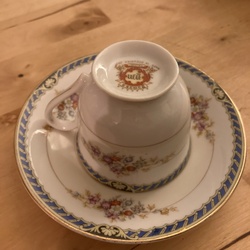
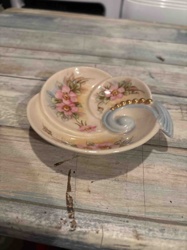
Submitted item photo
Submitted photo · June 8, 2026

User's notes

No additional notes provided.

AI analysis below

AI appraisal

AI analysis & estimate

AI-Generated · Verify before acting

Everything below is generated by AI for informational purposes only. AI can make mistakes — the AI may misidentify items or misattribute them (artist, maker, brand, designer, origin, era). This is not an official valuation and should not be used for insurance, sale, tax, estate, legal, or lending purposes — or any decision requiring a certified appraisal. It is not an authoritative claim about any person, brand, or rights holder — do not share or rely on it as a factual statement about a third party. Always consult qualified professionals before making financial decisions.

Read the full disclaimer

AI Identification

·Not independently authenticated·Verify before acting

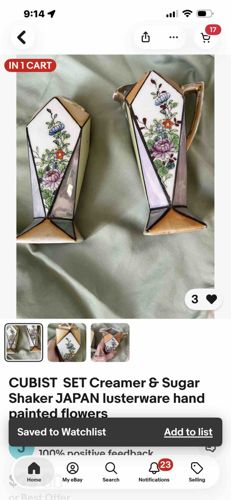
Art Deco Cubist Lusterware Creamer and Sugar Shaker Set

Vintage Ceramics & Collectibles

AI Estimated Value

·Not an official valuation·Verify before acting

$125 - $175

As of June 8, 2026

AI Item Analysis

·AI can make mistakes·Verify before acting
This is a two-piece ceramic set consisting of a small cream pitcher and a sugar shaker, originating from Japan during the Art Deco era (circa 1920s-1930s). The set is characterized by a distinctive 'Cubist' or geometric aesthetic, featuring sharp, angular facets and a tapering, kite-shaped body that rests on a flared rectangular pedestal base. Each piece is crafted from fine porcelain and finished with a multi-colored luster glaze that provides an iridescent metallic sheen. The primary color palette includes soft pastels of lavender, cream, and pale yellow, accented by bold black outlining that defines the geometric panels. The central panel of each piece showcases hand-painted floral motifs featuring chrysanthemums and foliage in vibrant blues, purples, and oranges. The creamery features an angular handle with gold-tone gilding, which is also applied to the rim and base. Notable condition issues include visible wear to the gilded edges and surface abrasions consistent with age, though no major chips or cracks are immediately apparent in the provided images. This set exemplifies the 'Made in Japan' export period, blending traditional Japanese floral artistry with the then-modern European influence of the Art Deco movement.
AI Appraisal Report

·AI can make mistakes·Verify before acting
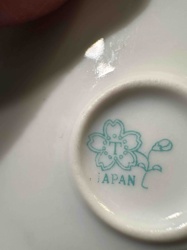
I have virtually examined this two-piece Japanese lusterware set, consisting of a cubist-form creamer and sugar shaker. The set is a classic example of the 'Nippon' export era, specifically the 1920s-1930s Art Deco movement. Authenticity is supported by the specific angular geometry and ‘kite’ silhouettes popular in Marutaki or Noritake-style exports of that period. The hand-painted chrysanthemum motifs against the iridescent luster glaze are characteristic of the high-volume yet high-quality production typically marked 'Made in Japan' or 'Hand Painted Japan'. Condition-wise, I note significant rubbing to the gold-tone gilding on the handles and rims, which is common for lusterware of this age due to the delicate nature of the overglaze. While no structural chips are visible, the surface abrasions on the lavender panels suggest frequent handling. This wear moderately suppresses the value, as collectors of Art Deco ceramics prioritize ‘mint’ luster sheen. The market for Japanese Art Deco remains stable but has softened from its peak in the early 2000s. Comparables for smaller utility sets like this typically sell within the $100 to $200 range at specialty auctions. The rarity here is slightly elevated by the distinctive cubist shape, which is more desirable than standard rounded forms. Limitations: This appraisal is based on visual data alone. Full authentication requires an in-person inspection of the underside backstamps to identify the specific kiln or exporter. I would also need to check for professional restorations under UV light, as high-end lusterware is often invisibly repaired. Provenance documentation regarding the original import would further solidify this valuation.

Get your items appraised

Instant estimates of your treasures with AI-powered appraisals

Browse More Appraisals