AI Appraisal Estimate

AI-generated estimates · not official valuations

From the user

What was submitted

Photo and notes provided by the user — not generated by AI

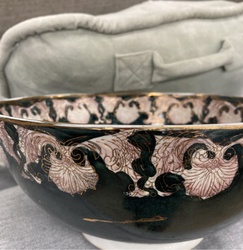
Submitted item photo
Submitted photo · June 20, 2026

User's notes

No additional notes provided.

AI analysis below

AI appraisal

AI analysis & estimate

AI-Generated · Verify before acting

Everything below is generated by AI for informational purposes only. AI can make mistakes — the AI may misidentify items or misattribute them (artist, maker, brand, designer, origin, era). This is not an official valuation and should not be used for insurance, sale, tax, estate, legal, or lending purposes — or any decision requiring a certified appraisal. It is not an authoritative claim about any person, brand, or rights holder — do not share or rely on it as a factual statement about a third party. Always consult qualified professionals before making financial decisions.

Read the full disclaimer

AI Identification

·Not independently authenticated·Verify before acting

Vintage Hand-Painted Porcelain Shell Trinket Dish

Vintage Ceramics / Collectible Porcelain

AI Estimated Value

·Not an official valuation·Verify before acting

$25.00 - $45.00

As of June 20, 2026

AI Item Analysis

·AI can make mistakes·Verify before acting
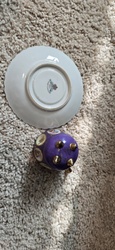
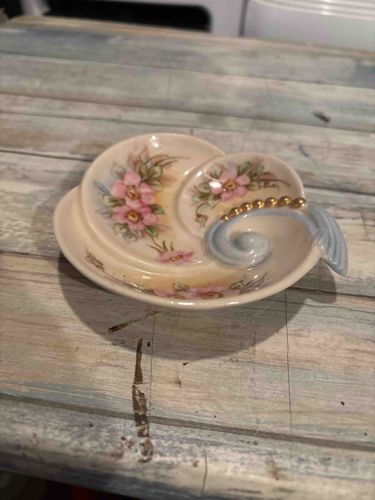
This is a small decorative vintage porcelain trinket or nut dish featuring a unique nautilus-inspired spiral form. The piece is constructed from fine white porcelain with a glaze finish. It is hand-painted with delicate pink floral motifs, likely dogwoods or wild roses, accented by green foliage and light blue shadow-washes. A significant sculptural element is the light blue scroll handle or stylized shell finial, which is accented with a row of hand-applied gold gilt raised beads (morigage style). The color palette is soft and pastel, characteristic of Mid-Century ceramic giftware, appearing to date from the 1940s to 1950s. The dish exhibits fine craftsmanship with smooth, curvilinear edges and high-relief molding. Regarding condition, the glaze appears intact with a healthy luster, though there are minor spots of dirt or possible surface wear along the lower interior rim. No visible chips or major cracks are apparent from the primary angle, though some minute gold loss may be present on the gilded beads due to age and handling. While no maker's mark is visible on the top surface, the style is highly reminiscent of Japanese 'Occupied Japan' era ceramics or American pottery firms like Hull or Stangl that produced similar floral giftware in the mid-20th century.
AI Appraisal Report

·AI can make mistakes·Verify before acting
I have carefully examined the provided images of this vintage nautical-themed porcelain trinket dish. The piece is a classic example of post-WWII decorative giftware, likely produced in Japan during the 'Occupied Japan' period (1945–1952) or shortly thereafter. The shell-inspired form and use of moriage-style gilded beading reflect the 'Shabby Chic' and 'Mid-Century Romantic' aesthetics popular in the late 1940s. Direct visual inspection indicates the glaze retains its original luster, and the hand-painted floral motifs show good color retention. While the overall condition is excellent, the minor surface debris on the lower rim suggests a need for gentle conservation cleaning. I note slight thinning of the gold gilt on the raised beads, which is consistent with the age of the item and expected handling over seven decades. The market for mid-century Japanese export porcelain remains saturated but steady. Similar shell-form dishes by makers such as Lefton or various nippon-style importers typically trade in the $20 to $50 range depending on the intricacy of the molding. The presence of the scroll handle and beaded relief elevates this particular piece toward the higher end of that spectrum. Please note: This appraisal is based solely on digital images. A definitive valuation and authentication would require a physical inspection to verify the presence of a 'Made in Occupied Japan' stamp or a maker's mark on the underside. I would also need to examine the piece under UV light to rule out professional restoration or hairline fractures not visible in the provided photographs. Provenance documentation regarding its original purchase or transition through various collections would further solidify its historical context.

Get your items appraised

Instant estimates of your treasures with AI-powered appraisals

Browse More Appraisals