AI Appraisal Estimate

AI-generated estimates · not official valuations

From the user

What was submitted

Photo and notes provided by the user — not generated by AI

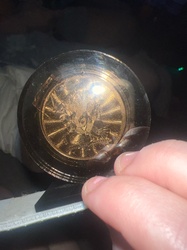
Submitted item photo
Submitted photo · June 3, 2026

User's notes

No additional notes provided.

AI analysis below

AI appraisal

AI analysis & estimate

AI-Generated · Verify before acting

Everything below is generated by AI for informational purposes only. AI can make mistakes — the AI may misidentify items or misattribute them (artist, maker, brand, designer, origin, era). This is not an official valuation and should not be used for insurance, sale, tax, estate, legal, or lending purposes — or any decision requiring a certified appraisal. It is not an authoritative claim about any person, brand, or rights holder — do not share or rely on it as a factual statement about a third party. Always consult qualified professionals before making financial decisions.

Read the full disclaimer

AI Identification

·Not independently authenticated·Verify before acting

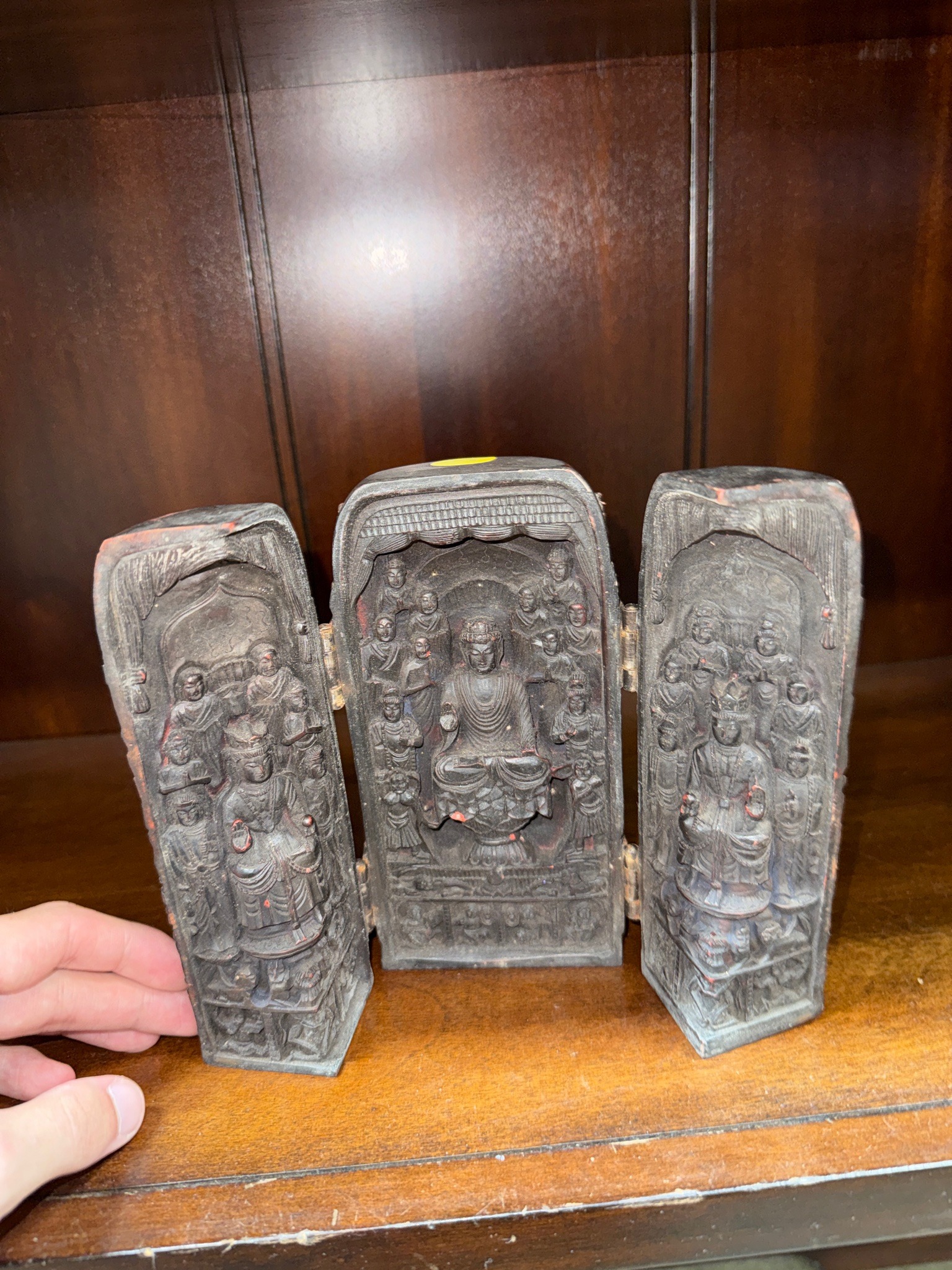
East Asian-style carved portable triptych shrine

Religious Art & Artifacts

AI Estimated Value

·Not an official valuation·Verify before acting

$400 - $800

As of June 3, 2026

AI Item Analysis

·AI can make mistakes·Verify before acting
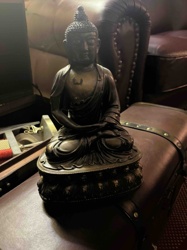
This object appears to be a small, portable Buddhist triptych shrine, featuring deeply carved relief figures within a folding three-panel format. Stylistically consistent with Chinese or Japanese Buddhist art, the central panel depicts a seated Buddha on a lotus throne, surrounded by numerous smaller celestial or attendant figures. The flanking hinged wings feature similar high-relief carvings of Bodhisattvas and other deities. The piece is crafted from a dark, dense material that appears to be wood or possibly a resin composite, with a textured, aged finish. There are visible traces of red pigment or lacquer in the crevices, which is a detail consistent with East Asian decorative traditions. The construction includes small metal hinges that allow the shrine to be closed into a single rectangular block. Visible condition issues include significant dust accumulation in the deep carvings, minor surface abrasions, and some possible loss to the outer edges of the frame. No maker's marks, signatures, or inscriptions are visible in the provided image. Due to the absence of markings, this identification is based on stylistic observation and is subject to in-person material analysis to determine if it is a truly vintage carved piece or a modern production made in a traditional style.
AI Appraisal Report

·AI can make mistakes·Verify before acting
Based on the visual evidence, this object appears to be a portable Buddhist triptych shrine, likely crafted in the East Asian tradition. From what I can see, the high-relief carvings and the presence of residual red pigment suggest a piece intended to mimic traditional Buddhist liturgical objects. The value of $400 - $800 represents the estimated market range for a vintage carved wood triptych of this complexity, assuming the material is indeed natural wood rather than a molded composite. I cannot verify the material or the exact age from a photo alone; a physical inspection is required to determine if the dark patina is the result of natural aging or an applied finish. The presence of metal hinges and the specific style of carving are consistent with late 19th to mid-20th-century production, though modern high-quality reproductions exist. In the current market, there is steady demand for religious artifacts of this type, but value is heavily dependent on the craftsmanship and material integrity. If a physical examination were to reveal that this is a modern resin casting or a contemporary 'in the style of' production, the value would likely decrease to the $50 - $125 range. To confirm this hypothesis and reach a more precise valuation, one would need to inspect the grain of the material under magnification, check for tool marks versus mold lines, and provide any available provenance documentation. The current estimate reflects the item's decorative appeal and complexity, pending scientific testing or expert material analysis to confirm it is a carved wood antique rather than a later copy or reproduction. General market trends for Asian religious art suggest that pieces with visible wear and traditional iconography hold better value in an auction setting if the construction is verified as artisanal/hand-carved.

Get your items appraised

Instant estimates of your treasures with AI-powered appraisals

Browse More Appraisals