AI Appraisal Estimate

AI-generated estimates · not official valuations

From the user

What was submitted

Photo and notes provided by the user — not generated by AI

Submitted item photo
Submitted photo · June 8, 2026

User's notes

No additional notes provided.

AI analysis below

AI appraisal

AI analysis & estimate

AI-Generated · Verify before acting

Everything below is generated by AI for informational purposes only. AI can make mistakes — the AI may misidentify items or misattribute them (artist, maker, brand, designer, origin, era). This is not an official valuation and should not be used for insurance, sale, tax, estate, legal, or lending purposes — or any decision requiring a certified appraisal. It is not an authoritative claim about any person, brand, or rights holder — do not share or rely on it as a factual statement about a third party. Always consult qualified professionals before making financial decisions.

Read the full disclaimer

AI Identification

·Not independently authenticated·Verify before acting

Dutch Hanau-Style Silver-Plate Ornate Serving Set

Antiques & Collectibles - Flatware/Decorative Arts

AI Estimated Value

·Not an official valuation·Verify before acting

$45 - $75

As of June 8, 2026

AI Item Analysis

·AI can make mistakes·Verify before acting
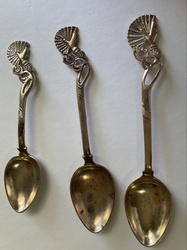
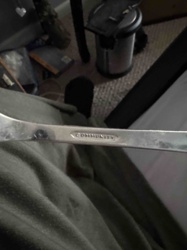
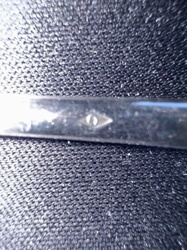
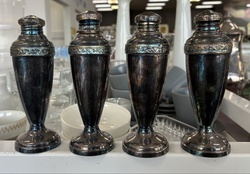
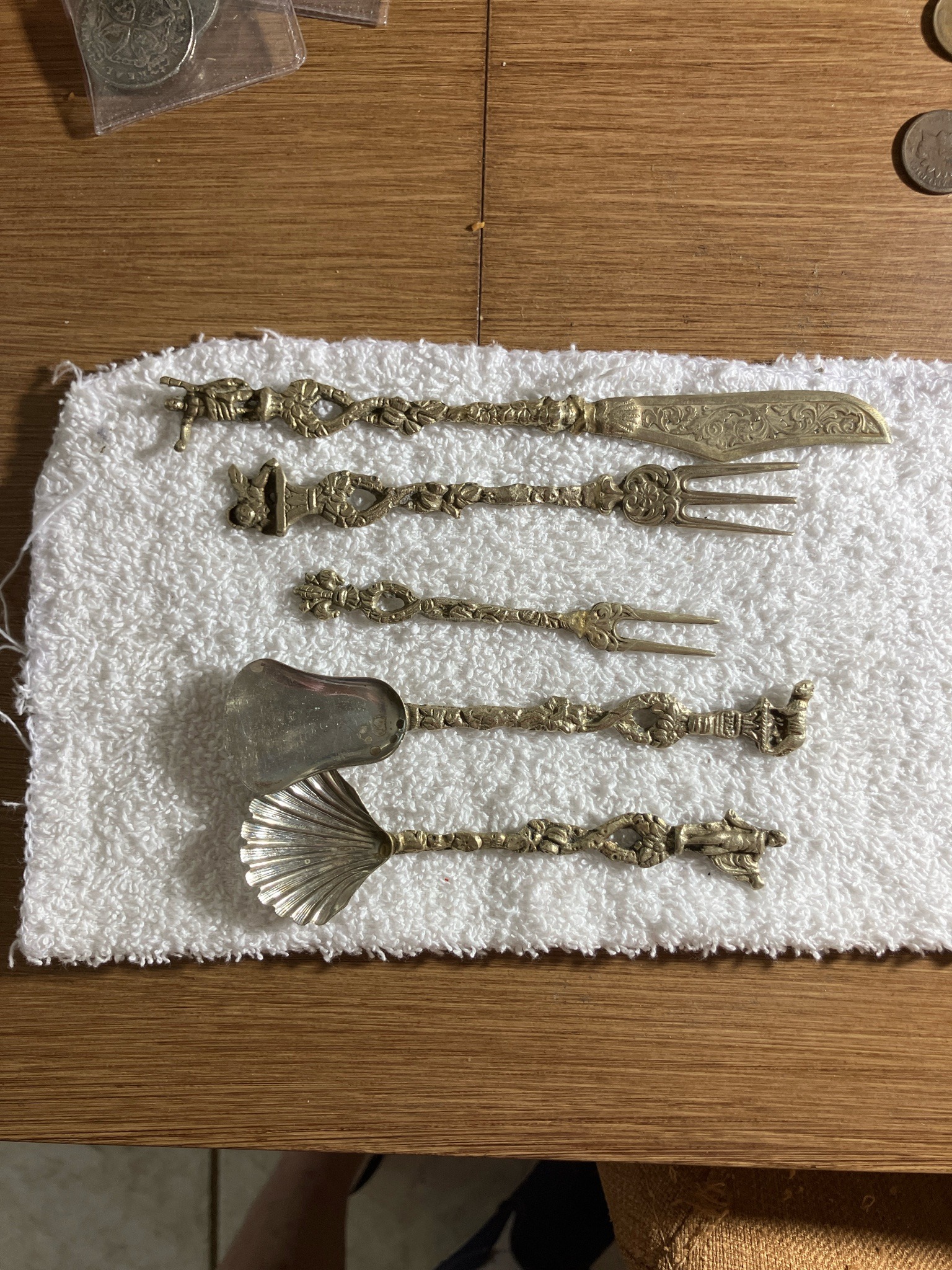
This is a five-piece ornate serving set likely crafted in the Dutch or German Hanau-style tradition. The collection includes a butter/pate knife with a curved, etched blade, a three-pronged cold meat fork, a two-pronged pickle fork, a flat-head shovel-style sugar sifter or server, and a scallop-shell shaped spoon. The materials appear to be silver-plated metal, displaying a muted, yellowish-grey patina indicative of tarnishing and age. Each piece features a highly decorative cast handle with baroque or rococo elements, including scrolled vine work, floral motifs, and figural terminal finials depicting classic characters (possibly 'Apostle' or 'Dutch Folk' style figures). The knife blade shows some surface scratching and wear to the decorative etching, while the flat server head shows minor pitting and distinct staining. The construction is typical of late 19th to early 20th-century revival styles (circa 1880-1920), where cast components were joined to stamped heads. The craftsmanship represents a decorative mass-market aesthetic intended for formal tea or appetizer services. No hallmark is visible in the image, but the color suggests a high-quality base metal with electroplated silver.
AI Appraisal Report

·AI can make mistakes·Verify before acting
I have carefully examined the provided images of this five-piece serving set. The collection exhibits characteristic traits of Hanau-style revival ware from the late 19th to early 20th century. Based on the yellowish-grey patina and the visible pitting on the sugar sifter, I have determined these pieces are silver-plated rather than solid (.800 or .925) silver. The craftsmanship features typical cast figural finials and rococo scrolls joined to stamped functional ends. The condition is fair to good; there is notable surface wear, oxidation, and scratches consistent with frequent use in a domestic setting. The market for silver-plated 'Hanau-style' flatware is currently soft, as modern collectors prioritize solid silver or functional stainless steel. These items are viewed primarily as decorative 'curiosity' pieces rather than investment-grade antiques. Comparable sets of silver-plated serving utensils frequently sell at auction or in secondary markets for under $100. The lack of visible hallmarks further limits the value, as the maker cannot be identified to a specific German or Dutch workshop known for higher-quality repoussé. Limitations: My assessment is based solely on digital images. Without physical inspection, I cannot perform an acid test to definitively rule out a low-grade silver alloy or examine the handles for 'weighted' fills. Full authentication would require a magnifying loupe to search for microscopic 'EPNS' or maker's marks, a weight measurement, and provenance documentation. A professional cleaning could reveal the base metal more clearly, but would not significantly alter the market value given the lack of precious metal content.

Get your items appraised

Instant estimates of your treasures with AI-powered appraisals

Browse More Appraisals