AI Appraisal Estimate

AI-generated estimates · not official valuations

From the user

What was submitted

Photo and notes provided by the user — not generated by AI

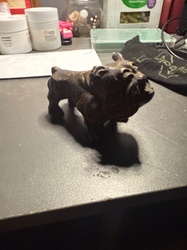
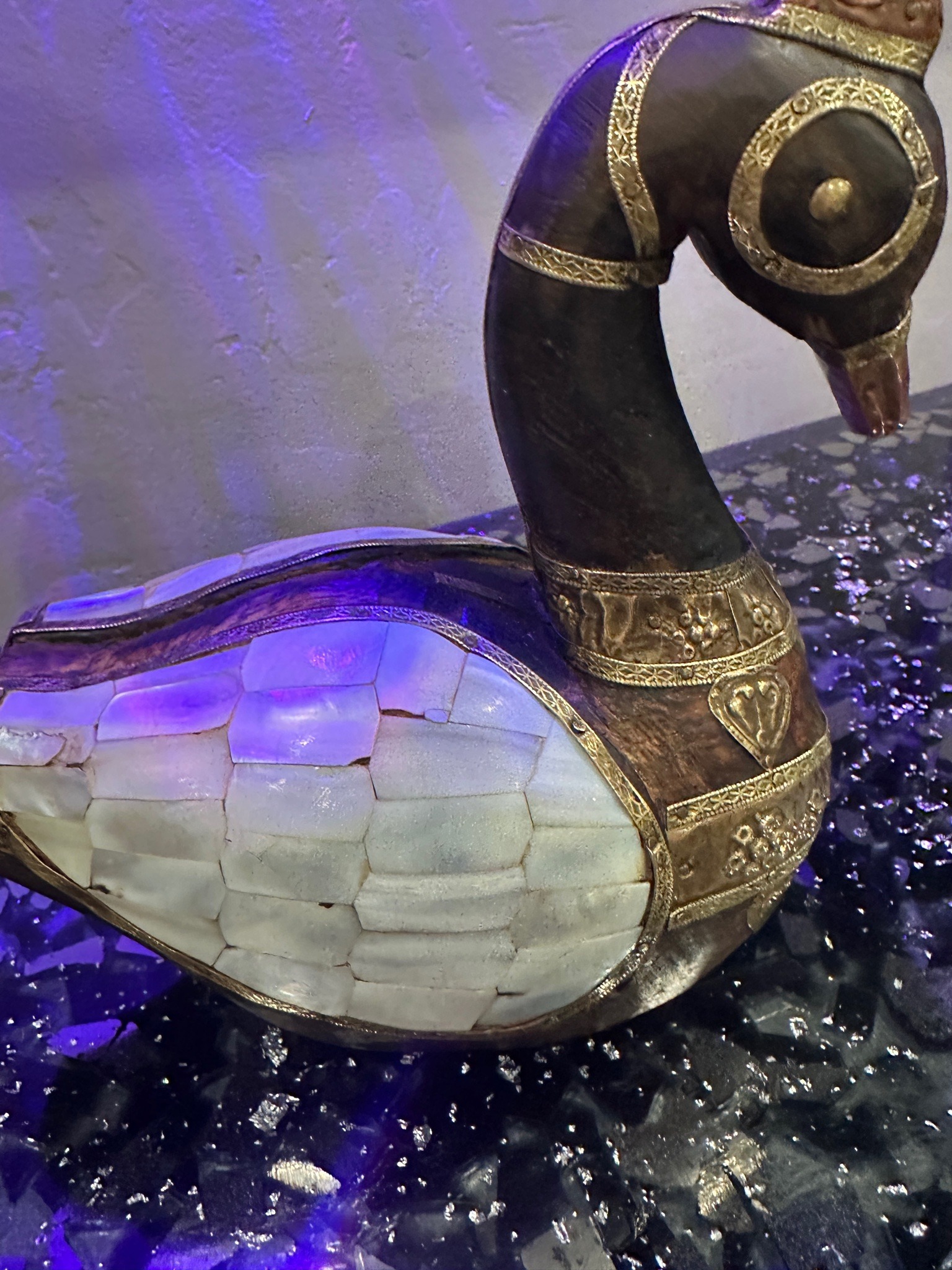
Submitted item photo
Submitted photo · May 26, 2026

User's notes

No additional notes provided.

AI analysis below

AI appraisal

AI analysis & estimate

AI-Generated · Verify before acting

Everything below is generated by AI for informational purposes only. AI can make mistakes — the AI may misidentify items or misattribute them (artist, maker, brand, designer, origin, era). This is not an official valuation and should not be used for insurance, sale, tax, estate, legal, or lending purposes — or any decision requiring a certified appraisal. It is not an authoritative claim about any person, brand, or rights holder — do not share or rely on it as a factual statement about a third party. Always consult qualified professionals before making financial decisions.

Read the full disclaimer

AI Identification

·Not independently authenticated·Verify before acting

Decorative goose figurine in the Indo-Persian or Mughal style

Decorative Arts and Collectibles

AI Estimated Value

·Not an official valuation·Verify before acting

$400 - $700

As of May 26, 2026

AI Item Analysis

·AI can make mistakes·Verify before acting
This decorative object is a stylized representation of a goose or waterfowl, displaying craftsmanship consistent with South Asian or Indo-Persian decorative arts. The piece appears to be constructed from a dark, possibly carved wood or high-density composite base, embellished with tessellated white mother-of-pearl or shell tiles on the body. These tiles appear to be hand-fitted and secured with a dark adhesive or grout visible in the seams. The figurine features decorative metal banding—likely brass or a similar alloy—with repoussé and chased detailing involving floral and geometric motifs. Notable metalwork includes bands around the neck, an ornate collar with a heart-shaped emblem, and decorative framing around the eye and head. The shell inlay shows some visible age-related wear, with slight discoloration and small gaps in the tessellation. The dark surface of the head and neck shows a naturalistic patina and some superficial scratches. No maker's marks or signatures are visible in the provided image; as such, any attribution to a specific workshop or era remains a hypothesis based on its stylistic profile, which is consistent with early-to-mid 20th-century decorative export ware. The overall construction suggests a piece designed for display, utilizing traditional inlay techniques.
AI Appraisal Report

·AI can make mistakes·Verify before acting
I have evaluated the provided image of a decorative goose figurine featuring mother-of-pearl inlay and metal banding. Based on what I can see, the piece reflects a style consistent with Indo-Persian or Mughal-inspired decorative arts, possibly originating as mid-20th-century export ware. The value range of $400 - $700 is predicated on the hypothesis that the materials are genuine mother-of-pearl and hand-worked brass over a carved wood or composite core. The intricate tessellation and repoussé metalwork suggest a high level of manual labor, which generally supports value in the decorative arts market. However, I cannot verify from a photo whether the inlay is natural shell or a synthetic substitute, nor can I confirm the metal's composition without physical testing. The visible age-related wear, including gaps in the tessellation and surface scratches, has been factored into this estimate. The market for South Asian-style decorative objects remains steady among collectors of 'Grand Tour' style decor, though demand fluctuates based on the quality of execution. A physical inspection by a specialist would be required to confirm the age and material integrity. If this item were determined to be a modern mass-produced resin reproduction or if the 'shell' is found to be plastic, the value would likely drop below $100. Conversely, if it were documented as a 19th-century piece with verifiable provenance, the value could exceed the current estimate. Further verification would include testing the adhesive, inspecting the underside for markings, and confirming the metal alloy through XRF analysis or similar non-destructive methods.

Get your items appraised

Instant estimates of your treasures with AI-powered appraisals

Browse More Appraisals