AI Appraisal Estimate

AI-generated estimates · not official valuations

From the user

What was submitted

Photo and notes provided by the user — not generated by AI

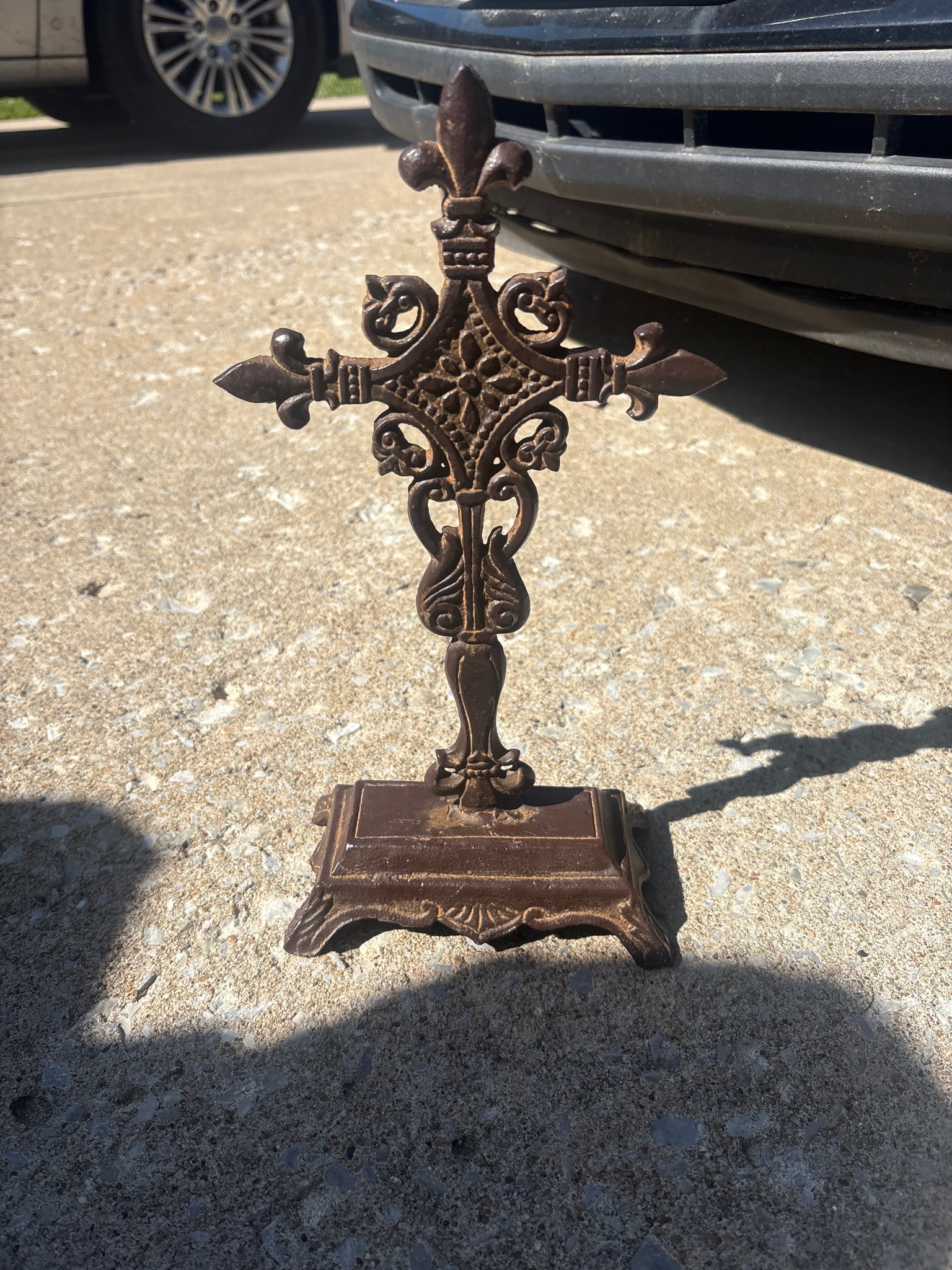
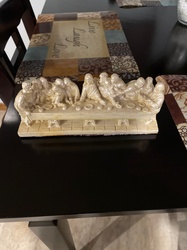
Submitted item photo
Submitted photo · June 30, 2026

User's notes

No additional notes provided.

AI analysis below

AI appraisal

AI analysis & estimate

AI-Generated · Verify before acting

Everything below is generated by AI for informational purposes only. AI can make mistakes — the AI may misidentify items or misattribute them (artist, maker, brand, designer, origin, era). This is not an official valuation and should not be used for insurance, sale, tax, estate, legal, or lending purposes — or any decision requiring a certified appraisal. It is not an authoritative claim about any person, brand, or rights holder — do not share or rely on it as a factual statement about a third party. Always consult qualified professionals before making financial decisions.

Read the full disclaimer

AI Identification

·Not independently authenticated·Verify before acting

Cast Iron Fleur-de-lis Standing Cross

Religious Decorative Arts

AI Estimated Value

·Not an official valuation·Verify before acting

$45–$75

As of June 30, 2026

AI Item Analysis

·AI can make mistakes·Verify before acting
This item is a decorative standing cross featuring a prominent fleur-de-lis motif. The object is constructed from cast iron and finished in a deep chocolate brown or bronze-colored paint that exhibits a matte, slightly grainy texture characteristic of sand-cast metalwork. The design is highly ornate, featuring a central diamond-shaped quadrant with a floral relief pattern, flanked by scrolling filigree and fleur-de-lis finials at the top and crossbeams. The vertical shaft transitions into more classical organic curves before meeting a tiered, rectangular pedestal base which is supported by small, shaped feet. Regarding condition, there is several areas of light surface wear, particularly along the raised edges and the base, where the underlying metal or a lighter patina is becoming visible. There are also small remnants of dirt and environmental debris trapped within the ornate crevices, suggesting it may have been used as a garden or exterior ornament. While styled with a Gothic or Victorian Revival aesthetic, the uniform appearance and mold quality suggest it is a contemporary mass-produced decorative piece, likely manufactured within the last 20 to 30 years rather than being a true antique. The craftsmanship is solid but functional, typical of home decor meant for residential display.
AI Appraisal Report

·AI can make mistakes·Verify before acting
Upon visual examination of this cast iron fleur-de-lis standing cross, I have determined the piece to be a contemporary decorative item, likely manufactured as a home or garden accent within the last 20-30 years. The item displays a stylistic blend of Gothic and Victorian Revivalism; however, the uniformity of the casting and the nature of the matte bronze-tone finish indicate modern mass-production techniques rather than historical artisan foundry work. The condition is fair to good, with visible oxidation and wear consistent with outdoor exposure or display in high-moisture environments. The accumulation of debris in the ornate recesses slightly detracts from its immediate aesthetic appeal but confirms its utilitarian nature as a durable cast iron object. The market for such items is high in volume but low in individual rarity, as similar items are widely available through home decor boutiques and garden centers. Comparable sales for non-antique cast iron religious statuary of this size and complexity typically fall within the sub-$100 range. Key value drivers include its substantial weight and the popularity of the fleur-de-lis motif. Please note that this appraisal is based on photographic evidence only; a physical inspection would be required to rule out structural repairs or to identify specific manufacturer marks that may be obscured by the finish. In-person testing for lead-based paint or metallurgical analysis could further clarify the exact age, though the current visual markers strongly suggest a late 20th to early 21st-century origin. No documentation of provenance was provided, which reinforces the valuation as a decorative rather than historical asset.

Get your items appraised

Instant estimates of your treasures with AI-powered appraisals

Browse More Appraisals