AI identification & appraisal estimate

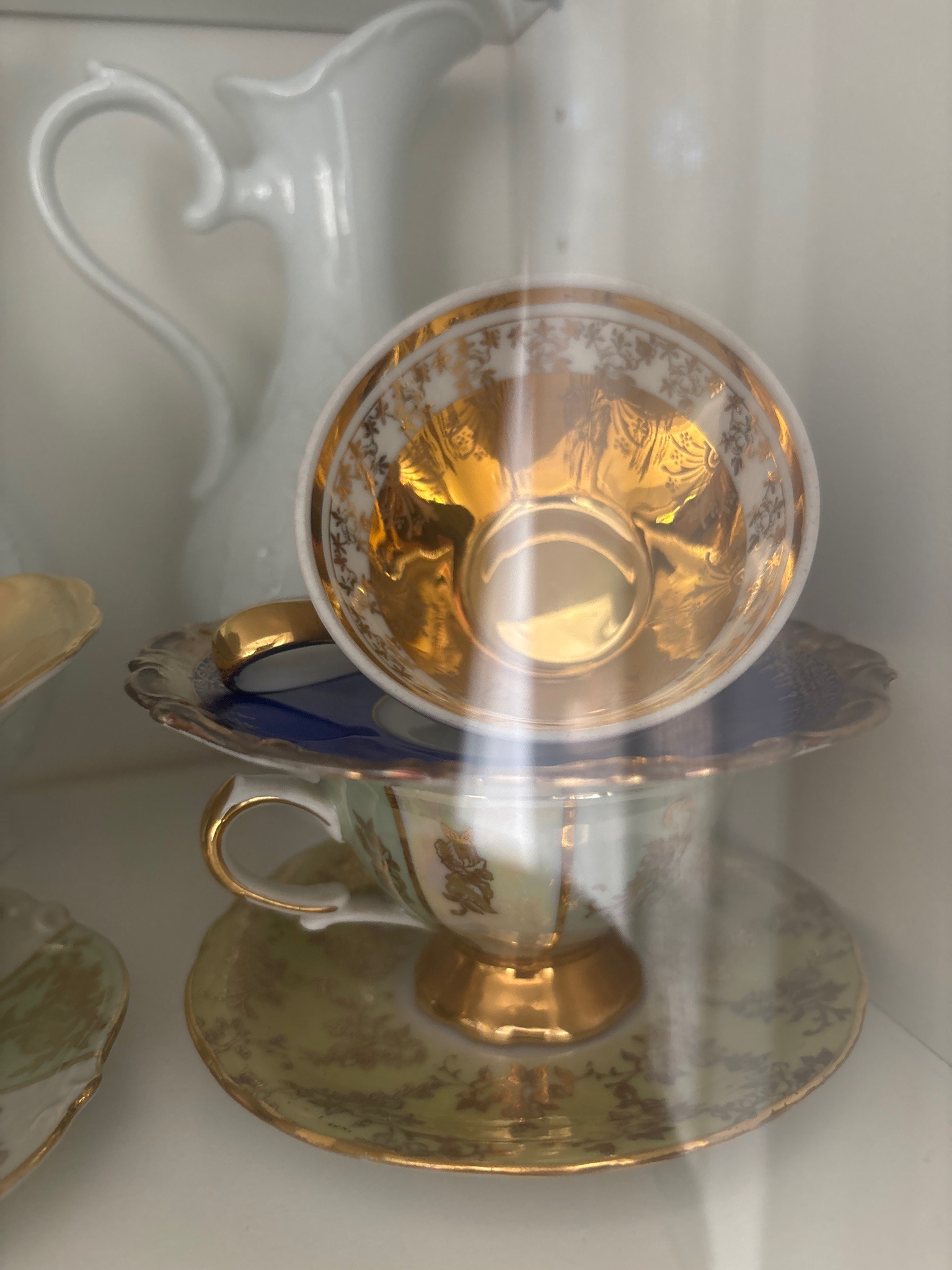
Decorative porcelain teacups and saucers in the Rococo revival style

This name is the AI's identification of the item — it may be incorrect.

Submitted photo of Decorative porcelain teacups and saucers in the Rococo revival style
Photo submitted by the user — not generated by AI

AI Estimated Value

Not an official valuation

$150 - $350

AI estimate as of June 15, 2026 · verify with a professional before acting

AI-Generated · Verify before acting

Everything on this page is generated by AI for informational purposes only. AI can make mistakes — the AI may misidentify items or misattribute them (artist, maker, brand, designer, origin, era). This is not an official valuation and should not be used for insurance, sale, tax, estate, legal, or lending purposes — or any decision requiring a certified appraisal. It is not an authoritative claim about any person, brand, or rights holder — do not share or rely on it as a factual statement about a third party. Always consult qualified professionals before making financial decisions.

Read the full disclaimer

AI Item Analysis

A pair of stacked decorative porcelain teacups and saucers displayed behind glass. The top cup features a highly reflective, polished gold-tone gilded interior with a cream-colored outer rim decorated with a delicate grey or silver floral scroll motif. It rests upon a saucer with a deep cobalt blue border and a scalloped, gilded edge. Below this, a second teacup is visible, featuring a light sage or pale yellow iridescent glaze, vertical ribbing, and a footed base in a gold-tone finish. This lower cup is decorated with a transfer-ware or hand-painted cherub or figurative motif in bronze tones. The accompanying bottom saucer shares the pale yellow/green iridescent finish with intricate floral gilding throughout. These pieces appear stylistically consistent with mid-20th-century European porcelain, such as works by Bavarian or Limoges manufacturers, though no maker's marks are visible to provide a specific attribution. The craftsmanship suggests a high level of decorative detail with extensive application of gilding and lustrous finishes. The condition appears well-maintained with no obvious chips or cracks visible through the glass, though minor surface wear to the gilt edges is common for items of this style. Identification is based on visual characteristics and remain unverified without physical inspection of the undersides for stamps or signatures.
AI Appraisal Report

Based on my visual analysis of the provided image, I have evaluated these two decorative porcelain teacups and saucers. Based on what I can see, the pieces exhibit characteristics consistent with mid-20th-century European Rococo Revival decorative wares, potentially from Bavarian or Limoges-region manufacturers. The use of heavy gilding, iridescent glazes, and figurative motifs suggests a high level of decorative craftsmanship. However, I cannot verify the specific manufacturer or age from a photo, as the undersides and potential maker's marks are not visible. My estimate of $150 to $350 covers the pair as high-quality decorative cabinet pieces. The value is based on the assumption that these are mid-century European porcelains in excellent condition; if physical inspection were to reveal chips, significant gilt loss, or if they are determined to be modern mass-produced replicas, the value would likely drop below $50. Conversely, if they bear marks from a prestigious maker like Dresden or a specific sought-after Limoges studio, the value could exceed the current range. In the current market, there is a steady demand for such 'cabinet cups' among collectors of traditional European ceramics, though the lack of a verified provenance or signature limits the ceiling. To provide a more precise valuation, an in-person examination is necessary to inspect the porcelain body for translucency, check the application of the motifs for hand-painting versus transfers, and verify any hallmarks or stamps against known manufacturer catalogs. This appraisal should be treated as a working hypothesis subject to physical verification of the items' origins and structural integrity outside of the display case. Without such verification, the pieces are valued as decorative objects in the style of 18th-century Rococo porcelain. Such items often sell based on their aesthetic appeal rather than historical rarity.

Keep exploring

More ceramics and porcelain appraisals

Get your items appraised

Instant AI-powered appraisal estimates from a photo

Browse More Appraisals