AI Appraisal Estimate

AI-generated estimates · not official valuations

From the user

What was submitted

Photo and notes provided by the user — not generated by AI

Submitted item photo
Submitted photo · June 23, 2026

User's notes

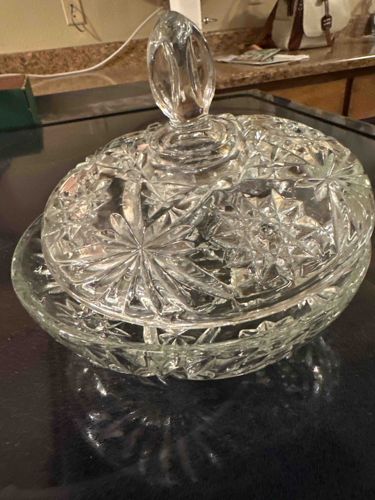
Clear etched candy dish with lid. Multiple designs around the perimeter of both the lid and the bowl.

AI analysis below

AI appraisal

AI analysis & estimate

AI-Generated · Verify before acting

Everything below is generated by AI for informational purposes only. AI can make mistakes — the AI may misidentify items or misattribute them (artist, maker, brand, designer, origin, era). This is not an official valuation and should not be used for insurance, sale, tax, estate, legal, or lending purposes — or any decision requiring a certified appraisal. It is not an authoritative claim about any person, brand, or rights holder — do not share or rely on it as a factual statement about a third party. Always consult qualified professionals before making financial decisions.

Note

This analysis also relies on unverified notes provided by the user, which may be incomplete or inaccurate and could affect the result.

Read the full disclaimer

AI Identification

·Not independently authenticated·Verify before acting

Vintage Pressed Glass Starburst Pattern Lidded Candy Dish

Vintage Glassware & Collectibles

AI Estimated Value

·Not an official valuation·Verify before acting

$25.00 - $45.00

As of June 23, 2026

AI Item Analysis

·AI can make mistakes·Verify before acting
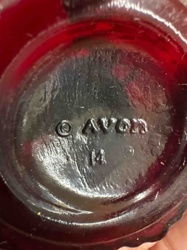
This is a circular lidded candy dish or bonbonniere crafted from heavy, clear pressed glass. The item features a prominent repeating starburst or hobstar motif, characteristic of Early American Presced Glass (EAPG) styles from the early-to-mid 20th century. The lid is domed and topped with a solid glass teardrop or flame-shaped finial that provides a sturdy grip. Both the bowl and the lid are adorned with deep geometric pressings that mimic the refractive qualities of cut crystal, creating a faceted surface that catches light brilliantly. The patterns consist of large multi-point stars surrounded by smaller diamond-cut textures. Physically, the glass appears thick and durable with a high level of clarity. This piece exhibits typical mid-century glass manufacturing techniques, where molten glass was poured into intricate molds to achieve the ornate detailing. The condition appears to be excellent with no visible cracks, large chips, or significant clouding (sickness) in the glass. There is a light natural patina of dust and surface oils, but the glass retains its high luster. The base of the bowl shows a slight thickness indicative of quality pressing. While no maker's mark is immediately visible in the image, the style is reminiscent of patterns from manufacturers like Hazel-Atlas, Anchor Hocking, or Federal Glass. The proportions are balanced, making it a classic example of decorative functional glassware intended for tabletop display.
AI Appraisal Report

·AI can make mistakes·Verify before acting
I have examined the digital images and descriptions of this lidded candy dish. This piece is a quintessential example of mid-20th-century Early American Presced Glass (EAPG) revival, likely produced between 1940 and 1960. The starburst and hobstar geometry suggests manufacturers such as Anchor Hocking or Indiana Glass. Based on my visual inspection, the item is in excellent vintage condition; the absence of 'glass sickness' (clouding) and the crispness of the finial indicate well-maintained storage. The deep pressings successfully mimic the refractive index of true cut crystal, though mold seams—visible upon magnification—confirm its pressed origin. The market for mid-century clear glassware is currently saturated, as these items were mass-produced for the burgeoning middle-class tabletop market. Similar comparables from Federal Glass or Hazel-Atlas frequently sell within the $20 to $40 range at antique malls and online auctions. The 'Teardrop' style finial adds a slight premium to the aesthetic appeal, placing this towards the higher end of its category. Limitations: My assessment is based on photographic evidence. I cannot definitively verify the manufacturer without a physical inspection for acid-etched marks or specific mold numbers usually found on the base. To confirm high-lead content (crystal) versus soda-lime glass, an in-person 'ring test' or UV light exposure would be required. Furthermore, a physical examination is necessary to check for 'flea bites' or micro-chips along the inner rim where the lid meets the bowl, which would reduce the value by 30-50%. Provenance documentation regarding its original purchase or manufacturer catalogs would be required for a formal authentication of the specific pattern name.

Get your items appraised

Instant estimates of your treasures with AI-powered appraisals

Browse More Appraisals