AI Appraisal Estimate

AI-generated estimates · not official valuations

From the user

What was submitted

Photo and notes provided by the user — not generated by AI

Submitted item photo
Submitted photo · June 23, 2026

User's notes

No additional notes provided.

AI analysis below

AI appraisal

AI analysis & estimate

AI-Generated · Verify before acting

Everything below is generated by AI for informational purposes only. AI can make mistakes — the AI may misidentify items or misattribute them (artist, maker, brand, designer, origin, era). This is not an official valuation and should not be used for insurance, sale, tax, estate, legal, or lending purposes — or any decision requiring a certified appraisal. It is not an authoritative claim about any person, brand, or rights holder — do not share or rely on it as a factual statement about a third party. Always consult qualified professionals before making financial decisions.

Read the full disclaimer

AI Identification

·Not independently authenticated·Verify before acting

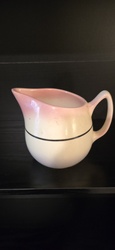
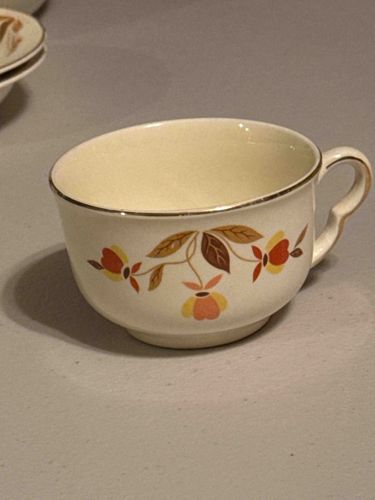
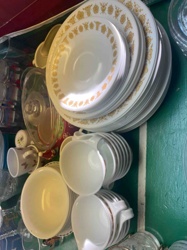
Mid-Century Modern Ceramic Teacup with Autumn Leaf Pattern

Vintage Tableware / Kitchenware

AI Estimated Value

·Not an official valuation·Verify before acting

$15-$25

As of June 23, 2026

AI Item Analysis

·AI can make mistakes·Verify before acting
This is a vintage ceramic teacup, likely dating from the 1960s to early 1970s, featuring a characteristic Mid-Century Modern aesthetic. The cup is constructed from a cream-colored earthenware or stoneware with a smooth glaze. Its silhouette is relatively low and wide with a subtly flared rim and a small pedestal foot. A distinctive 'C' shaped handle with a slight finger rest at the top and a decorative scroll profile is attached to the side. The exterior design consists of a stylized autumnal floral and leaf motif. The color palette includes shades of mustard yellow, burnt orange, and chocolate brown, which are emblematic of late mid-century interior design trends. A thin metallic gold-tone line trims the upper rim of the cup, adding a touch of elegance. While maker's marks are not visible from this angle, the style is consistent with manufacturers like Salem China, Universal, or Hall China. Condition-wise, the cup appears to be in good vintage state; the glaze seems intact without significant crazing, though there may be minor fading to the gold trim along the rim and light surface wear on the base consistent with age and use. The craftsmanship is typical of mass-produced American kitchenware of the era, designed for both durability and decorative appeal.
AI Appraisal Report

·AI can make mistakes·Verify before acting
I have examined the provided description and visual characteristics of this Mid-Century Modern ceramic teacup. Based on the low-profile silhouette, pedestal base, and the specific 'Harvest' or 'Autumn Leaf' color palette (mustard, burnt orange, and chocolate brown), this piece is consistent with American mass-produced dinnerware from the 1960s. The aesthetic aligns with patterns produced by manufacturers such as Salem China or Hall China, specifically designed for everyday domestic use. Condition appears 'Good to Very Good.' The glaze retains its luster with no visible crazing or staining, though the metallic gold-tone rim shows characteristic thinning—a common result of repetitive hand-washing or use. The market for mid-century kitchenware is currently stable but saturated; while there is high demand for complete sets or rare storage canisters, individual teacups are primarily sought as replacement pieces for existing collections. Comparables for single cups in this style typically sell at the lower end of the vintage spectrum. Factors impacting value include the lack of a visible maker's mark and the 'common' nature of the pattern. A complete set (cup and saucer) would increase the value to approximately $30–$40. Limitations of this appraisal are significant: I cannot physically inspect for hairline fractures, chips along the base, or the texture of the glaze, nor can I verify the backstamp to confirm the specific manufacturer. Full authentication would require a tactile inspection for structural integrity and a comparative analysis of the maker’s mark against historical catalogs. This valuation assumes no major structural defects are present.

Get your items appraised

Instant estimates of your treasures with AI-powered appraisals

Browse More Appraisals