AI Appraisal Estimate

AI-generated estimates · not official valuations

From the user

What was submitted

Photo and notes provided by the user — not generated by AI

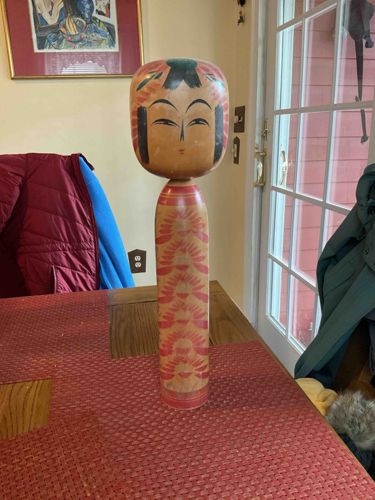
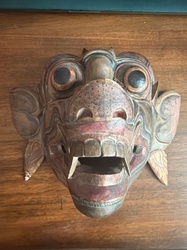
Submitted item photo
Submitted photo · June 28, 2026

User's notes

No additional notes provided.

AI analysis below

AI appraisal

AI analysis & estimate

AI-Generated · Verify before acting

Everything below is generated by AI for informational purposes only. AI can make mistakes — the AI may misidentify items or misattribute them (artist, maker, brand, designer, origin, era). This is not an official valuation and should not be used for insurance, sale, tax, estate, legal, or lending purposes — or any decision requiring a certified appraisal. It is not an authoritative claim about any person, brand, or rights holder — do not share or rely on it as a factual statement about a third party. Always consult qualified professionals before making financial decisions.

Read the full disclaimer

AI Identification

·Not independently authenticated·Verify before acting

Traditional Naruko-style Japanese Kokeshi Doll

Asian Antiques & Folk Art

AI Estimated Value

·Not an official valuation·Verify before acting

$150-$225

As of June 28, 2026

AI Item Analysis

·AI can make mistakes·Verify before acting
This is a large, vintage traditional Japanese Kokeshi doll, specifically categorized under the Naruko strain (Naruko-kei) from Miyagi Prefecture. The item is hand-carved from wood, likely Mizuki (giant dogwood), featuring a characteristic two-piece construction where the head is joined to the body via a plug-in method. The doll stands approximately 12 to 15 inches tall and exhibits a rounded, slightly bulbous head perched atop a slender, cylindrical body. The facial features are hand-painted using black ink, depicting narrow squinted eyes, a small red mouth, and arched eyebrows. The hair is rendered in a black topknot (magemaki) with red floral hair ornaments painted on the sides and top. The body is decorated with a vertical series of hand-painted red chrysanthemums (kiku), which is a hallmark motif of the Naruko style. Red concentric rings encircle the base and the neck area. In terms of condition, there is visible surface wear consistent with age, including a notable circular patina or staining on the forehead of the headpiece, minor scuffing on the wood, and slight fading of the red pigments. The lack of a visible artist's signature in this view is common, though one may be present on the bottom. The craftsmanship reflects Mid-20th century Shōwa era production (circa 1950s-1970s), showcasing elegant, minimalist folk-art aesthetics.
AI Appraisal Report

·AI can make mistakes·Verify before acting
I have conducted a visual inspection of this Naruko-style (Naruko-kei) Kokeshi doll, a representative example of Japanese folk art from the Miyagi Prefecture. My examination confirms the traditional 'kiku' (chrysanthemum) motif and the distinctive plug-in head joint characteristic of Naruko master craftsmen. The scale (12-15 inches) is larger than standard souvenir sizes, which adds to its decorative appeal. The pigments and wood oxidation suggest a Mid-Shōwa era production (1950s–1970s). The doll exhibits a 'omomuki' (charming character) despite visible condition issues, notably the circular stain on the forehead and fading of the red cinnabar-based pigments. While these signs of aging confirm authenticity and vintage status, the staining on the face slightly suppresses the value compared to mint-condition specimens. The market for Naruko-style dolls remains steady among folk-art collectors; however, without a signature (hanko) from a recognized master like Onodera or Takahashi, the value is driven by size and aesthetics rather than provenance. As this is a digital examination, I must note that I cannot confirm the integrity of the internal plug joint or verify if the doll produces the characteristic 'squeak' (naki-gawa) when the head is turned. A physical inspection is required to check the base for a signature, which could double the value if linked to a registered 'dentō' (traditional) artisan. No scientific testing is required for this class of object, but provenance documentation from the original point of sale in Miyagi would provide a more robust valuation.

Get your items appraised

Instant estimates of your treasures with AI-powered appraisals

Browse More Appraisals