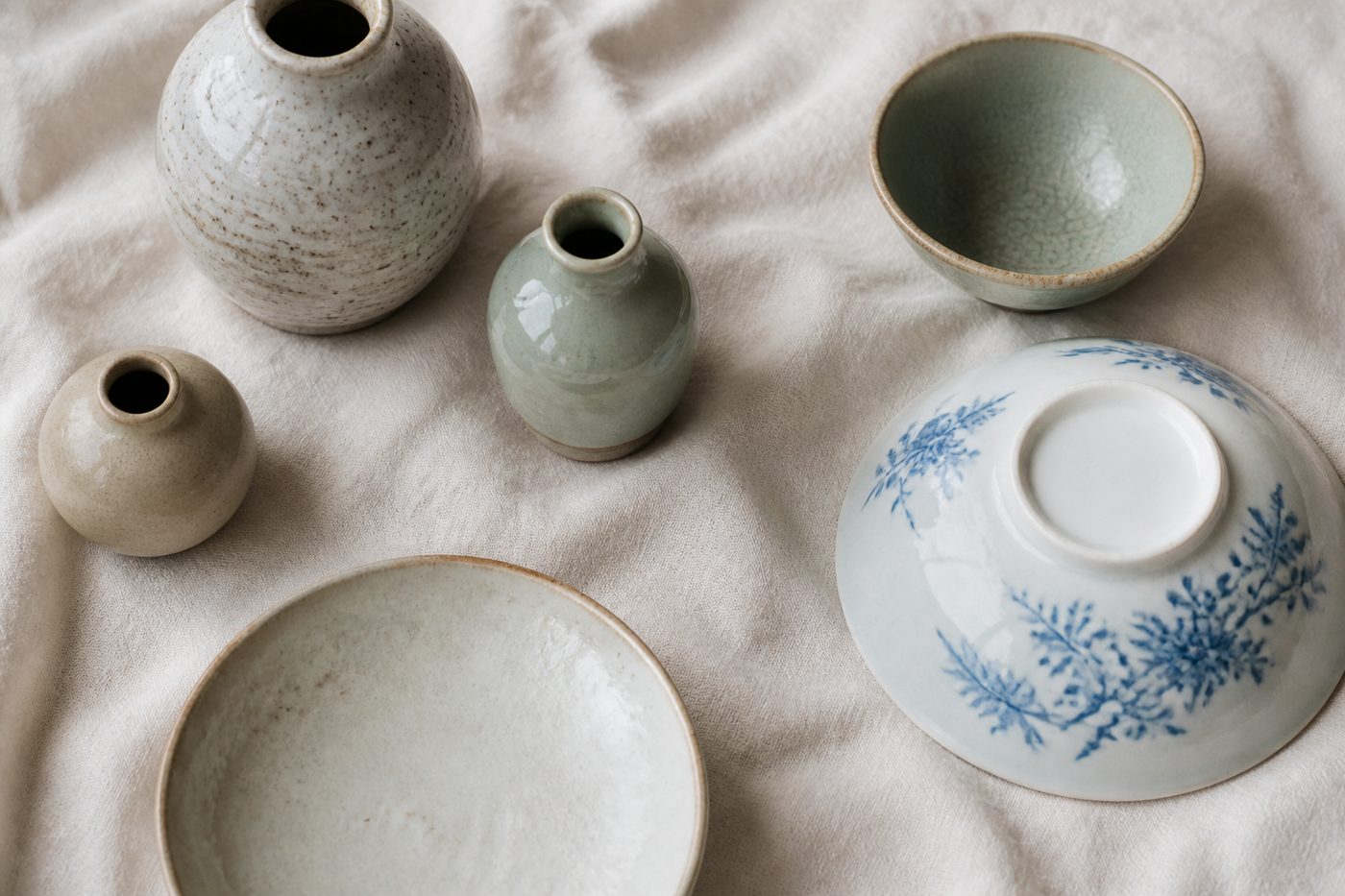
There is no single best place to sell pottery and ceramics — the right venue depends on what you have, how quickly you need to sell, and how much effort you are willing to invest. A rare piece of early porcelain and a boxful of mid-range tableware belong in completely different channels, which is why it helps to form a rough idea of value first. An instant AI-powered estimate from Appraiser.AI can serve as that starting point, but it is not an official valuation — confirm anything significant with a qualified professional appraiser before committing to a sale.
Auction houses
Auction is often the strongest route for better ceramics — attributed porcelain, notable studio pottery, rare export pieces — because specialist sales put your item in front of the collectors most likely to compete for it. Larger houses have ceramics departments that can research attribution and catalogue the piece properly, which itself supports the result.
The tradeoffs: seller's commissions and fees can be significant, the process is slow (weeks to months from consignment to payment), and results are never guaranteed — pieces can sell below estimate or fail to sell at all. Regional auction houses take more modest material but may reach a smaller audience.
Dealers
Selling to a specialist ceramics or antiques dealer is the fastest clean option: you receive an offer, and if you accept, the transaction is done. Dealers necessarily offer below retail because they carry the resale risk, restoration costs, and holding time. This route rewards sellers who value speed and certainty over maximizing price. Getting offers from more than one dealer is standard practice, not an insult.
Online marketplaces
General marketplaces and specialist antiques platforms reach the widest audience and can work well for identifiable, in-demand pieces. You control the price and keep more of it after fees. The costs are your own time and risk:
- Photographing, describing, and answering questions falls entirely on you.
- Shipping ceramics is genuinely hazardous — breakage claims and returns are a real part of this channel, and careful double-boxing is essential.
- Buyers are wary of undisclosed damage, so scrupulous condition disclosure protects you as much as them.
Fixed-price platforms suit patient sellers; online auction formats trade certainty of sale against uncertainty of price.
Antiques shows and fairs
Selling in person at fairs or flea markets works best for larger quantities of low-to-mid-range wares. Buyers can handle pieces — which matters for ceramics — and there is no shipping risk. Against that, booth fees, transport of fragile stock, and long days limit the appeal unless you sell regularly.
Consignment shops and estate services
Local consignment shops and estate-sale companies remove nearly all the work, which makes them practical for full households or large services. Commissions are substantial, timelines can stretch, and generalist venues may not recognize or properly price a sleeper — so it is wise to pull out anything potentially important before consigning the rest.
Matching the piece to the venue
As a rule of thumb: rare, attributed, or high-value pieces tend to do best at specialist auction or through a knowledgeable dealer; good identifiable mid-range pieces suit online marketplaces; bulk tableware and decorative wares fit local and consignment channels. Whatever route you choose, disclose condition fully, keep any provenance documents with the piece, and get a professional opinion first on anything that might be more than it appears.