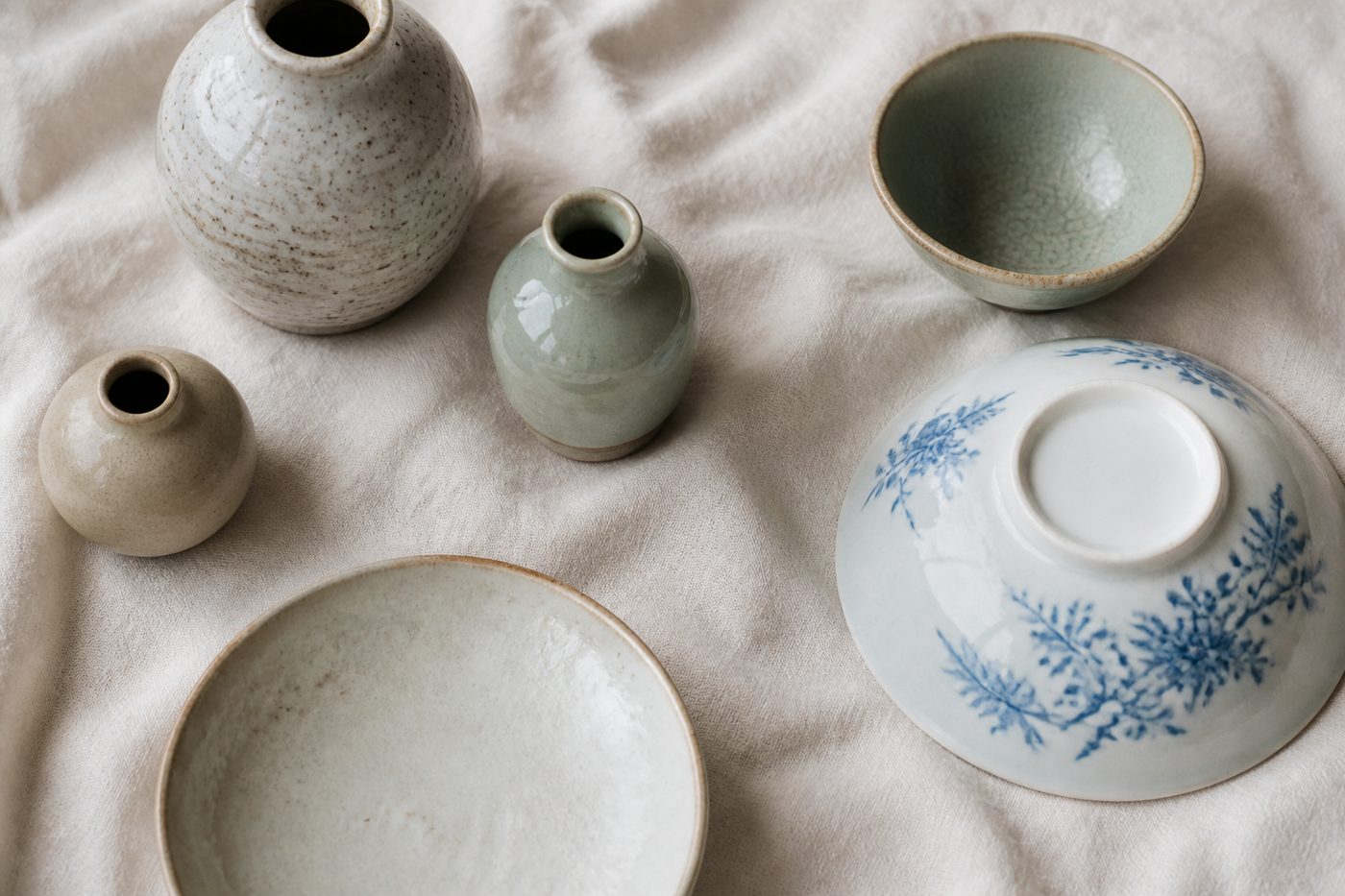
Two vases can sit side by side on a shelf, nearly identical to the untrained eye, and occupy completely different price tiers. In ceramics, value rarely comes from a single attribute; it emerges from the interaction of maker, rarity, condition, age, and — above all — what collectors currently want. Understanding these factors helps you interpret any estimate, including the instant AI-powered one you can get from photos on Appraiser.AI, which works best as a starting point before you verify the details with a qualified professional appraiser.
Maker and attribution
The single biggest driver in most ceramics markets is who made the piece. Porcelain from historic factories such as Meissen, Sèvres, or Worcester tends to command far more attention than unmarked wares of similar appearance, and in studio pottery a recognized artist's signature can matter more than the form itself. Marks are the first thing appraisers check — but marks are also the most commonly faked feature in the entire category, so an attractive mark raises questions as often as it answers them.
Rarity
Rarity operates at several levels: rare factories, rare patterns, rare forms, and rare survival. A common pattern produced for decades in huge dinner services is usually plentiful, while an experimental glaze, a short-lived pattern, or an unusual form from the same factory can be genuinely hard to find. With Chinese export china, certain armorial services made for specific families survive in small numbers, which tends to make individual pieces more sought after than generic export patterns.
Condition
Ceramics are fragile, and the market prices that in ruthlessly. Chips, hairline cracks, and restoration typically reduce value substantially — often more than newcomers expect — while honest, minor wear on a very old piece is usually more forgivable. Condition interacts with rarity: collectors often tolerate damage on something truly scarce that they would never accept on a common piece.
Age
Age matters, but less directly than people assume. An 18th-century piece is not automatically more valuable than a 20th-century one; a mid-century studio pot by a celebrated ceramicist can outperform a much older but ordinary piece of earthenware. Age tends to add value when it coincides with rarity and quality — early delftware or first-period porcelain, for example — rather than on its own.
Provenance
A documented history can meaningfully lift a piece: an old collection label, an auction record, a period receipt, or a family history tying export china to the original commission. Provenance also reassures buyers about authenticity, which is especially valuable in categories plagued by later copies, such as majolica and blue-and-white wares.
Demand and fashion
Ceramics markets move with taste. Large formal dinner services have generally softened as fewer households use them, while strong studio pottery and bold, decorative pieces have often found eager audiences. Regional demand matters too — export wares can attract interest from collectors in the culture that originally produced them.
Completeness and pairs
- A garniture or pair is usually worth more together than the pieces would be separately.
- Lids, stands, and undertrays matter; a teapot missing its lid loses much of its appeal.
- Full services can be worth less per piece than choice individual items, depending on the pattern.
No single factor settles the question. An AI estimate can weigh the visible evidence in your photos, but attribution, restoration, and provenance often require in-hand examination — so verify before making any financial decision.