AI identification & appraisal estimate

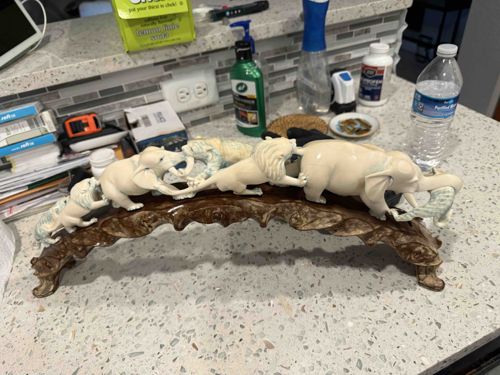
Carved Animal Group Sculpture on Base

This name is the AI's identification of the item — it may be incorrect.

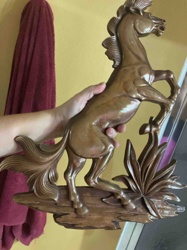
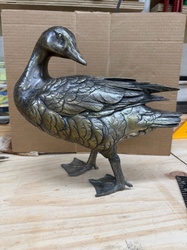
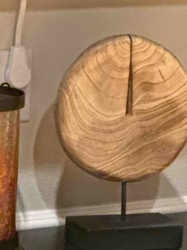
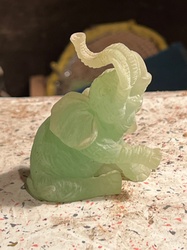
Submitted photo of Carved Animal Group Sculpture on Base
Photo submitted by the user — not generated by AI

User's notes

ming dynasty statue

These notes were written by the person who submitted this item. Appraiser.AI has not verified them, and the AI's identification and estimate may rely on them.

AI Estimated Value

Not an official valuation

$100 - $200

AI estimate as of August 26, 2025 · verify with a professional before acting

AI-Generated · Verify before acting

Everything on this page is generated by AI for informational purposes only. AI can make mistakes — the AI may misidentify items or misattribute them (artist, maker, brand, designer, origin, era). This is not an official valuation and should not be used for insurance, sale, tax, estate, legal, or lending purposes — or any decision requiring a certified appraisal. It is not an authoritative claim about any person, brand, or rights holder — do not share or rely on it as a factual statement about a third party. Always consult qualified professionals before making financial decisions.

This analysis also relies on unverified notes provided by the user, which may be incomplete or inaccurate and could affect the result.

Read the full disclaimer

AI Item Analysis

This appears to be a decorative sculpture featuring a dynamic scene of elephants and big cats, possibly lions, carved and mounted on a dark, naturalistic base. The figures themselves are carved from a light-colored material, likely resin or a cast synthetic ivory, given the uniform, creamy white color and lack of visible growth lines characteristic of genuine ivory. Some of the big cat figures exhibit light blue or gray coloration, indicating selective pigmentation or patination on their bodies, possibly to highlight markings. The craftsmanship in the animal figures is detailed, showing musculature, facial features, and fur textures. There are at least three elephants and several big cats depicted in various poses, suggesting a narrative of interaction or conflict. The elephants have tusks and trunks, and the big cats are shown in active, predatory or defensive stances. The base is an irregular, organic shape, likely intended to mimic a natural landscape feature such as a rock or log, rendered in a dark brown, possibly resin or wood composite, with a glossy finish. It serves as a stable platform for the figures. The overall condition appears good with no obvious signs of significant damage, cracks, or repairs from the visible angles. The consistent coloration across figures suggests a manufactured item rather than individually hand-carved pieces from natural material. The style reflects a more contemporary decorative art piece rather than an ancient artifact, and the "Ming Dynasty statue" context provided seems inconsistent with the visual evidence presented in the image. It is designed as a standalone display item.

AI Appraisal Report

Upon examining the provided image of this animal group sculpture, my assessment is that this is a contemporary decorative piece rather than a genuine Ming Dynasty artifact. The claim of Ming Dynasty origin (1368–1644) is inconsistent with the item's visual characteristics. The uniform, creamy-white color and smooth finish of the animal figures strongly suggest they are made from a modern material like cast resin or a synthetic ivory substitute, not hand-carved ivory or stone typical of that historical period. Genuine artifacts would exhibit age-appropriate patina, wear, and distinct material properties. The sculpture depicts a dynamic scene of elephants and felines on a dark, glossy base, showcasing detailed but modern casting techniques. The overall condition appears to be good from the photograph, with no visible damage. However, the primary factor determining its value is its material and origin. As a modern decorative item, its value is based on its aesthetic appeal and craftsmanship rather than historical significance or rarity. The market for such contemporary resin sculptures is broad, with prices typically falling in the low to modest range for home décor. To definitively authenticate this piece and rule out any possibility of it being a valuable antique, a physical examination is essential. This would involve material analysis, possibly including UV light inspection or thermal testing to differentiate resin from natural materials like ivory. Furthermore, any provenance or documentation tracing its history would be required to support a claim of antiquity. Without such verification, the piece must be appraised as a modern decorative object.

Keep exploring

More decorative sculpture appraisals

Get your items appraised

Instant AI-powered appraisal estimates from a photo

Browse More Appraisals