AI Appraisal Estimate

AI-generated estimates · not official valuations

From the user

What was submitted

Photo and notes provided by the user — not generated by AI

Submitted item photo
Submitted photo · June 6, 2026

User's notes

No additional notes provided.

AI analysis below

AI appraisal

AI analysis & estimate

AI-Generated · Verify before acting

Everything below is generated by AI for informational purposes only. AI can make mistakes — the AI may misidentify items or misattribute them (artist, maker, brand, designer, origin, era). This is not an official valuation and should not be used for insurance, sale, tax, estate, legal, or lending purposes — or any decision requiring a certified appraisal. It is not an authoritative claim about any person, brand, or rights holder — do not share or rely on it as a factual statement about a third party. Always consult qualified professionals before making financial decisions.

Read the full disclaimer

AI Identification

·Not independently authenticated·Verify before acting

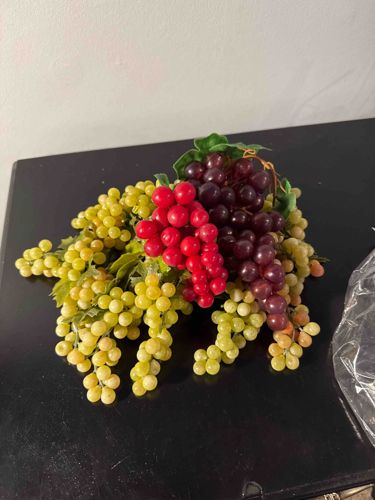
Artificial Rubber and Plastic Grape Clusters

Home Decor / Artificial Fruit

AI Estimated Value

·Not an official valuation·Verify before acting

$25.00 - $45.00

As of June 6, 2026

AI Item Analysis

·AI can make mistakes·Verify before acting
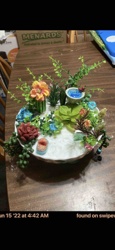
This item consists of several clusters of vintage-style artificial fruit, specifically grapes, of various colors and sizes. The arrangement includes large clusters of translucent yellowish-green grapes, a central cluster of vibrant tomato-red grapes, and a cluster of deep purple to burgundy grapes. These clusters are likely made from rubberized plastic or soft vinyl, a common material for decorative kitchen decor from the mid-to-late 20th century. The individual grapes are attached to a central plastic stem structure with small, stiff green fabric or plastic leaves integrated at the top. The green grapes exhibit a slight stippled texture or 'bloom' to mimic real fruit, while the red grapes have a glossy, solid finish. Construction is indicative of mass-produced decorative items, probably dating between the 1970s and 1990s. The condition appears fair to good, with some minor dust accumulation and potential stiffness in the plastic stems due to age. There are no visible maker's marks, although such items were frequently imported from East Asia. The overall craftsmanship is functional for home decor, intended for display in a fruit bowl or as a tabletop accent.
AI Appraisal Report

·AI can make mistakes·Verify before acting
I have examined the provided image of these vintage-style artificial grape clusters. My visual analysis confirms they are likely composed of molded rubberized plastic or soft vinyl, consistent with mass-produced home decor from the 1970s through the 1990s. The presence of mold-line artifacts and the specific texture of the synthetic leaves suggest these were manufactured for the mid-market giftware sector, likely imported from Asia. The condition appears fair, showing typical surface dust and minor weathering of the stems, common for items of this material and age. The market for vintage artificial fruit is stable but saturated. Realistic 'museum grade' or high-end 'lucite' grapes from the 1960s command higher prices ($100+), whereas these rubberized versions are valued primarily for kitsch appeal and vintage-themed interior staging. Rarity is low, as these were produced in high volumes. Factors impacting value include the vibrant color retention in the red cluster and the wholeness of the sets. However, the lack of a manufacturer's mark (e.g., 'Holland Mold' or specific labels) limits the collectible ceiling. There is a persistent demand among vintage kitchenware enthusiasts, but value is capped by the ubiquity of similar modern reproductions. Limitation on Authenticity: This appraisal is based strictly on photographic evidence. I cannot definitively confirm the material stability or verify the presence of an internal wire armature without physical handling. A physical inspection would be required to rule out chemical 'weeping' or brittleness in the plastic. In-person testing could also identify specific material compositions (e.g., PVC vs. latex) which might influence long-term preservation value. No provenance documentation was provided.

Get your items appraised

Instant estimates of your treasures with AI-powered appraisals

Browse More Appraisals