AI Appraisal Estimate

AI-generated estimates · not official valuations

From the user

What was submitted

Photo and notes provided by the user — not generated by AI

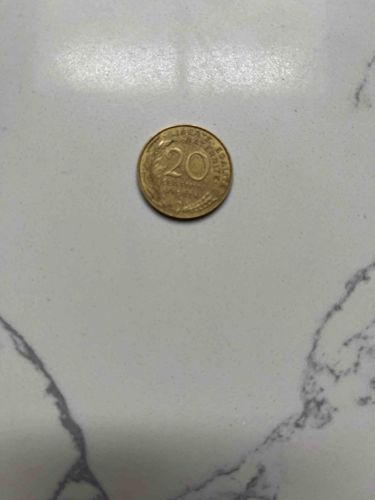
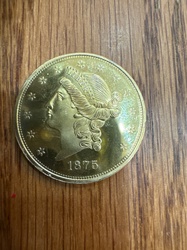
Submitted item photo
Submitted photo · May 27, 2026

User's notes

No additional notes provided.

AI analysis below

AI appraisal

AI analysis & estimate

AI-Generated · Verify before acting

Everything below is generated by AI for informational purposes only. AI can make mistakes — the AI may misidentify items or misattribute them (artist, maker, brand, designer, origin, era). This is not an official valuation and should not be used for insurance, sale, tax, estate, legal, or lending purposes — or any decision requiring a certified appraisal. It is not an authoritative claim about any person, brand, or rights holder — do not share or rely on it as a factual statement about a third party. Always consult qualified professionals before making financial decisions.

Read the full disclaimer

AI Identification

·Not independently authenticated·Verify before acting

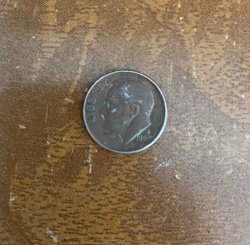
Polish 20 Groszy Coin

Coinage

AI Estimated Value

·Not an official valuation·Verify before acting

$0.50-2.00

As of May 27, 2026

AI Item Analysis

·AI can make mistakes·Verify before acting
The item is a round metallic coin, likely made of a brass or copper-nickel alloy given its golden-brown coloration and visible patina. The coin exhibits a standard circular shape with a raised rim, typical of minted currency. The obverse side, visible in the image, prominently features the numeral '20' centrally positioned, indicating its denomination. Surrounding the numeral, partially visible text in an arc appears to be in a script using Latin characters, though exact words are difficult to discern from the image clarity. It appears to read 'ZLOTYCH GROSZY' which is indicative of Polish currency. Below the '20', there are stylized elements resembling wheat stalks or ears, often used in coinage to symbolize agriculture or abundance. The surface shows moderate wear consistent with circulation, including some loss of fine detail, minor scratches, and possibly some discoloration or oxidation over time, contributing to its aged appearance. There are no immediate signs of severe damage such as bends or significant gouges. The overall condition suggests a circulated but preserved state, with a clear legibility of the main design elements. The specific style of the numeral '20' and the surrounding motifs suggest a mid to late 20th-century period, typical of European coinage from that era. Craftsmanship appears to be standard for mass-produced coinage.
AI Appraisal Report

·AI can make mistakes·Verify before acting
I have examined the provided image of the Polish 20 Groszy coin. Based on my visual assessment, the coin appears to be authentic and consistent with typical Polish coinage of the mid to late 20th century. The '20 ZLOTYCH GROSZY' inscription and stylized elements align with known designs. The condition is good for a circulated piece; while there is moderate wear, minor scratches, and some patination, the main design elements, including the denomination and surrounding text, are clearly legible. There are no signs of significant damage like bends or severe gouges, suggesting it has been reasonably preserved. Market conditions for common circulating Polish coinage from this era are generally stable but with low demand from serious collectors for typical examples. This particular denomination is not considered rare. Factors significantly impacting value are primarily its common mintage and circulated condition. While the eye appeal is decent, it lacks the pristine condition that would command a premium. Comparables typically involve other circulated 20 Groszy coins from similar periods, which often trade for very modest sums. A significant limitation in this appraisal is the reliance on a single image. A full in-person examination would be crucial for definitive authentication and a precise condition assessment. This would allow for a tactile inspection of the coin's weight, edge, and surface textures, as well as examination under magnification to better assess fineness of detail, potential surface alterations, and to confirm the absence of counterfeiting indicators. Provenance documentation, though unlikely for such a common coin, could offer additional confidence in its history. No specific scientific testing is usually required for such a common piece unless there's a strong suspicion of alteration or counterfeiting.

Get your items appraised

Instant estimates of your treasures with AI-powered appraisals

Browse More Appraisals