AI Appraisal Estimate

AI-generated estimates · not official valuations

From the user

What was submitted

Photo and notes provided by the user — not generated by AI

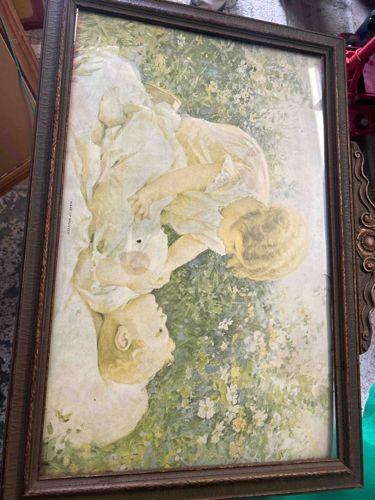
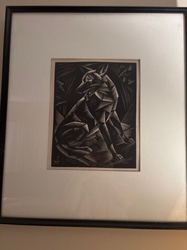
Submitted item photo
Submitted photo · June 6, 2026

User's notes

No additional notes provided.

AI analysis below

AI appraisal

AI analysis & estimate

AI-Generated · Verify before acting

Everything below is generated by AI for informational purposes only. AI can make mistakes — the AI may misidentify items or misattribute them (artist, maker, brand, designer, origin, era). This is not an official valuation and should not be used for insurance, sale, tax, estate, legal, or lending purposes — or any decision requiring a certified appraisal. It is not an authoritative claim about any person, brand, or rights holder — do not share or rely on it as a factual statement about a third party. Always consult qualified professionals before making financial decisions.

Read the full disclaimer

AI Identification

·Not independently authenticated·Verify before acting

Vintage Lithographic Print - 'Wake Up, Brother!' by Bessie Pease Gutmann

Antique Prints and Wall Art

AI Estimated Value

·Not an official valuation·Verify before acting

$45 - $75

As of June 6, 2026

AI Item Analysis

·AI can make mistakes·Verify before acting
This item is a vintage lithographic print entitled 'Wake Up, Brother!' created by the renowned American illustrator Bessie Pease Gutmann, likely dating from the early to mid-20th century (circa 1920s-1940s). The artwork depicts a tender scene of two young children, a blonde-haired girl leaning over a sleeping infant, set against a soft, horticultural background of white and yellow flowers. The color palette is characteristic of Gutmann’s style, utilizing muted pastels, cream tones, and soft greens to create a nostalgic, sentimental atmosphere. The print features the title 'WAKE UP BROTHER!' clearly visible along the left edge of the image. It is housed in an original or period-appropriate dark wood frame with a textured finish and ornate scrolling metal hardware on the side, suggesting it may have been part of a tray or a specific decorative wall unit. Regarding condition, there is a prominent circular water stain or moisture damage mark near the center of the print over the infant's clothing, and some general fading consistent with age. The frame shows various scuffs, nicks, and instances of finish loss along the edges, and the paper backing appears to be slightly wavy, indicating past exposure to humidity. Despite these condition issues, the piece retains its charm as a classic example of early 20th-century nursery art.
AI Appraisal Report

·AI can make mistakes·Verify before acting
I have examined the digital images of the vintage lithographic print 'Wake Up, Brother!' by Bessie Pease Gutmann. This piece, likely produced by the Gutmann & Gutmann publishing house between 1920 and 1940, captures the quintessential sentimentalism of early 20th-century American nursery art. The print is housed in an interesting period frame with decorative metal hardware, suggesting it may have originally functioned as a vanity tray. Physically, the item shows significant distress. Most notably, a large circular water stain sits near the center, significantly impacting the visual integrity of the subject matter. The paper shows waviness (cockling) from humidity, and the frame exhibits finish loss and scuffing. While Gutmann's work remains highly collectible, 'Wake Up, Brother!' was mass-produced in high volumes. The market is currently saturated with her prints, and collectors prioritize 'mint' examples without moisture damage. The condition issues seen here—specifically the central staining—relegate this to 'decorator' status rather than 'collector' grade. Market comparables for damaged prints of this era typically sell under $50, whereas pristine examples in original frames can fetch $150 or more. Authenticity as a period lithograph (versus a modern digital reproduction) is suggested by the age-appropriate wear and frame style, but cannot be confirmed without a high-magnification inspection to identify the specific printing dot pattern (halftone vs. collotype) and paper composition. A full authentication would require removing the backing to inspect for publisher watermarks and verifying the absence of modern acidic adhesives. Given the current condition, the value is primarily in the period frame and the nostalgic appeal of the artist.

Get your items appraised

Instant estimates of your treasures with AI-powered appraisals

Browse More Appraisals