AI Appraisal Estimate

AI-generated estimates · not official valuations

From the user

What was submitted

Photo and notes provided by the user — not generated by AI

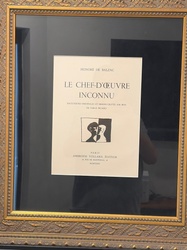
Submitted item photo
Submitted photo · May 31, 2026

User's notes

No additional notes provided.

AI analysis below

AI appraisal

AI analysis & estimate

AI-Generated · Verify before acting

Everything below is generated by AI for informational purposes only. AI can make mistakes — the AI may misidentify items or misattribute them (artist, maker, brand, designer, origin, era). This is not an official valuation and should not be used for insurance, sale, tax, estate, legal, or lending purposes — or any decision requiring a certified appraisal. It is not an authoritative claim about any person, brand, or rights holder — do not share or rely on it as a factual statement about a third party. Always consult qualified professionals before making financial decisions.

Read the full disclaimer

AI Identification

·Not independently authenticated·Verify before acting

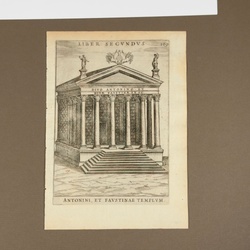
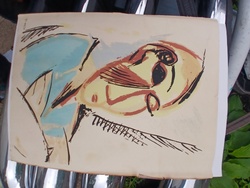
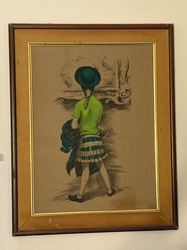
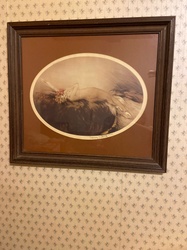
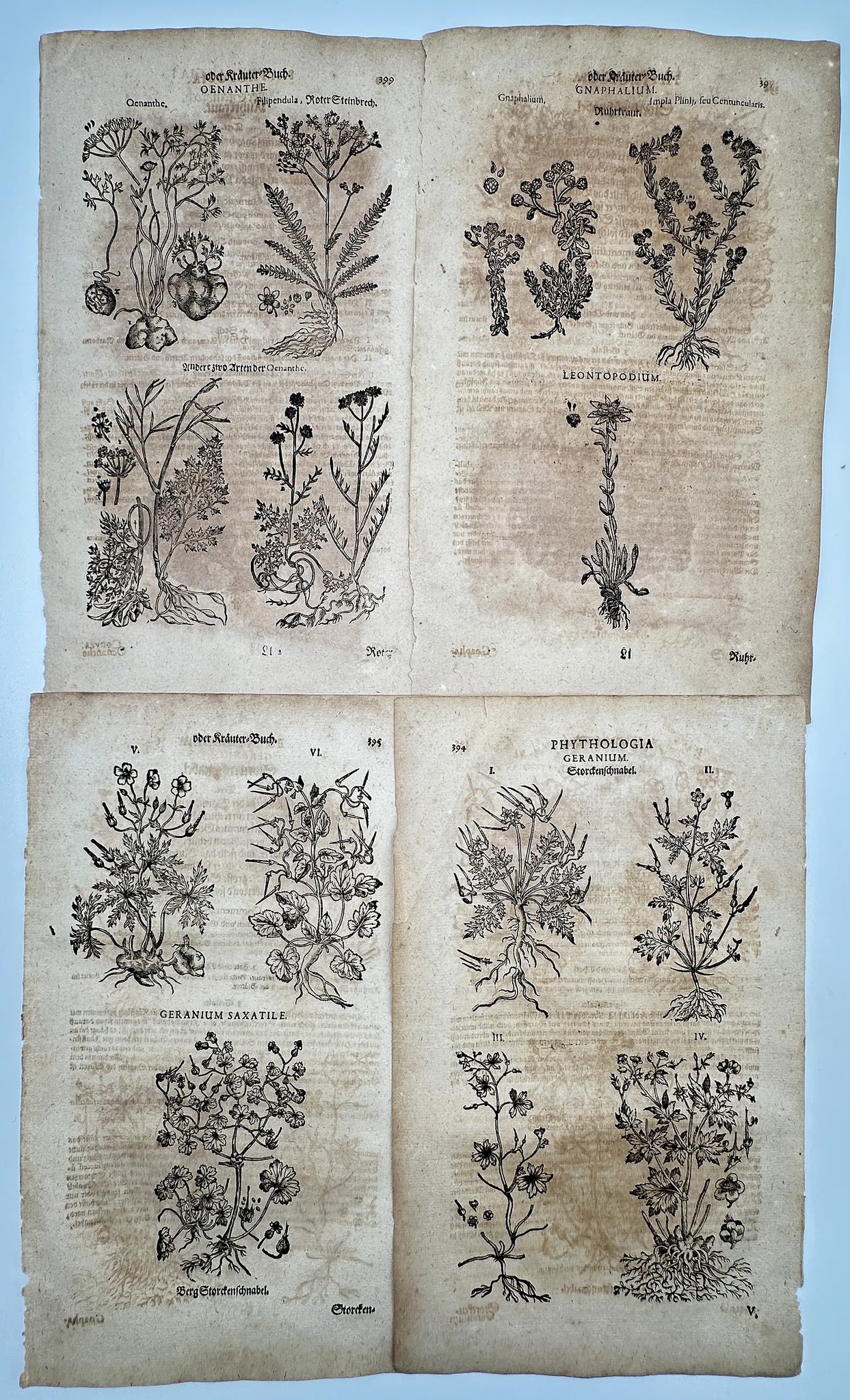
Four antique-style botanical woodcut prints appearing to be from a German herbal

Prints and Works on Paper

AI Estimated Value

·Not an official valuation·Verify before acting

$400 - $800

As of May 31, 2026

AI Item Analysis

·AI can make mistakes·Verify before acting
These four illustrated pages are stylistically consistent with 16th or 17th-century European herbal texts, likely of German origin. The pages contain taxonomic woodcut illustrations of various plants, including those labeled with Latin and German names such as 'OENANTHE', 'GNAPHALIUM', 'LEONTOPODIUM', and 'GERANIUM' (Storckenschnabel). The typography features Fraktur-influenced headers such as 'oder Kräuter-Buch' and 'PHYTHOLOGIA'. Page numbers of 393, 394, 395, and 396 are visible, suggesting these were extracted from a specific volume. The ink appears to be a dark brown or charcoal, showing the characteristic strong lines of woodblock printing. Significant signs of aging are present, including dark foxing, water staining, and a generalized yellowing or browning of the paper, consistent with high-rag or wood-pulp-free paper of the late Renaissance or early Baroque period. The edges of the paper are rough and uneven, appearing to have been hand-torn or removed from a bound book. Without physical inspection of the paper grain and watermark, a specific edition cannot be confirmed, though the layout and titles are consistent with the works of botanists like Adam Lonicer or Jacob Tabernaemontanus.
AI Appraisal Report

·AI can make mistakes·Verify before acting
I have reviewed the images of these four botanical woodcut prints, which appear to be extracted from a 16th or 17th-century herbal text, possibly a German edition in the style of Adam Lonicer or Jacob Tabernaemontanus. Based on what I can see, the woodblock technique and Fraktur typography are consistent with European botanical publishing of the late Renaissance. The foxing, water staining, and visible browning suggest significant age; however, I cannot verify the paper fiber or watermarks from a photo, which are essential for dating. The valuation of $400 - $800 is a hypothesis based on the assumption that these are period-correct pages from a recognized herbal such as Egenolff's edition of Lonicer. This estimate accounts for the poor condition, as the staining and rough edges significantly impact marketability compared to cleaner examples. The market for early botanical prints remains stable among collectors of natural history, though demand is higher for hand-colored specimens. If physical inspection, such as examining the chain lines or ink absorption, were to suggest these are later 19th-century reproductions or photolithographic copies, the value would likely drop to $40 - $80 for the set. To confirm the origin, an in-person examination by a specialist in early printing would be necessary to identify the specific edition and verify the paper's manufacture. The current estimate depends on these being from an early volume and not modern 'style of' replicas, which are common in the decorative market. The value of an unauthenticated piece of this type would typically sell for less until the exact edition is identified through forensic bibliographic comparison.
Get your items appraised

Instant estimates of your treasures with AI-powered appraisals

Browse More Appraisals