AI Appraisal Estimate

AI-generated estimates · not official valuations

From the user

What was submitted

Photo and notes provided by the user — not generated by AI

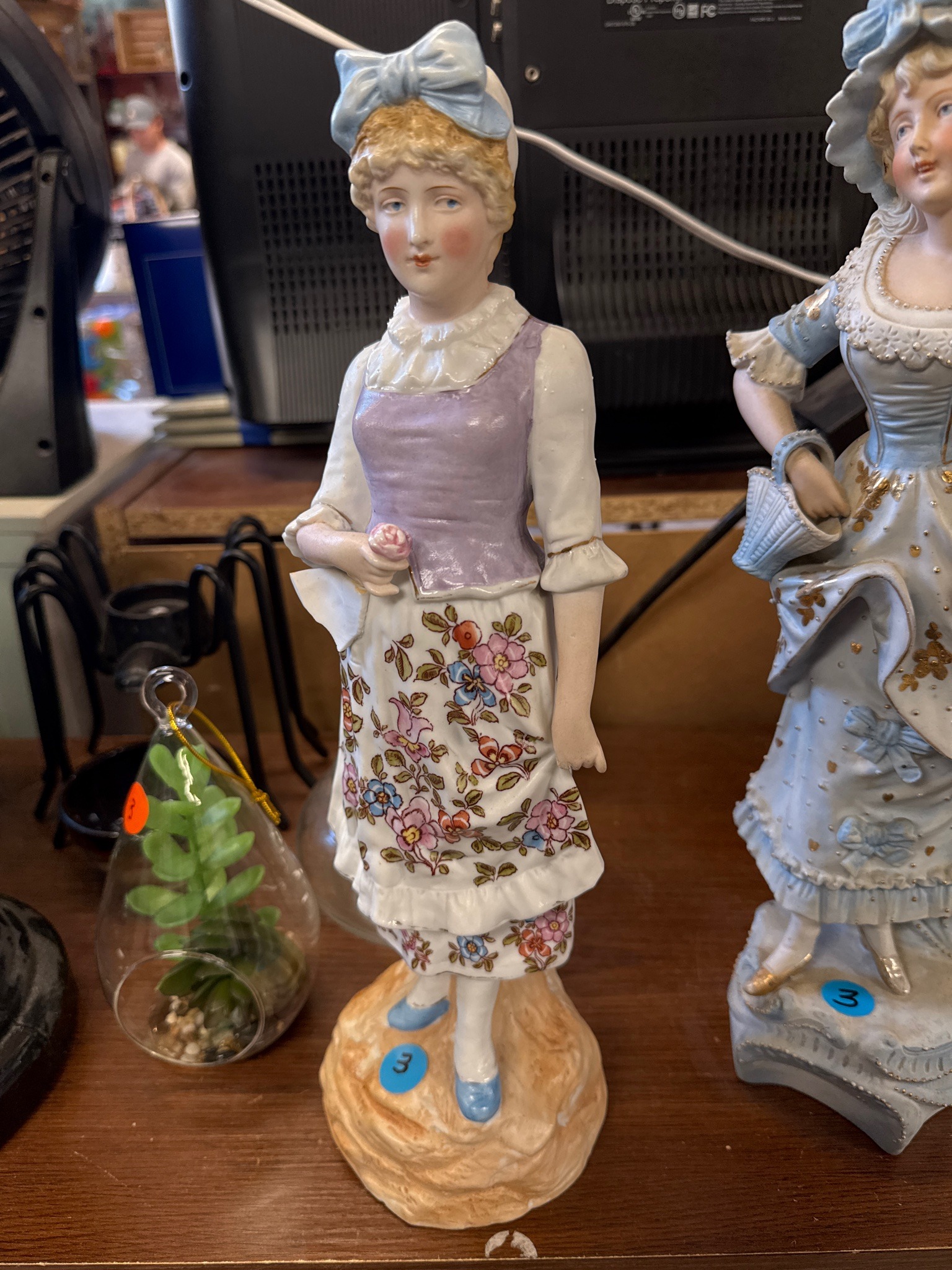
Submitted item photo
Submitted photo · June 27, 2026

User's notes

No additional notes provided.

AI analysis below

AI appraisal

AI analysis & estimate

AI-Generated · Verify before acting

Everything below is generated by AI for informational purposes only. AI can make mistakes — the AI may misidentify items or misattribute them (artist, maker, brand, designer, origin, era). This is not an official valuation and should not be used for insurance, sale, tax, estate, legal, or lending purposes — or any decision requiring a certified appraisal. It is not an authoritative claim about any person, brand, or rights holder — do not share or rely on it as a factual statement about a third party. Always consult qualified professionals before making financial decisions.

Read the full disclaimer

AI Identification

·Not independently authenticated·Verify before acting

Hand-Painted Porcelain Bisque Figurine of a Young Woman

Collectibles - Decorative Figurines

AI Estimated Value

·Not an official valuation·Verify before acting

$125 - $185

As of June 27, 2026

AI Item Analysis

·AI can make mistakes·Verify before acting
This item is a decorative porcelain figurine depicting a standing young woman in 18th-century provincial or peasant attire, standing approximately 8 to 10 inches tall. The figure is crafted from bisque porcelain, recognizable by its soft, matte texture on the skin and base, contrasted with glazed polychrome accents on the clothing. She is dressed in a lavender-purple bodice over a white blouse with ruffled collar and cuffs. Her white apron features a dense, hand-painted floral motif in pink, blue, and red with green foliage. She wears a large, light blue bow in her yellow-blonde hair and holds a single pink rose in her right hand. The figurine stands on an integral rocky, earth-toned base. The facial features are delicate, with painted blue eyes, rosy cheeks, and small red lips. Condition-wise, the figurine appears well-preserved with no visible chips, cracks, or professional repairs from the front view, though there is light dust accumulation in the crevices and minor shelf wear on the base. The style is indicative of European porcelain производства from Germany or France, likely dating from the late 19th century to the early 20th century (Victorian or Edwardian era). While no specific maker's mark is visible from this angle, the level of hand-painted detail and the characteristic bisque finish suggest a mid-tier decorative art piece intended for parlor display.
AI Appraisal Report

·AI can make mistakes·Verify before acting
Based on my visual inspection of this hand-painted bisque porcelain figurine, I have identified it as a late 19th-century European piece, likely of German (Thuringian) or French origin. The item exhibits the characteristics of high-quality decorative 'cabinet' pieces from the 1890-1910 period. The polychrome application on the floral apron is particularly well-executed, showing minimal pigment loss. The bisque body is clean with a soft matte finish that suggests a lead-free glaze typical of the era. The condition appears Excellent; however, I must denote that without a tactile examination, I cannot rule out professional restorations to the delicate rose petals or the bow tips, which are common failure points in such figurines. The market for Victorian-era porcelain has stabilized recently, with collectors prioritizing pieces that retain vibrant color and lack 'flea bite' chips. Comparable pieces from makers such as Gebrüder Heubach or various Limoges workshops typically realize prices within the $120 to $200 range at regional auctions. The absence of a visible maker's mark in the provided imagery prevents a 'premium' valuation associated with top-tier houses like Meissen or Sevres. Full authentication would require a physical inspection of the underside to check for incised mold numbers or stamped marks, as well as a UV light test to detect hidden repairs or overpainting. Provenance regarding the item's purchase history or estate origin would also help solidify its historical context.

Get your items appraised

Instant estimates of your treasures with AI-powered appraisals

Browse More Appraisals