AI Appraisal Estimate

AI-generated estimates · not official valuations

From the user

What was submitted

Photo and notes provided by the user — not generated by AI

Submitted item photo
Submitted photo · June 25, 2026

User's notes

No additional notes provided.

AI analysis below

AI appraisal

AI analysis & estimate

AI-Generated · Verify before acting

Everything below is generated by AI for informational purposes only. AI can make mistakes — the AI may misidentify items or misattribute them (artist, maker, brand, designer, origin, era). This is not an official valuation and should not be used for insurance, sale, tax, estate, legal, or lending purposes — or any decision requiring a certified appraisal. It is not an authoritative claim about any person, brand, or rights holder — do not share or rely on it as a factual statement about a third party. Always consult qualified professionals before making financial decisions.

Read the full disclaimer

AI Identification

·Not independently authenticated·Verify before acting

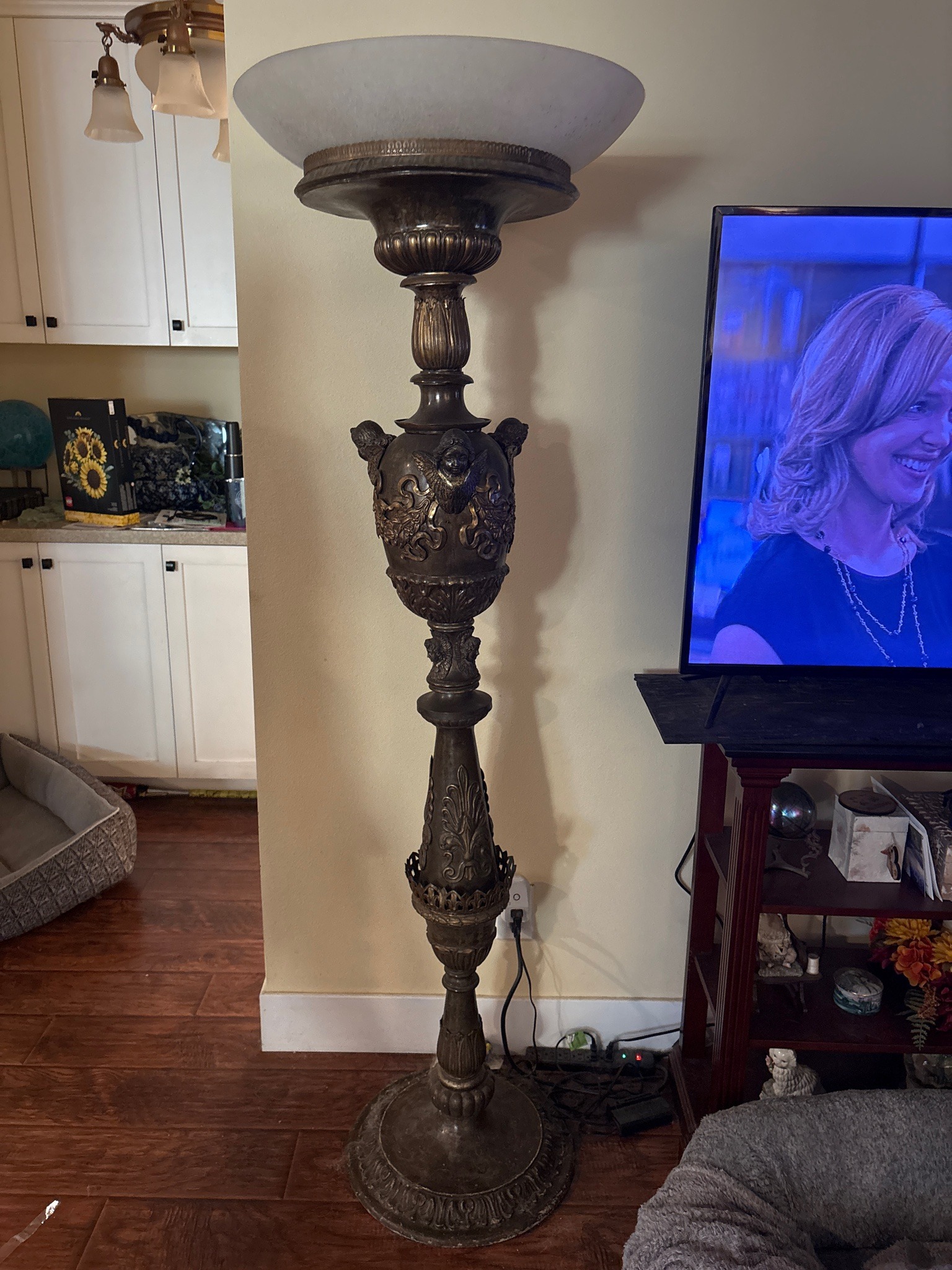
Neoclassical Style Cast Metal Torchiere Floor Lamp

Home Decor & Lighting

AI Estimated Value

·Not an official valuation·Verify before acting

$350 - $550

As of June 25, 2026

AI Item Analysis

·AI can make mistakes·Verify before acting
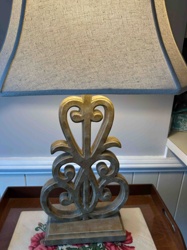
This is a substantial Neoclassical style torchiere floor lamp, likely dating from the mid-20th century. The lamp stands approximately 65 to 70 inches tall and is constructed from cast metal, possibly spelter or white metal, with a dark bronze or pewter-toned patinated finish. The design features a highly ornate, multi-tiered pedestal base leading to a central urn-shaped column. This urn section is decorated with high-relief neoclassical motifs, including cherub or putti faces and scrolling acanthus leaves. Above the urn, the stem transitions into a wide, shallow glass shade with a frosted or 'milk glass' finish, designed to reflect light upward toward the ceiling in the traditional torchiere fashion. The metalwork shows signs of aged patina with darker oxidation in recessed areas, which adds to its antique aesthetic. The circular base is wide and heavily weighted for stability, featuring radial foliate patterns. While no specific maker's mark is visible in the photograph, the craftsmanship suggests a mass-produced but high-quality decorative piece from the 1940s-1960s Revival era. The condition appears fair to good, with some surface dust and minor wear to the finish consistent with age.
AI Appraisal Report

·AI can make mistakes·Verify before acting
Based on my visual examination of this Neoclassical style cast metal torchiere, I find it to be a representative example of decorative lighting from the mid-20th century, likely produced between 1940 and 1960. The piece expertly utilizes neoclassical motifs, such as putti and acanthus leaf scrollwork, to emulate French Empire or Regency designs. The construction appears to be cast spelter or white metal with a multi-layered bronze-tone patina. The condition is fair to good; while the casting remains sharp, there is evident oxidation and surface wear consistent with age. The frosted glass shade appears intact, which is critical as replacements for this diameter can be difficult to source. The current market for mid-century revival lighting is stable, with demand driven by interior designers seeking 'grandmillennial' or traditional aesthetics. Comparables for similar unbranded cast metal torchieres typically hammer at auction between $200 and $400, while retail gallery prices can reach $700. The primary value drivers here are the scale (standing nearly six feet) and the high-relief detail of the urn section. However, value is limited by the lack of a prestigious maker's mark (such as Stiffel or Caldwell) and the use of non-ferrous cast white metal rather than solid bronze. Important note: This appraisal is based on photographic evidence only. To fully authenticate the piece and verify its safety, an in-person inspection is required to check for structural cracks in the casting, examine the internal wiring for fire hazards, and confirm the weight and material composition of the base. Documentation regarding provenance or a manufacturer’s stamp located under the base would be necessary to increase the valuation.

Get your items appraised

Instant estimates of your treasures with AI-powered appraisals

Browse More Appraisals