AI Appraisal Estimate

AI-generated estimates · not official valuations

From the user

What was submitted

Photo and notes provided by the user — not generated by AI

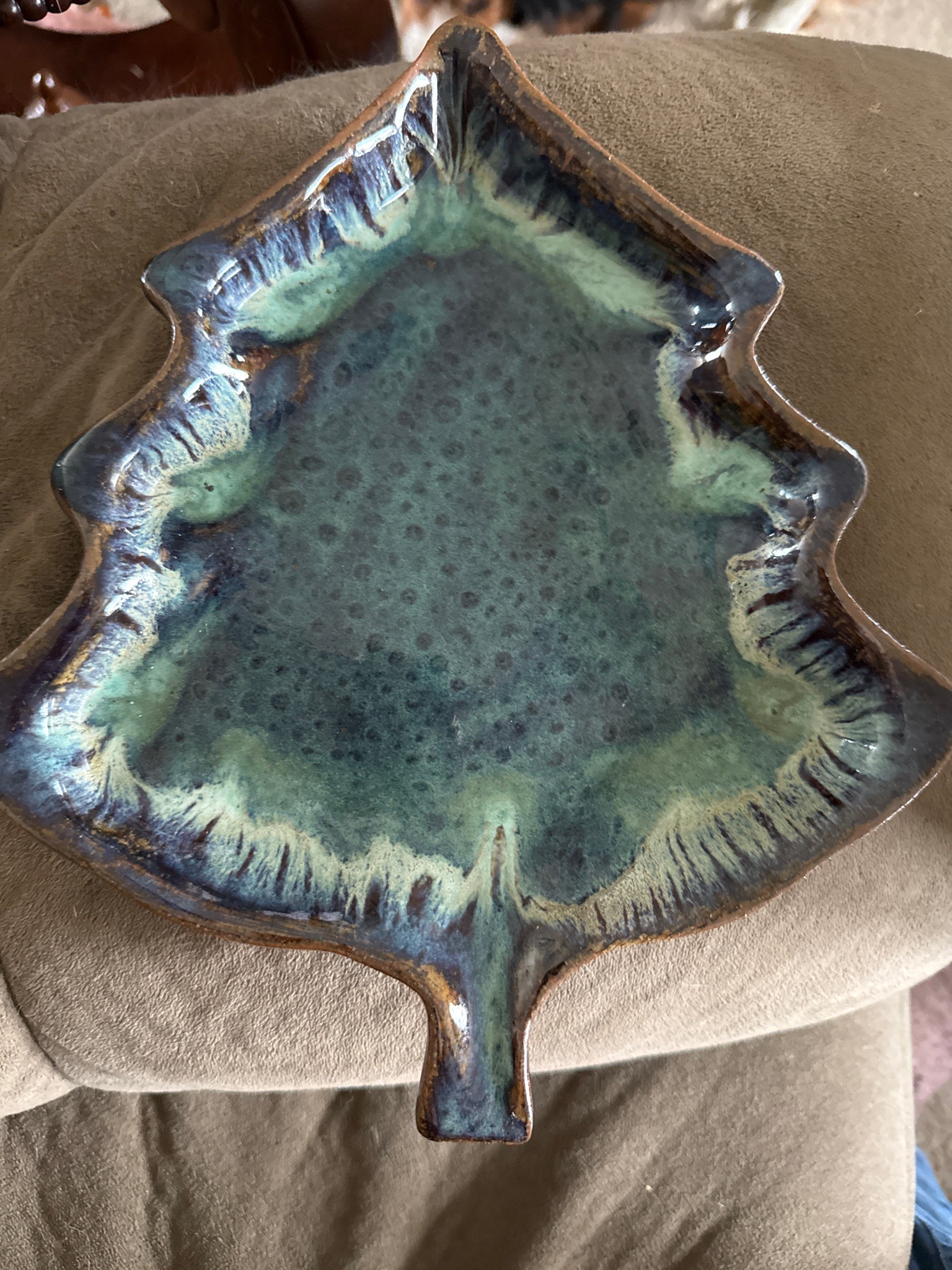
Submitted item photo
Submitted photo · June 13, 2026

User's notes

No additional notes provided.

AI analysis below

AI appraisal

AI analysis & estimate

AI-Generated · Verify before acting

Everything below is generated by AI for informational purposes only. AI can make mistakes — the AI may misidentify items or misattribute them (artist, maker, brand, designer, origin, era). This is not an official valuation and should not be used for insurance, sale, tax, estate, legal, or lending purposes — or any decision requiring a certified appraisal. It is not an authoritative claim about any person, brand, or rights holder — do not share or rely on it as a factual statement about a third party. Always consult qualified professionals before making financial decisions.

Read the full disclaimer

AI Identification

·Not independently authenticated·Verify before acting

Artisanal Glazed Ceramic Evergreen Tree-Shaped Dish

Studio Pottery / Decorative Ceramics

AI Estimated Value

·Not an official valuation·Verify before acting

$45 - $75

As of June 13, 2026

AI Item Analysis

·AI can make mistakes·Verify before acting
This is a hand-crafted ceramic stoneware dish or tray shaped in the silhouette of a stylized evergreen or Christmas tree. The item is characterized by a sophisticated reactive glaze application that transitions between several deep, earthy tones. The central body of the tray features a dark forest green base with a subtle 'oil spot' or mottled texture, while the elevated perimeter edges showcase an 'ash glaze' effect where lighter sage green and cream-colored glazes have run and pooled during the firing process. Darker obsidian or navy blue accents are visible along the very rim, providing a stark contrast to the reddish-brown clay body exposed at the unglazed or thinly glazed edges. The piece features a small, integrated trunk at the base which serves as a handle or decorative accent. In terms of condition, the glaze appears highly vitrified and glossy with no immediate evidence of crazing, chips, or surface scratches, suggesting excellent preservation or relatively modern production. The irregular, organic flow of the glaze and the deliberate asymmetry of the branch tiers indicate it is a piece of studio pottery rather than a mass-produced item. Based on the glaze chemistry and the specific tree shape, this item likely dates from the late 20th century to the present day, reflecting a rustic-modern or arts-and-crafts aesthetic. The craftsmanship is high, evidenced by the controlled glaze movement and the clean definition of the tree's profile.
AI Appraisal Report

·AI can make mistakes·Verify before acting
Based on my visual examination of this studio pottery dish, I have identified it as a contemporary stoneware piece. The item exhibits high-quality craftsmanship, specifically through its reactive 'oil spot' glaze and controlled ash-glaze application. The vitrification appears complete, and I observe no signs of crazing, fractures, or impact chips along the thin peripheral edges, placing its condition as 'excellent.' Its aesthetic aligns with Pacific Northwest or Appalachian studio traditions of the late 20th century to the present. The market for mid-range studio pottery is currently stable, though it relies heavily on the presence of a maker's mark. Comparables for unsigned artisanal holiday ware of this size and glaze complexity typically sell within the $40 to $80 range at regional craft galleries or specialized online boutiques. The asymmetry of the tiers and the sophisticated layering of forest green and obsidian glazes elevate it above mass-produced imports, yet without a documented signature from a collected ceramicist, the value remains tied to decorative utility. It is important to note that this appraisal is based solely on digital imagery. A full authentication would require an in-person physical inspection to verify the 'foot' of the piece for a potter's mark or signet, which could triple the value if attributed to a known master. Scientific testing for lead content or glaze stability would also be necessary to determine if the piece is food-safe or strictly decorative. Provenance, such as a gallery receipt or exhibition history, would further solidify this valuation.

Get your items appraised

Instant estimates of your treasures with AI-powered appraisals

Browse More Appraisals