AI identification & appraisal estimate

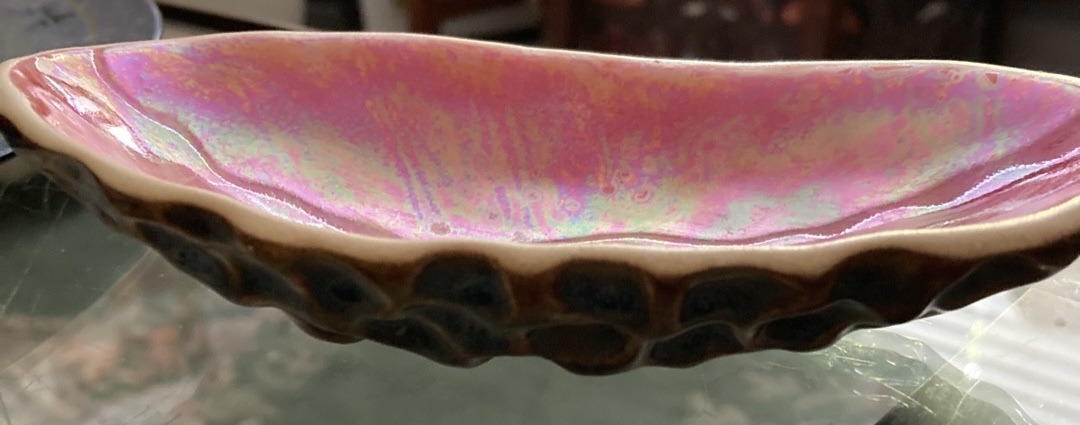
Majolica oyster plate, attributed to Majolica (unverified)

Submitted photo of Majolica oyster plate, attributed to Majolica (unverified)
Photo submitted by the user — not generated by AI

AI Estimated Value

Not an official valuation

$300-500

AI estimate as of September 12, 2026 · verify with a professional before acting

AI-Generated · Verify before acting

Everything on this page is generated by AI for informational purposes only. AI can make mistakes — the AI may misidentify items or misattribute them (artist, maker, brand, designer, origin, era). This is not an official valuation and should not be used for insurance, sale, tax, estate, legal, or lending purposes — or any decision requiring a certified appraisal. It is not an authoritative claim about any person, brand, or rights holder — do not share or rely on it as a factual statement about a third party. Always consult qualified professionals before making financial decisions.

Read the full disclaimer

AI Item Analysis

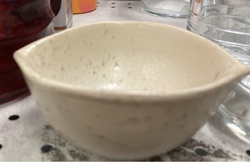
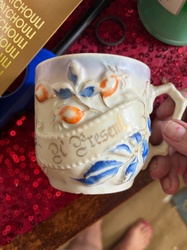
This ceramic dish features an oblong, boat-like form with an indented interior basin and a heavily textured exterior. The interior boasts a glossy, iridescent pink glaze that shimmers with subtle undertones of peach, lavender, and gold, exhibiting a mother-of-pearl or lusterware effect. The exterior is rendered in a contrasting dark brown and cream coloration with a deeply pitted, cellular, or honeycomb texture reminiscent of coral, stone, or the exterior shell of an oyster. The rim is gently undulating and smooth, finished in an off-white or cream tone that bridges the inner and outer glazes. There are no maker's marks or stamps visible in the provided image, so the attribution rests entirely on stylistic similarities to mid-to-late 19th-century European majolica and lusterware ceramics. The overall condition appears generally good based on visual inspection, showing a bright, intact glaze without obvious major chips or cracks, though microscopic wear and crazing cannot be ruled out without physical handling. The object displays a decorative aesthetic consistent with Victorian-era novelty serving pieces or decorative dishes, combining naturalistic motifs with highly reflective, colorful surface treatments. The quality of the glaze application and the distinctive textural contrast suggest skilled studio or factory production, though specific dating and manufacturer remain unverified.
AI Appraisal Report

Based on what I can see in the provided image, this ceramic dish presents an oblong form with an indented interior basin and a heavily textured, cellular exterior. The interior displays a glossy, iridescent pink glaze with peach, lavender, and gold undertones, while the exterior features a dark brown and cream coloration. I can't verify from a photo whether there are hidden maker's marks, micro-cracks, or professional restorations, as these details would need physical inspection to confirm. Working under the assumption that this piece is a mid-to-late 19th-century European majolica or lusterware serving dish, comparable antique novelty ceramics of this type typically trade in the $300 to $500 range, driven by collector demand for Victorian-era tableware with naturalistic motifs. However, this valuation is entirely dependent on the attribution being correct; if the item were determined to be a later reproduction, modern replica, or simply an unattributed piece in the style of 19th-century majolica, the market value would likely drop significantly to the $75-150 range. To establish the true age, manufacturing origin, and authenticity of the piece, one would need in-person examination by a ceramics specialist, potential hallmark or paste verification, and a hands-on assessment of the glaze and wear patterns.

Keep exploring

More ceramics and pottery appraisals

Get your items appraised

Instant AI-powered appraisal estimates from a photo

Browse More Appraisals