AI Appraisal Estimate

AI-generated estimates · not official valuations

From the user

What was submitted

Photo and notes provided by the user — not generated by AI

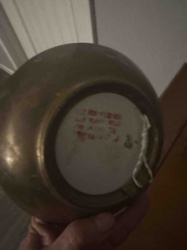
Submitted item photo
Submitted photo · June 6, 2026

User's notes

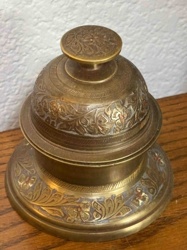
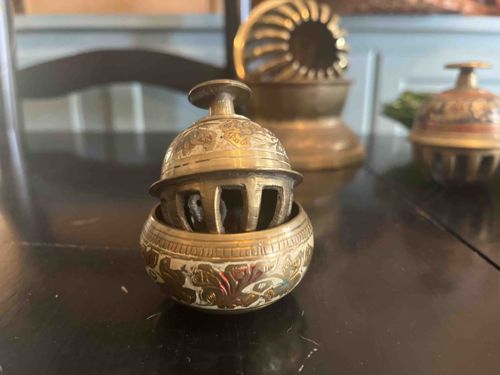
Smaller Elephant claw bell and base made in India

AI analysis below

AI appraisal

AI analysis & estimate

AI-Generated · Verify before acting

Everything below is generated by AI for informational purposes only. AI can make mistakes — the AI may misidentify items or misattribute them (artist, maker, brand, designer, origin, era). This is not an official valuation and should not be used for insurance, sale, tax, estate, legal, or lending purposes — or any decision requiring a certified appraisal. It is not an authoritative claim about any person, brand, or rights holder — do not share or rely on it as a factual statement about a third party. Always consult qualified professionals before making financial decisions.

Note

This analysis also relies on unverified notes provided by the user, which may be incomplete or inaccurate and could affect the result.

Read the full disclaimer

AI Identification

·Not independently authenticated·Verify before acting

Indian Brass Elephant Claw Bell with Decorative Base

Decorative Bell / Ornamental Object

AI Estimated Value

·Not an official valuation·Verify before acting

$40-$65

As of June 6, 2026

AI Item Analysis

·AI can make mistakes·Verify before acting
This item is a small, ornate elephant claw bell and its corresponding base, crafted from brass with intricate detailing. The bell itself, though partially obscured by the base, appears to be spherical or dome-shaped, with vertical slits or openings that allow sound to escape. A small, rounded knob or handle extends from the top of the bell. The brass material exhibits an aged, golden hue, suggesting a natural patina consistent with an older piece. Engraved or etched patterns adorn the upper portion of the bell, though their specific motifs are difficult to ascertain fully from the image. The bell rests within a cylindrical or bowl-shaped base, also made of brass. This base is lavishly decorated with what appears to be chiseled or embossed work. Prominently featured on the exterior of the base are stylized elephant motifs, confirming the 'elephant claw bell' description provided. These elephants are interspersed with floral or foliate designs, and there are hints of color, possibly enamel or painted details in red and green/blue, enhancing the brasswork. The craftsmanship suggests a handmade or at least partially hand-finished item, characteristic of traditional Indian artistry. The visible condition shows a well-preserved piece with a desirable patina, and no immediately apparent damage, cracks, or significant wear beyond what would be expected from age and handling. The overall quality appears to be good, with attention to detail in the decorative elements. Given the 'made in India' context, this piece likely dates from the late 19th to mid-20th century, consistent with the style and material commonly used in Indian decorative arts for export or domestic use. It combines both utilitarian (bell) and aesthetic (ornamental) functions.

AI Appraisal Report

·AI can make mistakes·Verify before acting
Based on my examination of the provided image and description, this Indian brass elephant claw bell with its decorative base presents as a good quality, traditional decorative object. The piece appears to be crafted from brass with an attractive, aged patina, consistent with items produced in the late 19th to mid-20th century. The decorative work, including the stylized elephant motifs and remnants of colored enamel on the base, is characteristic of Indian handicrafts from that era. The condition appears to be very good for its likely age, with no visible cracks or significant damage. The market for such decorative Indian metalware is generally stable, but values for individual items can be modest unless they possess exceptional artistry, significant age, or a specific provenance. While visually consistent with authentic period craftsmanship, it is crucial to note the limitations of an appraisal based solely on images. Similar, mass-produced decorative items from the later 20th century are common. A definitive authentication would require an in-person examination to assess the weight, material composition, tool marks, and construction techniques. Examining the patina under magnification and potentially conducting a metals analysis would help confirm its age and origin. Without such hands-on inspection or provenance, its value remains primarily as a decorative, vintage item rather than a verified antique.

Get your items appraised

Instant estimates of your treasures with AI-powered appraisals

Browse More Appraisals