AI Appraisal Estimate

AI-generated estimates · not official valuations

From the user

What was submitted

Photo and notes provided by the user — not generated by AI

Submitted item photo
Submitted photo · June 2, 2026

User's notes

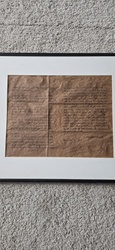
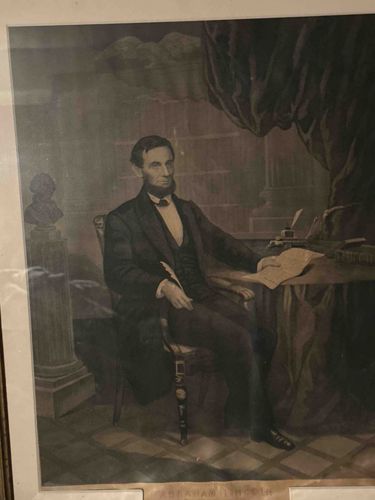
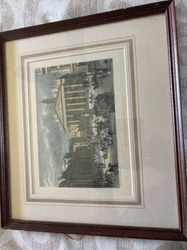
Authentic original engraving, 1864 Abraham Lincoln sign in the emancipation proclamation document

AI analysis below

AI appraisal

AI analysis & estimate

AI-Generated · Verify before acting

Everything below is generated by AI for informational purposes only. AI can make mistakes — the AI may misidentify items or misattribute them (artist, maker, brand, designer, origin, era). This is not an official valuation and should not be used for insurance, sale, tax, estate, legal, or lending purposes — or any decision requiring a certified appraisal. It is not an authoritative claim about any person, brand, or rights holder — do not share or rely on it as a factual statement about a third party. Always consult qualified professionals before making financial decisions.

Note

This analysis also relies on unverified notes provided by the user, which may be incomplete or inaccurate and could affect the result.

Read the full disclaimer

AI Identification

·Not independently authenticated·Verify before acting

Abraham Lincoln Signing the Emancipation Proclamation (Steel Engraving)

Antique Prints and Historical Memorabilia

AI Estimated Value

·Not an official valuation·Verify before acting

$600 - $850

As of June 2, 2026

AI Item Analysis

·AI can make mistakes·Verify before acting
This is a mid-19th-century steel-plate engraving depicting President Abraham Lincoln seated at his desk, symbolically signing the Emancipation Proclamation. This specific composition, popularized by artists like Francis Bicknell Carpenter and engravers such as Alexander Hay Ritchie, presents Lincoln in a formal black frock coat and waistcoat, holding a quill pen with the document resting on a circular table to his right. The background features classical elements including heavy drapery, a marble column with a bust, and an inkwell with additional pens, typical of Victorian-era commemorative portraiture. The piece is rendered in a monochromatic sepia or aged black ink on heavy paper. Evidence of its age is visible through the significant foxing (reddish-brown spots) and general yellowing of the paper stock. There is noticeable light reflection in the lower-left section of the image, suggesting it is currently housed behind glass. Fine cross-hatching and linework characteristic of steel engraving are visible in the soft tonal transitions of his face and the textures of the fabric. The lower margin contains the printed title 'ABRAHAM LINCOLN' in a stylized serif font. The printing process and subject matter indicate a production date around 1864, aimed at a public eager for heroic imagery of the President during the Civil War.
AI Appraisal Report

·AI can make mistakes·Verify before acting
I have examined the digital representation of this mid-19th-century steel engraving depicting President Abraham Lincoln signing the Emancipation Proclamation. Based on the stylistic execution, specifically the Alexander Hay Ritchie/Francis Bicknell Carpenter composition, the piece appears to be an authentic contemporary printing from circa 1864. The fine cross-hatching and tonal depth are consistent with high-quality steel-plate production of the Civil War era. The condition is a primary factor in this valuation; the visible foxing and significant oxidation (yellowing) of the paper indicate historical environmental exposure, which typically detracts from the value compared to a pristine example. However, the period-correct typography and the subject's immense historical gravity maintain a steady floor for market demand. Comparable prints in similar condition have recently sold within the $500 to $900 range at regional auction houses. While the visual indicators of age and technique suggest authenticity, I must note that this assessment is limited by the medium of photography. A definitive authentication would require an in-person examination to verify paper weight, watermarks, and ink-to-fiber integration. Furthermore, provenance documentation or a bill of sale from a recognized 19th-century print dealer would significantly bolster the appraisal accuracy. Currently, the item represents a significant piece of American political iconography with moderate wear.

Get your items appraised

Instant estimates of your treasures with AI-powered appraisals

Browse More Appraisals