AI Appraisal Estimate

AI-generated estimates · not official valuations

From the user

What was submitted

Photo and notes provided by the user — not generated by AI

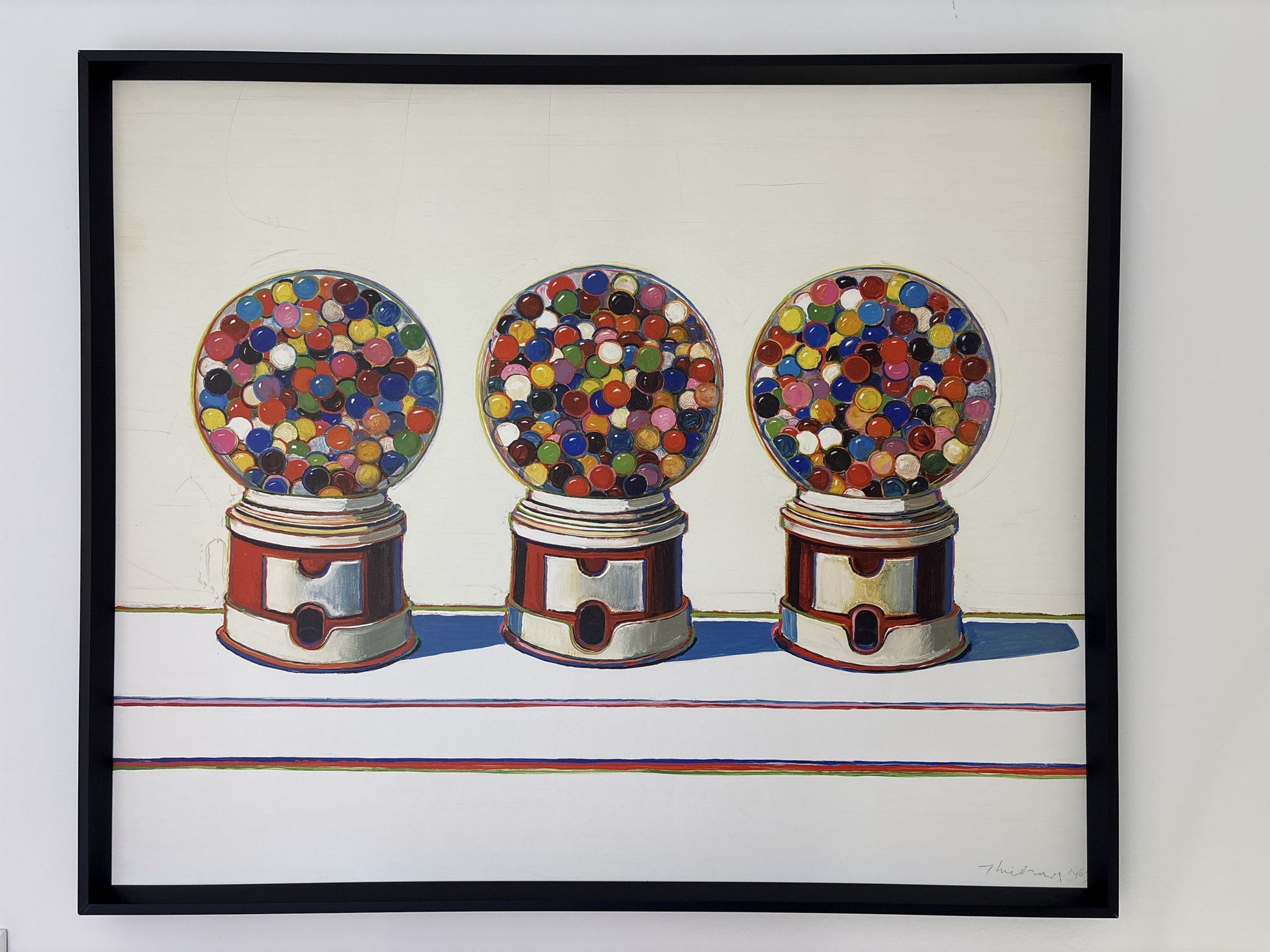
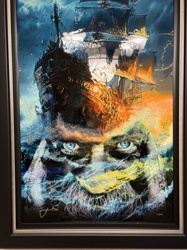
Submitted item photo
Submitted photo · June 20, 2026

User's notes

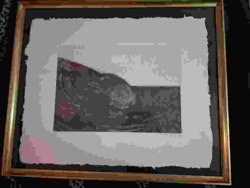
Three Gumball Machines by Wayne Thiebaud. 36x24

AI analysis below

AI appraisal

AI analysis & estimate

AI-Generated · Verify before acting

Everything below is generated by AI for informational purposes only. AI can make mistakes — the AI may misidentify items or misattribute them (artist, maker, brand, designer, origin, era). This is not an official valuation and should not be used for insurance, sale, tax, estate, legal, or lending purposes — or any decision requiring a certified appraisal. It is not an authoritative claim about any person, brand, or rights holder — do not share or rely on it as a factual statement about a third party. Always consult qualified professionals before making financial decisions.

Note

This analysis also relies on unverified notes provided by the user, which may be incomplete or inaccurate and could affect the result.

Read the full disclaimer

AI Identification

·Not independently authenticated·Verify before acting

Three Gumball Machines by Wayne Thiebaud

Fine Art - Contemporary Print

AI Estimated Value

·Not an official valuation·Verify before acting

$1,500 - $3,500

As of June 20, 2026

AI Item Analysis

·AI can make mistakes·Verify before acting
This artwork is a significant piece by the renowned American artist Wayne Thiebaud, likely a high-quality reproduction or print of his famous 1970 oil on canvas. The composition features three vintage gumball machines lined up horizontally against a stark, neutral background. Each machine is meticulously rendered with thick, impasto-like brushstrokes that suggest mass and texture, a hallmark of Thiebaud's pop art style. The color palette is vibrant, featuring a kaleidoscopic array of primary and secondary colors within the glass globes—reds, blues, yellows, oranges, and greens. A distinctive feature of this work is the use of 'halation,' where bands of complimentary colors (blues and oranges) line the edges of the objects, creating a shimmering, luminous effect. This 36x24 inch piece shows the machines casting long, sharp blue shadows to the right, grounded on a surface defined by horizontal stripes. The work is signed in the lower right corner, appearing as 'Thiebaud 1970'. The item is showcased in a modern black floater frame, which suggests contemporary presentation and preservation. The overall condition appears excellent with no visible foxing, fading, or physical abrasions to the print surface, maintaining the bold saturated contrast necessary for a Thiebaud work.
AI Appraisal Report

·AI can make mistakes·Verify before acting
Based on my visual examination of this 36x24 inch work, 'Three Gumball Machines' (1970), I interpret the piece as a high-fidelity lithograph or screenprint reproduction rather than the original oil on canvas, which resides in a museum collection. The composition exhibits Thiebaud’s signature pop-realism, characterized by meticulous impasto-style rendering and the successful execution of 'halation'—the chromatic vibration along the edges of the machines. The condition appears exemplary, with no evidence of light-fastness issues or peripheral foxing, and the modern floater frame suggests appropriate conservation standards. The market for Thiebaud’s prints remains robust; while original oils reach millions, high-quality limited editions or authorized estate prints command significant interest from contemporary collectors. The value is influenced by the impressive scale and the iconic nature of the subject matter. However, I must note a critical limitation: from a digital image, I cannot verify the substrate’s weight, the presence of an embossed publisher’s chop mark, or whether the signature is hand-applied in graphite or part of the printed matrix. A physical inspection is required to determine the exact printing method (e.g., offset lithography vs. original serigraph) and to verify if it is a numbered edition. Full authentication would necessitate a provenance trail from an established gallery and an inspection of the paper's watermark. If this is confirmed as a signed, limited-edition serigraph rather than a licensed reproduction, the value could appreciate significantly beyond this range.

Get your items appraised

Instant estimates of your treasures with AI-powered appraisals

Browse More Appraisals