AI identification & appraisal estimate

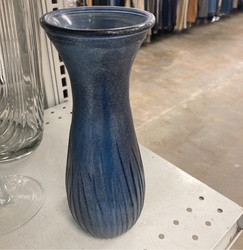
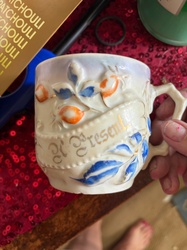
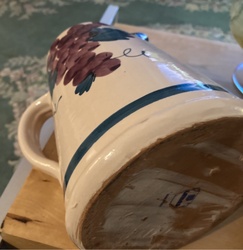
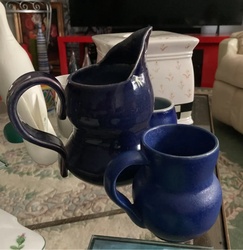
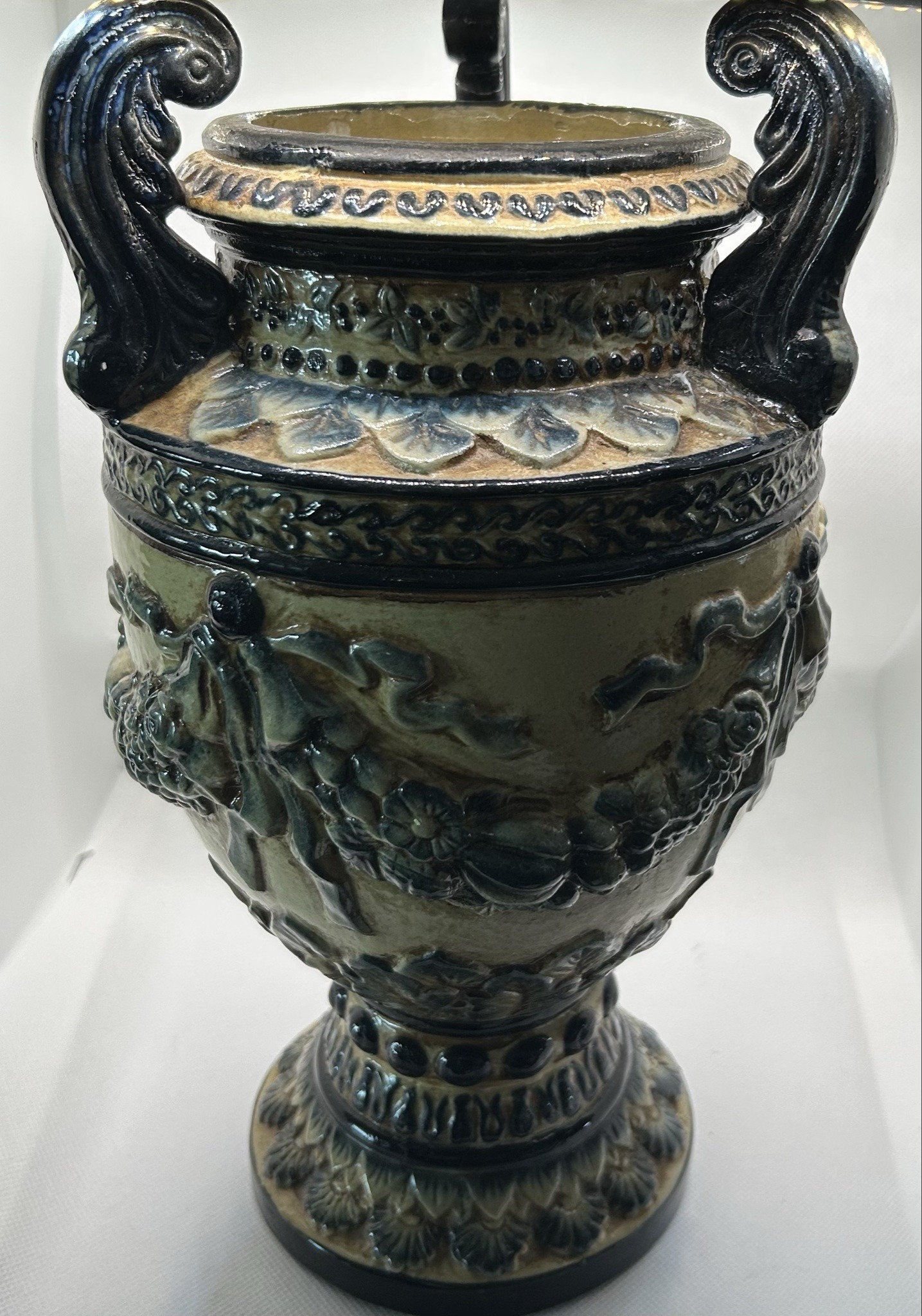
Glazed ceramic urn with handles

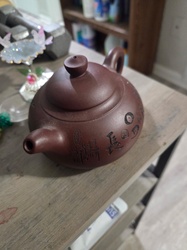
Submitted photo of Glazed ceramic urn with handles
Photo submitted by the user — not generated by AI

AI Estimated Value

Not an official valuation

$800-$1,200

AI estimate as of November 17, 2026 · verify with a professional before acting

AI-Generated · Verify before acting

Everything on this page is generated by AI for informational purposes only. AI can make mistakes — the AI may misidentify items or misattribute them (artist, maker, brand, designer, origin, era). This is not an official valuation and should not be used for insurance, sale, tax, estate, legal, or lending purposes — or any decision requiring a certified appraisal. It is not an authoritative claim about any person, brand, or rights holder — do not share or rely on it as a factual statement about a third party. Always consult qualified professionals before making financial decisions.

Read the full disclaimer

AI Item Analysis

This is a decorative two-handled ceramic urn featuring a classical amphora-inspired shape, complete with elaborate scroll handles and a footed base. The piece is finished with a complex salt-glaze or high-gloss pottery technique, exhibiting a muted color palette of dark cobalt blues, slate grays, and warm buff or tan earthenware undertones. The surface is heavily ornamented with molded, high-relief decorative elements including trailing floral swags, festoons, repeating bead and guilloche bands, and petal or leaf motifs around the neck and foot. The glazing pools thickly in the recesses, creating strong contrasts that emphasize the intricate relief work. There is no visible maker's mark or signature in the provided photograph, so the identification remains strictly visual and unverified. The stylistic elements are consistent with late 19th-century or early 20th-century European art pottery, perhaps drawing inspiration from Renaissance revival or neoclassical aesthetics. The craftsmanship displays a high level of detail in the molding and glaze application. Condition-wise, the visible surfaces appear generally intact with standard manufacturing glaze variations and pooling, but any structural flaws or base markings cannot be assessed without physical inspection.
AI Appraisal Report

Based on what I can see in the photograph, this decorative two-handled ceramic urn displays stylistic elements consistent with late 19th-century or early 20th-century European art pottery, drawing inspiration from neoclassical and Renaissance revival aesthetics. The piece features a classical amphora-inspired shape with elaborate scroll handles, a footed base, and high-relief molded decorative elements such as floral swags and guilloche bands, finished in a complex salt-glaze or high-gloss pottery technique with dark cobalt blues and slate grays. I can't verify the exact maker, period, or composition from a photo alone, as no maker's mark is visible. I would need physical inspection to confirm the clay body, glaze chemistry, and structural integrity. Assuming the working hypothesis that this is a period European art pottery piece with these specific design qualities, comparable items in the current decorative arts market typically sell in the $800-$1,200 range, supported by steady collector demand for revival-style ceramics. However, this valuation depends entirely on physical authentication. If the piece were to turn out to be a later reproduction, replica, or a generic decorative copy 'in the style of' rather than a period piece, the value would decrease significantly, likely falling into the $150-$300 range. To confirm authenticity and refine this estimate, an in-person examination by a ceramics specialist, careful inspection of the base markings, and potentially scientific testing or detailed provenance documentation would be required.

Keep exploring

More ceramics and pottery appraisals

Get your items appraised

Instant AI-powered appraisal estimates from a photo

Browse More Appraisals