AI Appraisal Estimate

AI-generated estimates · not official valuations

From the user

What was submitted

Photo and notes provided by the user — not generated by AI

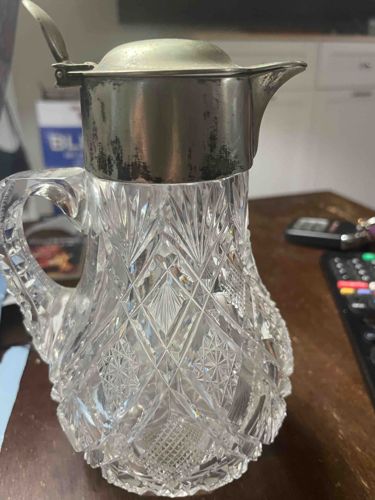
Submitted item photo
Submitted photo · June 1, 2026

User's notes

Crystal decanter pewter or silver top no discernible markings

AI analysis below

AI appraisal

AI analysis & estimate

AI-Generated · Verify before acting

Everything below is generated by AI for informational purposes only. AI can make mistakes — the AI may misidentify items or misattribute them (artist, maker, brand, designer, origin, era). This is not an official valuation and should not be used for insurance, sale, tax, estate, legal, or lending purposes — or any decision requiring a certified appraisal. It is not an authoritative claim about any person, brand, or rights holder — do not share or rely on it as a factual statement about a third party. Always consult qualified professionals before making financial decisions.

Note

This analysis also relies on unverified notes provided by the user, which may be incomplete or inaccurate and could affect the result.

Read the full disclaimer

AI Identification

·Not independently authenticated·Verify before acting

Cut Crystal Ewer/Pitcher with Hinged Metal Lid

Tableware/Beverageware

AI Estimated Value

·Not an official valuation·Verify before acting

$150-250

As of June 1, 2026

AI Item Analysis

·AI can make mistakes·Verify before acting
This item is a clear glass ewer or pitcher, likely of cut crystal due to the elaborate patterning, featuring a hinged metal lid. The body of the ewer is adorned with a complex geometric cut glass pattern, characteristic of the Brilliant Cut Glass era (late 19th to early 20th century). The pattern consists of repeating diamond shapes, hobstars (eight-pointed stars), fans, and cross-hatching, indicative of high-quality craftsmanship designed to maximize light refraction. The handle is integrated into the cut glass body with a less intricate but complementary parallel cut design. The metal lid, which appears to be pewter or a silver-plated base metal judging by the tarnished and somewhat greyish appearance, is hinged at the back and features a simple, slightly domed profile with a small spout at the front. The metal shows significant signs of wear, including heavy tarnish, pitting, and possible loss of plating, suggesting an older age and regular use or improper storage. The hinge mechanism is visible and appears functional, allowing the lid to be fully opened as shown in one of the images. There are no discernible maker's marks or signatures visible on either the glass or the metal components. The overall condition of the glass appears good with no obvious chips or cracks, although a detailed inspection would be needed to confirm. The metal top's condition, however, significantly detracts from its aesthetic appeal and indicates its age or material type. The piece functions as a decorative and utilitarian item, likely for serving beverages such as water, wine, or syrup.
AI Appraisal Report

·AI can make mistakes·Verify before acting
I have examined the provided images and details for this Cut Crystal Ewer/Pitcher with a hinged metal lid. The glass body exhibits a fine 'Brilliant Cut Glass' pattern, indicative of late 19th to early 20th-century American or European craftsmanship. The intricate hobstars, diamond patterns, and fanning suggest high quality. The glass appears to be in good condition, with no obvious chips or cracks visible in the images; however, a thorough physical inspection is crucial to confirm this. The metal lid, likely pewter or heavily plated base metal, shows significant tarnish, pitting, and possible plating loss. This condition detracts from the overall aesthetic but is consistent with age and material. The hinged mechanism seems functional. Authenticity: Based on the cutting style, the glass appears to be period-correct Brilliant Cut Glass. Establishing the exact origin or maker without signatures is challenging. The metal lid's condition points to genuine age. Market Conditions and Comparables: Similar Brilliant Cut Glass ewers with intact, good condition metal components (especially sterling silver) command higher prices. Items with damaged or heavily tarnished non-precious metal tops typically see reduced demand. The market for general Brilliant Cut Glass is stable but not experiencing rapid appreciation; condition and rarity of pattern/maker are key drivers. Demand and Rarity: While Brilliant Cut Glass is not rare, high-quality, elaborate patterns like this maintain a collector base. The primary detractor here is the condition of the metal lid. Had the metal been sterling silver and in better condition, or if a known maker's mark were present, the value would be significantly higher. Limitations: Without a direct physical inspection, I cannot confirm the absence of subtle chips, cracks, or repairs on the glass. The exact material composition of the lid (pewter vs. plated brass/nickel) would require close examination or testing. The absence of maker's marks limits precise attribution. Provenance, if available, could add value and historical context. Factors impacting value: The intricate glass cutting is a strong positive. The poor condition of the metal lid is a significant negative factor, reducing decorative appeal and overall value. The lack of discernible maker's marks also limits the top-end valuation.

Get your items appraised

Instant estimates of your treasures with AI-powered appraisals

Browse More Appraisals